PRP Treatment for Hair loss: Does it really work? The Complete Guide
Your hair's getting thinner.
You see more hair in the shower.
And those empty spaces are becoming... army.
Recognizable? You're not alone.
Hair loss is frustrating. Emotionally. And sometimes even painful for your confidence.
But there's hope.
Platelet-Rich Plasma (PRP) treatments are in the spotlight as potential game changer for hair growth. But does it really work? And is it worth your time and money?
This video from Doctor Pearce gives you the advantages and disadvantages of PRP for hair loss.
What does PRP do to your hair? The Basic Mechanism 💉
First, the simple part.
PRP is using your own blood to revive your hair. Sound sci-fi? Maybe. But science is fascinating.
This is how it works:
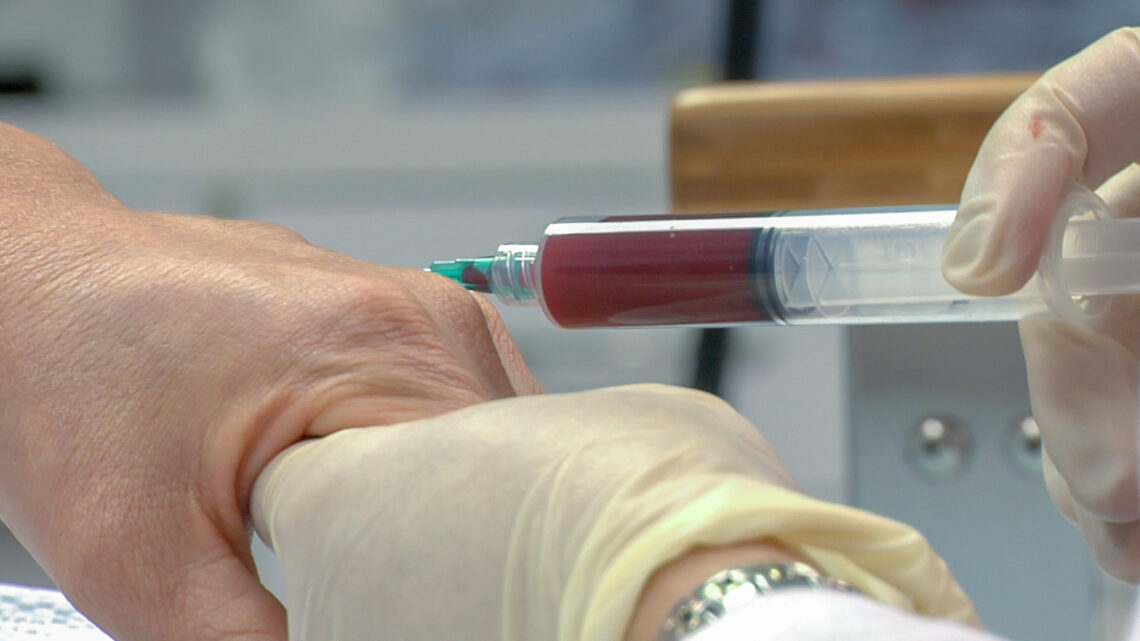
- Take a small amount of blood (as with a standard blood test)
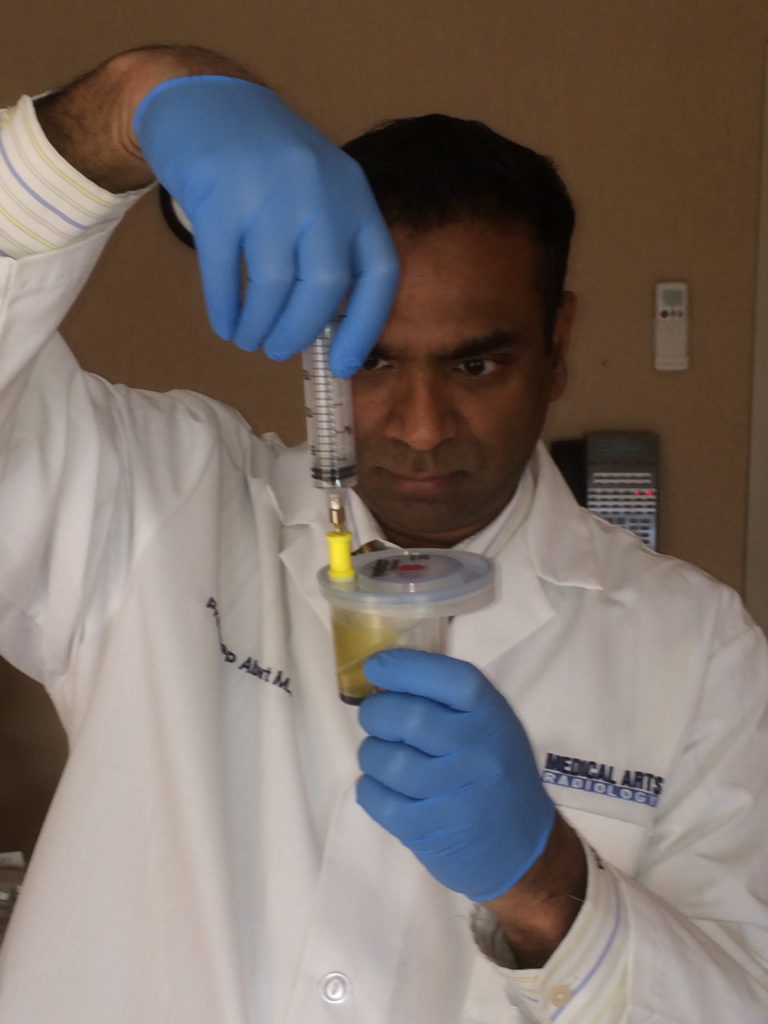
- centrifugate the blood to concentrate the platelets
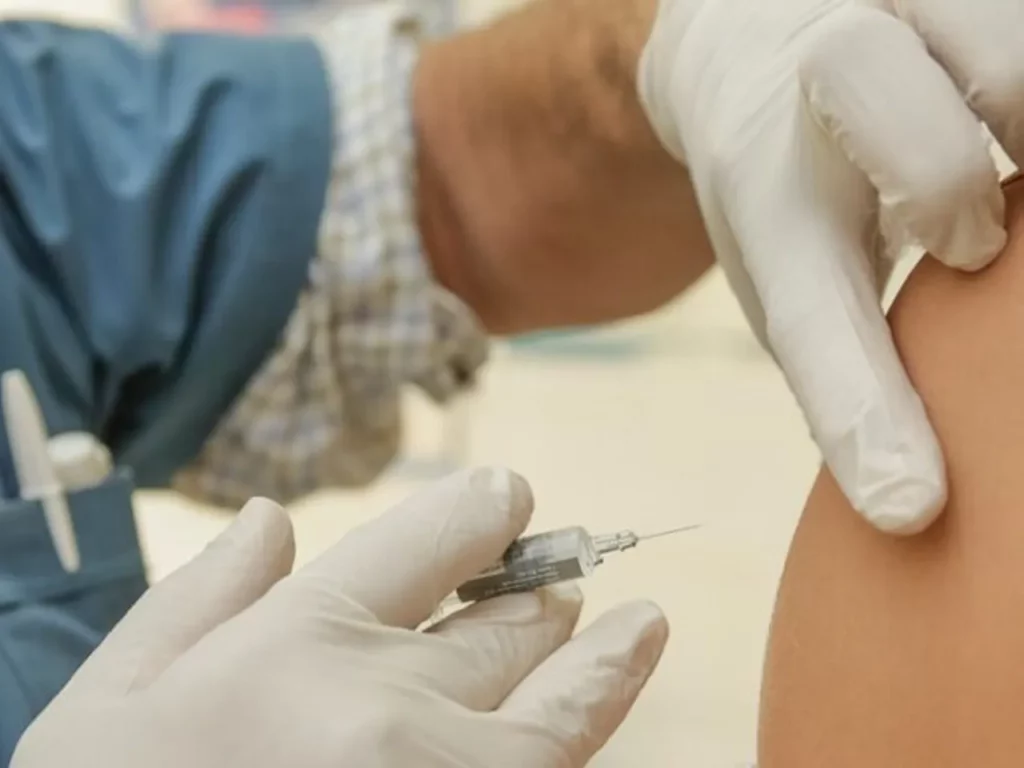
- Inject this concentrated cocktail into your scalp
- The growth factors in your platelets activate sleeping hair follicles
Why it works: Those platelets are full of growth factors. Your body normally uses these for wound healing. At PRP? They stimulate your hair follicles to act.
Think of your hair bags as sleeping employees. PRP is the espresso she shakes up.
PRP Treatment Hair Experiences: What Do Users Say? 👨🦲👩🦲
3-4 sessions recommended
Let's face it, clinical studies are one thing, but real experiences tell the true story.
Mark (43): "After 4 sessions of PRP, I started to see new hair growth in places that had been bald for years. Not spectacular, but definitely visible. My friends noticed the difference."
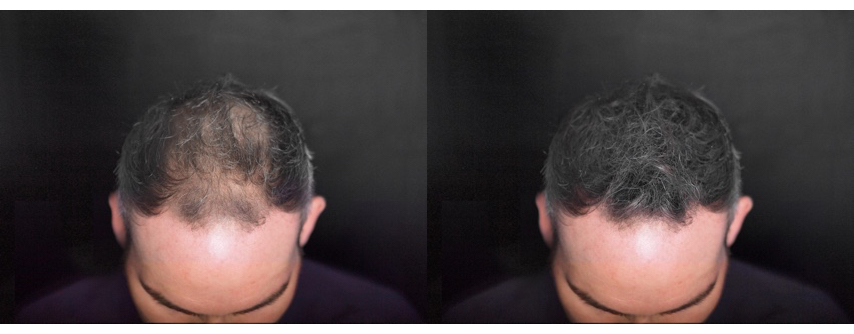
Sophie (38): "The first month I thought it didn't work. Was even disappointed. But around month three? My hair got thicker, fuller. Now after 6 months I use less hair styling products because my hair has natural volume."
Ahmed (51): "PRP didn't work as well as I hoped. Saw some minimal improvement, but not enough for the investment. Everyone reacts differently, I think."
Reality? Results vary. Strong.
Some see impressive transformations, others modest improvements. And yes, it doesn't work significantly enough for some.
Important to know: Your results depend on:
- The cause of your hair loss
- How long you've had hair loss
- Quality of the PRP procedure
- Your general health
- Genetic factors
There is no magic. Neither is PRP. But for the right candidate? It could be life-changing.
PRP Treatment Hair Price: The Investment 💰
Let's talk about money.
PRP isn't cheap. But what exactly does it cost?
In the Netherlands the price for a single PRP session is usually between €200-€500 per session.
But here comes the important part: One session is almost never enough.
Most doctors recommend:
- 3-6 initial treatments (1x per month)
- Thereafter, maintenance treatment every 6-12 months
Total investment year 1: About €1000-€2500
Is it expensive? Is it worth the investment? That depends on how important your hair is to you and what results you get.
Pro tip: Many clinics offer package deals. Always ask for discounts for multiple treatments.
PRP Treatment Hair For Women: Does it work differently? 👩🦰
Female hair loss is different from male baldness. Commonly diffuser, less ossified spots.
Good news: studies show that PRP can be particularly effective in women.
Why PRP often works well for women:
- Female hair loss is often hormonal or stress-related
- These hair follicles are often not "dead," but "sleeping"
- PRP can reactivate these sleeping bags
- Diffius hair loss often reacts better than specific baldness
Isabella (35): "After my pregnancy, my hair became terrifyingly thin. PRP not only brought my hair back, but it's even thicker than before my pregnancy."
A bonus? PRP is a major advantage for women who are concerned about hormonal treatments.
PRP Treatment Hair Before and After: Realistic Expectations 📸
Instagram is full of impressive before/after photos. But what's realistic?
What to expect:
After 1-3 months:
- Reduced hair loss
- Maybe even increased hair loss (shedding phase is a good sign!)
- Little visible improvement
After 3-6 months:
- New, fine hairs begin to grow
- Existing hair gets thicker
- Significant improvement in hair density
After 6-12 months:
- Significant improvement in hair density
- More Volume
- Healthier-looking hair
Important: Most people only see truly impressive results after 6+ months and multiple treatments. Patience is essential.
What Are The Disadvantages Of A PRP Treatment? ⚠️
Nothing's perfect. Neither is PRP.
Let's discuss the cons honestly:
1. Temporary discomfort
- The procedure can be painful (think of several small shots)
- Your scalp may feel sensitive 1-2 days
- Possible mild swelling or redness
2. "Shedding phase"
- Some experienced increased hair loss after first treatments
- This is normal and temporary, but can be stressful
- Usually lasts 2-4 weeks
3. Variable results
- Not everyone reacts equally
- Some see spectacular improvement, others minimal effect
- Hard to predict in advance who will respond well
4. Time investment
- Multiple sessions required
- Results not immediately visible
- Regular maintenance treatments for permanent effect
5. Costs
- Significant financial investment
- Usually not reimbursed by insurance
Who should avoid PRP:
- People with blood coagulation disorders
- Persons using blood thinners
- Pregnant or breast-feeding women
- People with active scalp infections
What's better? PRP or XL Hair? 🤔
A frequently asked question.
XL Hair (or similar products) are usually external treatments with minoxidil or similar ingredients.
Let's compare:
PRP:
- Uses your own platelets
- Works from the inside
- Treates the cause (stimulates hair follicles)
- More expensive, more invasive
- Long-term results with maintenance treatments
XL Hair/Minoxidil:
- External treatment
- More accessible and cheaper
- Daily use required
- Results disappear on discontinuation
- Doesn't work on any type of hair loss
The truth? It's not a situation or a situation.
Many experts recommend a combination of deep stimulation, daily maintenance products. They reinforce each other.
Dr. Visser (hair transplant specialist): "I see the best results in patients who combine PRP with daily minoxidil. PRP puts the hair follicles to work, minoxidil feeds them daily."
How Quick Result PRP Hair? .️
We live in a world of instant gratification. But your hair grows at its own pace.
Here's the realistic timeline:
1-2 weeks: Possible less hair loss during showering
1-3 months: The shedding phase can begin (yes, temporary more hair loss . . . that is normal)
3-4 months: First signs of new hair growth
6 months: Clearly visible improvement in hair density
9-12 months: Maximum results after multiple treatments
Crucial insight: Hair cycles last for months. PRP can wake hair follicles, but they need time to produce new hair.
Patience is not optional. It's required.
PRP Hair loss: Which Types Does The Best Work for? 🔍
Not all hair loss is the same. And PRP doesn't work equally well for all types.
Most effective for:
1. Androgenetic alopecia (male/female pattern hair loss)
- The most common form of hair loss
- Gradual dunning in specific patterns
- PRP efficacy: High
2. Alopecia areata
- Autoimmune disorders
- PRP efficacy: Moderate to high
3. Traction alopecia (hair loss due to stress/traction)
- Caused by tight hairstyles, extensions
- PRP efficacy: High, especially in early stages
Less effective for:
1. Cicatric alopecia
- Hair follicles have been replaced by scar tissue
- PRP efficacy: Low
2. Very prolonged/advanced hair loss
- When hair follicles have become completely inactive
- PRP efficacy: Low
The bottom line is this: The sooner you start, the better the results.
5 Tips To Get The Maximum From Your PRP Treatment 🌟
Do you want optimal results? Follow these tips:
1. Choose the right clinic
- Examine the physician/clinic thoroughly
- Ask for before/after photos of their own patients
- Check reviews and certifications
2. Preparation is crucial
- Stop 1 week before treatment with blood thinners (if safe)
- Avoid alcohol 3 days before treatment
- Hydrate well the day before
3. Combine treatments
- Use minoxidil between treatments
- Consider food supplements (biotin, zinc)
- Use mild, sulphate-free hair products
4. Aftercare after PRP
- Avoid intense physical activity 24-48 hours after treatment
- Do not wash her for 24 hours after treatment
- Avoid direct sunlight on the scalp for several days
5. Stay consistent
- Follow the recommended regimen
- Complete the full recommended treatment cycle
- Plan maintenance treatments on time
Game-changer tip: Take pictures! Take a picture of your hair every month under consistent light. Daily changes are subtle, but monthly photos show the real progress.
Conclusion: Is PRP the trouble worthy of your hair loss? 🤷♂️
After everything we've discussed, it comes down to this question: Is PRP worth it to you?
The honest answer: It depends on your particular situation.
PRP is not a miracle cure. But for the right candidate, with realistic expectations and patience, it can be an effective solution.
Consider PRP as:
- You are in the early to medium stages of hair loss
- You are willing to invest in multiple treatments
- You can wait patiently for results
- You have tried other treatments (minoxidil, finasteride)
- You look for a natural solution without hormones
Maybe not for you if:
- Expecting quick, dramatic results
- You have a limited budget
- You're in very advanced stages of hair loss
- You have medical conditions that would counter PRP.
Hair loss is personal. Your treatment choice should be, too.
My advice? Consults an experienced specialist. Discuss your specific situation. Ask questions. And then make an informed decision.
Because in the end, it's not just about your hair. It's about how you feel when you look in the mirror.
What about that feeling? That's priceless.
Do you have experience with PRP treatments for hair loss? Share your story in the comments below. Your experience can help others to decide.
Disclaimer: This article is for informative purposes only and is not medical advice. Always consult a qualified medical professional before starting a new treatment.


You might like this too.

Did Tom Hanks have a hair transplant?

Can you still have children after using Finasteride?