

Hair loss During Menopause: What You Must Know & What Real Works
You look in the mirror and see thinning hair, more scalp than before, and you wonder: "Is this my new normal?"
No. It doesn't have to be.
In this blog I dive deep into what happens to your hair during the menopause, why it happens, and . . . the most important thing that happens to you real can be worn.
No empty promises. No miracle cures. Only practical, proven strategies that can help you keep her (and even improve her).
Ready to tackle your hair loss? Let's get started.
First of all, this video of Dr Taz MD The relationship between menopause and hair loss is very good.
Menopause & Hair loss: The Hard Facts
Here's the reality: more than 40% of women experience hair loss during menopause.
Not exactly reassuring, is it?
You're not alone, and this is totally normal. But "normal" doesn't mean you have to accept it.
During menopause something crucial happens:
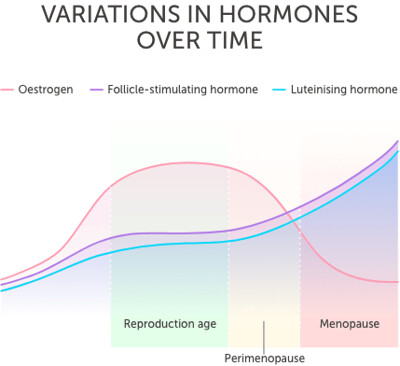
- .️ Your estrogen levels are dropping dramatically.
- Gallus domesticus️ Your androgen levels (male hormones) get relatively more influence
- 🔄 This hormonal shift weakens your hair follicles
The result? Dunner, brittle hair that goes out easier.
That Shock At Awakening
Do you know that moment?
You wake up, walk to the bathroom, and see your pillow covered in loose hair. Or look at the shower drain and startle the amount of hair you lost.
These are the moments when the reality of menopausal hair loss comes in hard.
But wait a minute... is it really as bad as it looks?

The Psychological Impact: More Than "Hair Only"
For women, she is often linked to identity, femininity and self-confidence.
When that starts to change, it feels like part of yourself is slowly disappearing.
Studies show that hair loss in women can lead to:
- 😔 Reduced confidence
- 🙅♀️ Social isolation
- 😰 Fear in personal and professional situations
Recognizable? You're not crazy or shallow. These feelings are fully justified.
How Long Does Hair Loss During Transition?
One of the most frequently asked questions is: "Is this temporary?"
The honest answer: It depends on your approach.
Without intervention hair loss due to menopause can persist for years and even worsen. But with the right approach, the process can be delayed, stopped or sometimes even reversed.
The key lies in early recognition of the symptoms:
- 💇♀️ Noticeably thinner hair, especially on the crown
- 💧 Dry, dull and fragile hair
- 🧹 More hair in your brush or shower well
- 👩🦲 In some cases: visible bare spots
The Scientific Explanation: Why is this happening?
Let's unpack biology.
Hair growth continues three phases:
- Anagenic phase (growth) . . . . .
- Catagenic phase (transition) hampered by 2-3 weeks
- Telogenic phase (rest)
Hormones affect how long your hair stays at every stage.
During menopause:
- .️ The anagenic phase is getting shorter
- 🔄 More hair follicles go at the same time in the lingering phase
- 🔍 New hairs grow thinner and weaker
This explains why you're not only falling out, but also feeling different and looking.
Vitamin deficiency & Hair loss: The Hidden Link
Did you know that hair loss during menopause is often aggravated by vitamin deficiency?
Your body changes, and so does your nutritional needs. Here are the crucial vitamins you're screaming for:
Biotin: Your Hair Dear Friend
Biotin (vitamin B7) strengthens your hair shaft and stimulates growth.
Practical tip: Eat eggs, nuts or avocado biscuits daily for a natural biotin-boost.
Warning: Supplements with more than 5000 mcg offer no additional benefits and may interfere with blood test results.
Vitamin D: The Unexpected Hero
Studies show that vitamin D deficiency is directly related to worsening hair loss.
Practical tip: 15-30 minutes of sunlight a day can do wonders. During dark winter months? Consider a supplement.
Optimum dose: 1000-2000 IU a day, but first get your blood count checked.
Iron: Oxygen carrier
Iron deficiency is a silent saboteur of healthy hair. Without enough iron, your hair bags won't get enough oxygen.
Practical tip: Combine vegetable iron sources (spinazie, lentils) with vitamin C for better absorption.
Did you know that? Menopausal women often need less iron than before, but deficits still occur, especially among vegetarians.
Zinc & Selenium: The Forgotten Minerals
These minerals play a crucial role in cell growth and repair of hair follicles.
Food sources:
- Zinc: Oysters, pumpkin seeds, beef
- Selenium: Brazil nuts (only 2-3 per day!), tuna, chicken
Slap, thin hair Through the Transition? This Is Actually Working
Now let's get practical. What can you do about that weak, thin hair?
1. Hormone therapy: The Great Option
Hormone replacement therapy (HRT) can prevent hair loss by restoring your oestrogen levels.
But pay attention: HRT is not suitable for everyone. Always discuss the advantages and disadvantages with your doctor.
Laura's story: "After six months of HRT I noticed not only that my hot flashes disappeared, but also that my hair became fuller again. The brittleness disappeared and I saw new hair growth along my hairline."
2. Minoxidil: The Proven Solution
Minoxidil (known from brands like Rogaine) is scientifically proven effective in female hair loss.
How it works: It enlarges your hair follicles and prolongs the growth phase of your hair.
Results: Visible after 3-6 months of consistent use.
Important to know:
- ⚠️ The first weeks you can experience more hair loss (this is normal!)
- 🔄 You got to keep using it for lasting results.
- 💰 The 5% solution works better than 2% but costs more
3. The Right Shampoo: More Than Cleaning
Your shammooky can make a big difference. Search for:
- 🔍 Ketoconazole (anti-DHT action)
- ☕ Caffeine (stimulates blood flow to the scalp)
- 🌿 Saw palm etto (natural DHT blocker)
ProTip: You wash her less often. Every day wash stretches your scalp from natural oils that protect your hair.
Best Approach: Use a special shampoo 2-3 times a week, and alternate with a mild, sulphate-free shampoo for the other days.
4. Anti-DHT Products: The Testosterone Tamers
DHT (dihydrotestosterone) is a powerful hormone that can reduce hair follicles.
During menopause, the relative influence of DHT increases because your oestrogen levels decrease.
Effective DHT blockers:
- 🌴 Saw palmetto extract (in supplements and topical products)
- 🌿 Rosemary and tea tree oil (as scalp treatment)
- 🔬 Finasteride (only on prescription and not suitable for everyone)
Warning: Finasteride has not been approved for women of childbearing potential due to risks associated with pregnancy.
Laser therapy: Science fiction or Reality?
Laser combs and helmets sound futuristic, but do they actually work?
The short answer: Yes, for some, yes..
FDA-approved home-use laser devices stimulate the mitochondria in your hair follicles, which can lead to:
- ⚡ Increased energy production
- 🔄 Accelerated cell regeneration
- 🌱 Stronger, thicker hair follicles
The investment is substantial (€200-600), but for those who want to avoid medication, this can be a valuable option.
Expectation management: Studies show modest but real results • think of 10-25% improvement in hair density after 6 months.
Elizabeth's experience: "I was skeptical about my LaserComb, but after 4 months of daily use I saw new, fine hairs along my divorce. They were hardly visible at first, but after a year the difference was clearly noticeable."
The Role of Inflammation: Hidden Problem
What many people don't know: chronic inflammation can worsen hair loss.
During menopause, inflammation is often increased due to hormonal changes.
Anti-inflammatory strategies:
- 🍎 Anti-inflammatory diet (many vegetables, fruits, omega-3, turmeric)
- 🧖♀️ Head massage with essential oils (lavender, rosemary)
- 💊 Omega-3 supplements (1000-2000mg EPA/DHA daily)
Avoid these anti-inflammatory agents:
- 🚫 Excessive sugar intake
- 🚫 Processed food
- 🚫 Too little sleep
Stress control: The Underrated Factor
Here's something missing a lot of blogs about hair loss: stress worsens hormonal hair loss dramatically.
During menopause, your body is already under stress due to hormonal fluctuations. Add daily stress to that, and you create the perfect storm for hair loss.
Effective stress reduction need not be complicated:
- 🧘♀️ 10 minutes daily meditation
- 🚶♀️ Regular outdoor movement
- 😴 Giving priority to sleep quality
The science behind it: Chronic stress increases cortisol levels, which directly affects your hair cycle and pushes more hair to the telogene (rest) phase.
Maria's story: "After a particularly stressful period at work, I noticed dramatic hair loss. My doctor explained that this was hindered by my menopausal hormones. Six months after implementing a strict stress management plan, my hair started to grow back to normal."
Nutrition for Healthy Hair: Eat Your Way to Fuller Hair
Your diet directly affects your hair health. During menopause these nutrients become even more important:
Omega-3 fatty acids
Anti-inflammatory and essential for healthy scalp. Sources: Fat fish, linseed, walnuts
Antioxidants
Protect hair bags from damage by free radicals. Sources: Berries, dark chocolate, green tea
Proteins
Hair consists mainly of keratin, a protein. Sources: Eggs, legumes, skimmed milk
Practical advice: Try the DASH diet or Mediterran diet . Both are proven beneficial to hormonal balance.
The Collagen Question
Collagen is a popular supplement to hair health, but does it actually work?
Science: Evidence is mixed, but some studies show improvements in hair quality during daily use (10 g hydrolysis collagen).
Important note: Oral collagen probably has more effect than shampoos or collagen conditioners, as the molecule is too large to really be absorbed by the scalp.
Styling techniques: Maximum Volume, Minimum Damage
Let's be practical: while working on long-term solutions, you want to look good now.
These styling techniques can help:
1. Volume Boosters without Damage
- Use mousse on damp hair at the roots
- Hair dryer with head upside down for natural volume
- Try hairpieces or topper hairpieces for direct volume
2. Avoid harmful habits
- 🔥 Limit heat styling to 1-2 times per week
- 🛑 Stop with tight hairstyles pulling your hair
- ✂️ Choose shorter hair that seems to have more volume
3. The right products
Choose sulphate-free, moisturizing formulas especially for fine hair.
4. Volume techniques of professionals
Root lifting: Ask your hairdresser for special cutting techniques that create volume at the roots.
Lowlights and highlights: Strategic color placement can create the illusion of thicker hair.
Dry shampoo trick: Use dry shampoo preventively (before your hair becomes greasy) for extra volume and texture.
Sophia's styling tip: "As hairdresser with menopausal thin hair, I discovered that velcro rollers are the best volume medium. Use them for 15 minutes while doing your makeup for natural, damage-free volume."
Sleep habits: The Nightly Hair Rescue Action
Your sleeping habits can make a surprisingly big difference to your hair health:
Silk Pillow Walk
Cotton causes friction that damages and breaks her. Silk lets you slide her smoothly, with less pulling and breaking.
Bonus: Less wrinkles in your face as an added advantage!
Loose Hair Style
Tight tails or knots at night may pull on your hairline and worsen hair loss.
Try this: A loose braid or loose hair on a silk pillowcase.
Night food
Consider a lightweight hair oil or leave-in conditioner before going to bed.
Best for menopausal hair: Argan-, jojoba- or almond-oil .
Medical Treatments: When Additional Help Is Required
Sometimes professional help is needed. Consider these options if home treatments are not sufficient:
Blood tests
Have your iron, thyroid function and hormone levels checked.
Ask for what tests?:
- Complete blood count
- Ferritin (iron storage)
- TSH, T3, T4 (thyroid function)
- Vitamin D
- Hormone profile including DHEA, testosterone, oestrogen
PRP treatments
Platelet-Rich Plasma therapy uses your own platelets to stimulate hair growth.
Costs: €250-500 per session Results: Visible after 3-6 months Frequency: 3-4 treatments with 4-6 weeks apart, then maintenance treatments
Dr. Lisa's insight: "As a dermatologist, I consistently see better results with PRP in women than in men. It works particularly well for menopausal hair loss when combined with home treatments such as minoxidil."
Microneedling
Tiny needles that slightly damage the scalp to stimulate natural healing and hair growth.
Why it works: Stimulates collagen production and improves uptake of topical treatments by 500%.
DIY or professional? Professional treatments are deeper and more effective, but home rollers can also help when used with caution.
Hair transplantation
For advanced hair loss a transplant can be the best option.
Modern techniques: Minimum invasive with natural results
Follicular Unit Extraction (FUE): Individual hair follicles are harvested and transplanted, with minimal scarring.
Important consideration: Hair transplantation works best in combination with treatments that protect existing hair, such as minoxidil or hormone therapy.
Alternative Treatments: What Does Really Work?
There are numerous alternative treatments on the market. Which ones are worth it?
Herbal therapies
Proven options:
- Saw Palmetto: Natural DHT Blocker
- Ginseng: Improves blood circulation to the scalp
- Rosemary: Studies show similar results with 2% minoxidil
Anecdotal but unproven:
- Horsetail: Rich in silica
- Hey Shou Wu: Traditional Chinese herb for hair
Acupuncture
Some studies suggest that acupuncture can stimulate hair growth by improving blood flow to the scalp.
Time investment: Usually 8-12 weekly sessions for visible results
Joanne's experience: "After 10 weekly acupuncture sessions I saw fine new hairs along my hairline. It also helped with my other menopause symptoms such as hot flushes."
The Mental Aspect: You're More Than Your Hair
Let's face it, hair loss hits your self-image. Hard.
Studies show that women are more psychologically affected by hair loss than men.
Some thoughts to support your mental well-being:
- 🌟 Experiment with new hairstyles that flatter your current hair
- 👑 Consider temporary solutions such as haircuts or scarves
- 💪 Focus on what your body can do, not just on changes
Important: If you notice hair loss leading to depressed feelings, talk to a professional. Your mental health is at least as important as your physical health.
Groups of aid & Communities
You're not alone. Consider becoming a member of:
- Online forums for women with hair loss
- Menopause Support Groups
- Social media groups focused on body positivity during menopause
Haircuts & Wigs: The Modern Options
The world of hair complements has evolved. Forget what you thought you knew about wigs!
Topper Haircuts
Small haircuts that only cover the crown area are perfect for menopausal stunning.
Benefits:
- Less warm than full wigs
- Mixing with your own hair for a natural look
- Available in human hair or high quality synthetic options
Price range: €200-800 depending on quality and material
Micro-Link Extensions
Small sections of human hair are connected to your own hair without glue or heat.
Best for: Women with thinning hair but still enough own hair to attach extensions.
Duration: 2-3 months before reconfirmation is required
Modern Wigs
Forget the stiff, unnatural wigs of the past:
Lacefront wigs: Create a natural hairline Top: Looks like a natural scalp Heat-resistant synthetic options: Can be styled like real hair
Insider tip: Consider buying a wig before you lose significant hair, so your hairdresser can match it to your natural hairstyle and color.
The Role of Darmen & Hair: The Surprising Connection
New studies indicate a strong link between bowel health and hair quality.
How it works: Your intestinal microbiome affects inflammation levels, nutrient uptake and hormonal balance .
Darm problems causing hair loss:
- Leaking bowel (intestinal permeability)
- Dysbiosis (unbalance in gut bacteria)
- Chronic bowel inflammation
Strategies for better bowel health:
- 🥄 Daily probiotics (yoghurt, kefir or supplements)
- 🌈 Prebiotic foods (fibre-rich vegetables, onions, garlic)
- 🧂 Reduce processed foods and added sugars
Dr. Marias note: "In my practice, I have seen that women with severe menopausal hair loss often benefit from a bowel health protocol alongside conventional hair loss treatments."
Future Treatments: What's coming?
Science doesn't stand still. Here are some promising developments:
JAK inhibitors
Originally developed for autoimmune diseases, these drugs show promising results in hair growth.
Status: Currently in clinical trials, possibly available in the coming years.
Stamceltherapie
Regenerative medicine using your own stem cells to rejuvenate hair follicles.
Status: Early clinical studies show promising results.
Exosomes Treatments
Cell communication particles that can stimulate hair growth.
Status: Initial studies show potential, but more research is needed.
Your Personal Hair Action Plan: Where to start?
Overwhelmed by all the information? Here's your step-by-step plan:
1. Diagnosis (Week 1-2)
- . Visit your doctor for blood tests
- 📝 Start a hair diary: note changes, failure, factors
- 📸 Create hindered photos for comparison later
2. Basic treatments (Month 1-3)
- 💊 Start with the right food supplements based on blood results
- 🧴 Start minoxidil treatment (after consultation with doctor)
- 🍎 Implement anti-inflammatory diet
3. Lifestyle Adjustments (Continuous)
- 💆♀️ Improve your hair routine and styling
- 🧘♀️ Implement stress management
- 😴 Optimize sleep habits
4. Advanced Options (Month 3-6)
- 👩⚕️ Consider HRT or other medical options
- 🔬 Study PRP or laser therapy
- 👑 Explore temporary solutions like haircuts
5. Evaluation & Adaptation (Month 6+)
- 📊 Review progress with photos and diary
- 🔄 Adjust what does not work
- 🎯 Focus on successful strategies
Key to success: Perseverance! Hair growth takes at least 3-6 months for visible changes.
Real Stories, Real Results
Annemarie, 53
"After a year of intense hair loss, I almost saw my scalp through my hair. My approach: minoxidil 5% evenings, iron and vitamin D supplements based on blood tests, and a silk pillowcase. After 8 months my hair wasn't like it used to be, but the fallout stopped and I saw new baby hairs everywhere. It gave me back my trust."
Patricia, 58
"HRT was a game-changer to me not only for my hair, but for all my menopause symptoms. I combined it with PRP treatments (3 sessions over 6 months) and saw dramatic improvements. My tip: be patient and consistent. The hair I lost in one year needed more than a year to grow back."
Lisbeth, 51
"As a woman with a medical background, I tried to do everything scientifically. What worked for me: minoxidil 5% foam daily, ketoconazole shampoo 2x a week, laser hair comb 3x a week, and a Mediterranean diet. After 4 months I saw the first results. After a year my hair density had increased by about 30%."
Conclusion: Your Strategy for Voller, Healthy Hair
Hair loss during menopause is complex, but not insurmountable. Your approach must be versatile:
- Internal: Hormone balance, nutrition, stress reduction
- External: The right hair products, gentle styling
- Medical: If necessary, discuss options with professionals
Above all, be patient. Hair grows about 1 cm per month hampered results come, but not overnight.
And remember, you're so much more than your hair. Treat yourself to the same compassion that would give you a good friend during this challenging but overflowing phase.
FAQ
Can stress cause hair loss during menopause alone?
Absolutely. Stress increases cortisol, which directly affects your hair cycle. During menopause, when your hormonal balance is already disturbed, stress can have an even greater impact on hair loss.
How do I know if my hair loss is due to menopause or to any other cause?
Menopausal hair loss is usually gradual and spread throughout the scalp, with emphasis on the crown and separation. Sudden or spotted hair loss, or loss in other body parts, usually indicates other causes and requires medical advice.
Does hair that was lost during menopause ever grow back?
Yes, in most cases. As long as the hair follicles are not completely destroyed (which rarely happens in hormonal hair loss), recovery is possible with appropriate treatment.
Is natural gray related to thinner hair during menopause?
They are separate processes, but they often happen at the same time. Grey hairs are usually thicker and stiffer, which can sometimes give the illusion of more volume despite general dilution.
Can I paint my hair during menopausal hair loss?
Yes, but choose ammonia-free, non-permanent colors. Consider highlights or lowlights instead of all-in-one coloring. Soft colour techniques give more dimension and the illusion of volume.
Professional tip: Allow at least 6-8 weeks between color treatments to minimise damage.
Does the texture of my hair change permanently after menopause?
Reality? Yeah, mostly.
Hormonal changes affect:
- 🌀 Curl pattern (stick hair can become wavy, curls can become tighter)
- 💧 Tag production (dry hair is common)
- 📏 Thickness of individual hair strand
But you got options!
Sara (55): "My once thick, steep hair became thin and wavy. I embraced the new texture with lightweight products and shorter length. Now I get more compliments than ever!"
The Power of Peptiden: The New Frontier
Peptides are the new stars in hair growth therapy.
What are they? Short chains of amino acids triggering specific cell signaling.
How they work for her:
- 🔬 Stimulate hair follicles in rest phase
- 🔄 Extending the growth phase
- 🛡️ Protect from stress and damage
Popular peptides for hair:
- Copper peptides
- Octapeptide-2
- Biotinoyl tripeptide-1
Where to find: Look for these in serums and treatments applied directly to the scalp.
Skin care: The Forgotten Foundation
Here's a game changer: healthy hair starts with a healthy scalp.
During menopause:
- .️ Tag production is falling
- Gallus domesticus️ Sensitivity is increasing
- 🦠 Microbiome changes
Your 3-step scalp routine:
- Weekly Peeling Removes dead skin cells and product buildup. Try: Mild chemical exfoliants with lactic acid or salicylic acid.
- Daily Hydration Head oils or serums with hyaluronic acid keep your scalp healthy.
- Skin massage 2-3 minutes daily stimulates blood circulation and hair growth. Bonus: Use silicone massage brush in the shower.
Haircare products Decode: What works?
The shelves are full of "wonder products." Let's pierce marketing.
Shampoos for Thinner Becoming Hair
What works: Ingredients such as ketoconazole, piroctone olamine, caffeine
What to avoid: Sulphates, silicones, parabens
Reality Check: Shampoo stays short on your scalp, so don't expect miracles of shampoo alone.
Conditioners for Menopauzal Hair
Search for: Lightweight formulas with keratin, panthenol, and vegetable proteins
Application tip: Apply only to lengths and tips, not to scalp.
Serums & Leave-ins
Ingredients that work:
- Peptides
- Stem cell extracts
- Niacinamide (strengthens the scalp barrier)
The truth: These stay longer on your scalp, so invest in quality here.
Hormone free Strategies: If HRT is No Option
Not everyone can use HRT. Don't worry, there are alternatives:
Phytoestrogens Strategy
Vegetable compounds with weak estrogenic effects.
Sources:
- linseed (2 tablespoons a day)
- Soya products (fermented are the best)
- Red clover tea
Clinical Note: Effect is milder than HRT but may help with menopausal symptoms including hair changes.
Adaptogenic Herbs
Help the body deal with hormonal stress.
Options for her:
- Ashwagandha (stabilized cortisol)
- Maca (balances hormones)
- Ginseng (improved circulation)
Dosage: Follow product pack, usually 2-3 months of consistent use required for result.
Seasonal Hair loss: The Menopause-Multiplier
Did you know seasonal hair loss during menopause could be more intense?
Most people lose more hair in:
- 🍂 Autumn (most common)
- 🌱 Early spring (secondary peak)
Why this is happening: Evolutionary triggers related to daylight changes.
Menopauseal impact: Hormonal fluctuations make you more sensitive to these natural cycles.
Proactive strategy: Start treatment 1-2 months before your usual seasonal breakdown.
Thyroid problems: The Great Imitator
Here's a crucial insight: thyroid problems can cause almost identical hair loss as menopause.
The complication: Thyroid problems are more common in women around the menopause age.
Symptoms that overlap:
- Fatigue
- Weight changes
- Haaruitval
- Dry skin
Essential tests:
- TSH (Thyroid Stimulating Hormone)
- Free T3 and T4
- Thyroid antibodies
Jane's warning: "Artsen said my hair loss was just menopause. A year later, a new doctor discovered Hashimoto. Within three months on thyroid medication my hair loss stopped!"
Ingredients: Watch out!
During menopause, your scalp becomes more sensitive. These ingredients may cause irritation and further hair loss:
Avoid hair care:
- 🚫 Alcohol (drying)
- 🚫 Synthetic fragrances
- 🚫 Ethoxylated ingredients (such as SLS)
- 🚫 Polypropylene glycol (in many styling products)
Exception: Cosmetic alcohol in serums with active ingredients is sometimes necessary for penetration.
Better Faster: Minoxidil Hacks for Vlottere Results
Minoxidil works, but it takes a long time. These strategies can help:
1. Microneedling Boost
Use a 0.5mm dermaroller once a week before minoxidil.
Scientific evidence: Studies show 4x better results than minoxidil alone.
2. Retinoid Pre-Treatment
Retinoids improve minoxidil uptake.
How to use: Apply a thin layer of retinol serum, wait 20 minutes, then apply minoxidil.
3. The Caffeine-Effect
Caffeine enhances minoxidil due to DHT blocking properties.
Pro tip: Rinse her once a week with strong green tea before applying minoxidil.
Acid balance: The pH Factor
Your scalp has a natural pH of 4.5-5.5 (light acid).
During menopause:
- Hormonal changes can disturb your pH
- Alkalic products weaken the hair shaft
pH-Balancing Strategies:
- Use acid toners (apple cider vinegar diluted 1:4 with water)
- Check that your products are pH balanced
- Rinse acid (1 tbsp lemon juice in 2 cups of water) each month
Chemical treatments alert: Colors and permanents are extra harmful to menopauzal hair. If you use them, invest in pH recovery treatments afterwards.
The Future of Your Hair: Long-term strategy
Menopausal hair loss isn't a sprint. It's a marathon.
Year 1: Focus on stopping hair loss and strengthening existing hair.
Year 2: Stimulate new hair growth through treatment combinations.
Year 3+: Maintenance and prevention of future dunning.
The golden rule: Consistency wins. The treatment you're holding on to will work better than the one you use sometimes.
Your Invitation to Action
Hair loss may feel like something that happens to you, but you have more control than you think.
Start today:
- Make that doctor's appointment for blood tests.
- Evaluate your hair routine with the tips from this blog
- Choose one nutrition strategy to implement this week
Remember: Each hair growth begins with a single healthy hair follicle. Take good care of them.
Share your story: Do you have any experience with hair loss during menopause? What worked for you? Share your tips below in the comments!
A Last Encouragement
Change is constant. Your hair changes. Your hormones are changing. But one thing remains true: your power to adapt and thrive.
You're not your hair, but your hair is part of your journey.
Treat it with care. Treat yourself with compassion.
And remember, for every challenge that menopause brings, wisdom, self-knowledge and the chance to redefine life on your own terms.


You might like this too.

Does Red Clover Extract work as a natural remedy against Hair loss?

The huge benefits of Teunisflower oil for hair growth!


