

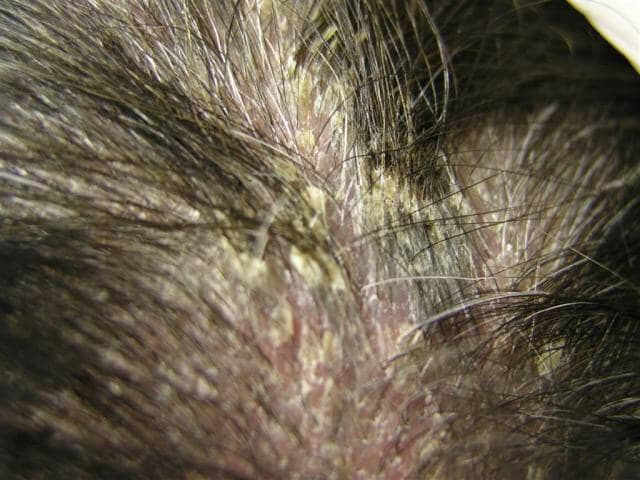
Does excess sebum production cause hair loss? And how do you get rid of it?
The truth about sebum: From fatty scalp to healthy hair
You know the feeling.
That irritating shine on your scalp that makes even just washed hair feel greasy within a day. That itch that never seems to disappear. And the worst? The fear that this greasy substance will slowly but surely cost you your hair.
Let's get to the root of the problem.
This video of hairguard explains how to remove excess sebum to prevent hair loss.
What is sebum anyway? Friend or foe?
Tag. An oily substance that your body produces to protect your skin and hair.
But here is the problem: what is meant to be protection can turn against you when your body produces too much.
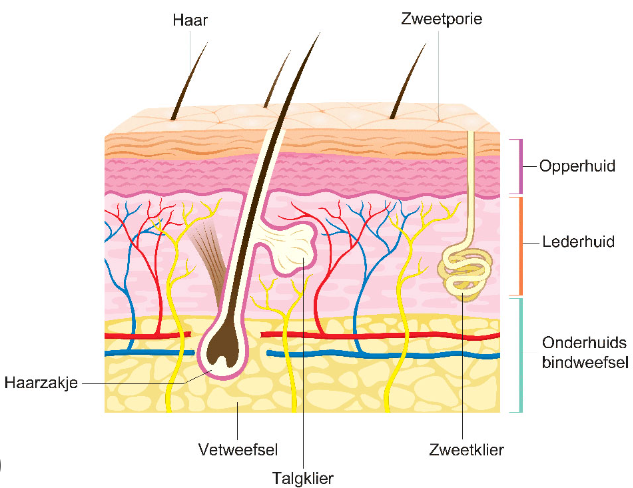
These microscopic sebum glands are all over your body, but especially on your scalp. They are connected to your hair follicles and bring out the oily substance through the pores. That sebum mixes with sweat and other natural oils, which ultimately ensures that well-known greasy layer.
Healthy balance = healthy hair.
Not enough sebum? Dry, brittle hair. Too much sebum? Fat scalp, itching, and possible hair loss.
The fat truth: What tallow does to your hair
Talg has an important function to protect your hair from dehydration. Without sufficient natural oils your hair would become fragile and dull.
But as with everything in life, it's all about balance.
When your scalp produces too much sebum, the misery begins:
- Your hair sticks to your head
- Styling becomes a nightmare
- You need to wash more and more
- Your scalp is starting to itch.
And that is just the beginning of the problems.
That greasy layer is a perfect breeding ground for microorganisms that normally live in small amounts on your scalp. When these become unbalanced, inflammation, irritations and possibly even hair loss follow.
🧠
Discover your personal approach to a fat scalp in 60 seconds
According to your answers, you have a strong overactive sebum production that negatively affects your scalp and possibly even your hair quality.
Nutritional adjustments with the greatest impact on sebum production:
- Eliminate: Dairy products (30 days)
- Reduce: Processed carbohydrates by 80%
- Increase: Omega-3 fatty acids (fat fish 2x per week)
- Daily: 2 cups of green tea
- Add: Zinc-rich feed (pumpkin seeds, oysters)
Many people already see significant improvement within 14 days after eliminating dairy!
According to your answers, you have moderately increased sebum production. With the right approach, you can quickly get this under control.
Nutritional adjustments for your situation:
- Reduce: Dairy products by 50%
- Limit: Sugar-rich diet and white carbohydrates
- Increase: Fruit and vegetables with antioxidants
- Hydration: Minimum 2L water per day
- Consider: Vitamin B6 supplement (50-100mg/day)
Good news! Your sebum production is only slightly increased and with a few simple adjustments you will soon see results.
Light nutritional adjustments for optimal results:
- Increase: Water intake to 2-3L per day
- Add: Green tea (1-2 cups daily)
- Reduce: Refined sugars
- Focus on: Food rich in zinc and B vitamins
Does sebum cause hair loss? The uncomfortable truth
Hair loss experts have discovered something remarkable: men with hair loss often have a more greasy scalp than others.
Research even shows that their sebaceous glands are often larger than those without hair loss.
Does this mean that sebum is the direct culprit?
Not quite.
Excessive sebum production is probably more of a side effect than a cause. Here's what happens:
- The excess sebum hides your hair follicles
- This creates a perfect climate for fungi and bacteria
- Inflammation that inhibits your hair growth
- Your hair follicles get less nutrition
But there's something more crucial:
If you are struggling with a greasy scalp, your hair loss treatments such as Minoxidil and Ketoconazole are simply not properly absorbed.
It's like trying to water a plant while there's a layer of plastic over the earth. It just isn't where it's supposed to be.
Tag scalp itching: More than just annoying
That constant itch? Not only annoying, but also harmful.
When sebum accumulates on your scalp, an ideal environment arises for a yeast called Malassezia. This one feeds on your sebum and causes:
- Intense itching
- Redness
- Pink
- Inflammation
The constant scratching further damages your hair follicles and can even lead to infections.
A vicious circle that needs to be broken.
The connection between rose and excess sebum
Rose and a greasy scalp often go hand in hand, but why?
Those flakes you see on your shoulders are not simply a matter of dry scalp. On the contrary, dandruff is often caused by an overactive reaction to too much sebum.
The Malassezia yeast, which normally lives in small amounts on everyone's scalp, literally feast on your excess sebum. And the result? An accelerated cell renewal of your scalp, leading to those visible white flakes.
And you know what the worst part is? Those flakes hide your hair follicles even more, which prolongs the cycle of sebum, itching and irritation.
TALG HOOFDHUID BESTRIJDEN
- Green tea (2 cups/day)
- Omega-3 fatty acids (fat fish)
- Sea salt scrub (1x per week)
- Lumpy water when washed
- Wash 2-3x per week
- Zinc-rich food
- 2-3L water per day
- Dairy products (milk, cheese)
- Sugar-rich diet
- White bread & pasta
- Hot water when washing
- Silicones in its products
- Washing hair daily
- Excessive caffeine
| Food | Effect | Why? |
|---|---|---|
| Dairy 🧀 | Increases sebum | Hormones in milk activate sebum glands |
| Sugar 🍦 | Increases sebum | Increases insulin, triggers hormone production |
| White carbohydrates 🍞 | Increases sebum | High glycaemic response, inflammatory |
| Fat fish 🐟 | Reduces sebum | Omega-3 |
| Green tea | Reduces sebum | Polyphenols regulate hormones |
| Pumpkin seeds 🌱 | Reduces sebum | Block zinc and phytosterols DHT |
What to do against excessive sebum production in the scalp?
Enough with the trouble. Let's look at solutions.
1. Revolution your diet
Your skin is a mirror of what you eat. Two major culprits in excess of sebum production:
Processed dairy products Milk, cheese and yogurt contain hormones that can increase your sebum production. Test for 30 days without dairy and observe the difference.
High-glycemic index foods White bread, white pasta, biscuits and other processed carbohydrates cause insulin spikes that stimulate sebum production.
Replace with:
- Whole grain alternatives
- Lots of fruit and vegetables
- Healthy fats (avocado, nuts, olive oil)
- Sufficient water (2-3 litres per day)
Foods that can reduce sebum:
- Omega-3 fatty acids (fat fish, linseed)
- Zinc-rich feed (pumpkin seeds, oysters)
- Antioxidants (berries, dark chocolate)
- Turmeric (inflammatory)
- Green tea (regulating hormone levels)
Many people notice a difference within 2-3 weeks when they adjust their diet!
2. Stop washing daily
Sounds contradictory, right?
The more you wash your hair, the more sebum your scalp produces. It's a natural reaction: You remove your scalp from its natural oils, so it's going to overcompensate.
The ideal washing frequency? 2-3 times a week.
Give your scalp a chance to find its natural balance.
The transitional period shall: Please note, your scalp will temporarily become fatter when you start washing less frequently. This is normal! Your sebum glands have gotten used to overproduction. Give it 3-4 weeks to adjust.
Tip for the interval: Wear your hair differently (patter, knot) or use dry shampoo (to measure) to get through the transition period.
3. Fat scalp shampoo: Choose wisely
That cheap drug store shampoo? Full of aggressive sulphates that dry out your scalp and increase sebum production.
Invest in quality:
- Find sulphate-free formulas
- Choose ingredients such as tea tree oil, salicylic acid or ketoconazole
- Avoid silicone that gives your hair a false feeling of softness but suffocate your scalp
Top choices for a fatty scalp:
- Ketoconazole shampoo (available as a prescription or as a lower dose)
- Shampoos with salicylic acid
- Natural shampoos with tea tree oil
Ingredients to look for:
- Salicylic acid (exfoliates and decreases sebum production)
- Tea tree oil (natural antimicrobial)
- Zinc pyrithione (anti-fungal)
- Ketoconazole (powerful anti-yeast activity)
Ingredients to avoid:
- Sodium lauril sulphate (SLS)
- Silicone (dimethicone, cyclomethicone)
- Mineral oils
- Synthetic fragrances
The right washing technique also makes a difference:
- Focus on your scalp, not your hair
- Gently massage with your fingertips (not your nails!)
- Take your time (2-3 minutes for thorough cleaning)
- Rinse exceptionally well (rest shampoo are a great culprit)
4. Grandma knows what to do. Sea salt scrub
Sometimes the oldest remedies work best.
Scrubbing your scalp once a week with fine sea salt can do wonders:
- Take a handful of fine sea salt
- Gently massage it into your wet scalp
- Let it take a few minutes
- Rinse thoroughly
This simple treatment:
- Removes dead skin cells
- Eliminates excess sebum
- Improves blood circulation
- Creates a clean basis for hair growth agents
Important: Use only fine sea salt, no coarse grains that can damage your scalp!
An improved sea salt mix: For an even more effective treatment you can mix the sea salt with:
- A teaspoon of honey (antibacterial)
- Some drops of tea tree oil
- A teaspoon of apple vinegar (restores pH balance)
5. The power of clay masks for your scalp
A secret weapon that few people know: clay masks for your scalp.
Bentonite or green clay has an incredible ability to absorb excess oils and attract toxic substances.
DIY scalp clay mask:
- 2 tablespoons bentonite clay
- Enough apple vinegar to form a pasta
- 3 drops tea tree oil
Apply to your scalp (not your hair), move in for 15 minutes, and rinse thoroughly.
Using this depth mask once every 2 weeks can be a game changer for your sebum production.
How do you reduce sebum production from her? The long term approach
For lasting results, consistency is crucial.
Stress management
Stress increases the production of the hormone cortisol, which directly increases your sebum production.
Daily stress reduction by:
- 10 minutes meditation
- Regular exercise
- Sufficient sleep (7-8 hours)
- Respiratory exercises
Cortisol and tallow: A strong connection
Studies show that chronic stress can increase sebum production by up to 30%! Your body goes into a kind of "survival mode" where it thinks to protect you by producing more protective oils.
The truth is that modern stress (deadlines, traffic jams, social media) requires a completely different response to the flight-of-fight situations for which our body is designed.
Find daily time to consciously lower your stress level:
- A short walk in nature
- 5 minutes deep breathing
- A warm bath with magnesium flakes
- Yoga or stretching before bedtime
These simple habits can have a profound effect on your hormonal balance.
Supplements that help
Some natural supplements can support your hormonal balance:
- Zinc (reminds DHT, hormone that increases sebum production)
- Vitamin B6 (helps to regulate hormones)
- Saw palmetto (natural DHT blocker)
- MSM (sulphuric compound that reduces inflammation)
- Omega-3 fatty acids (inflammatory)
The correct dosage makes the difference:
- Zinc: 15-30 mg daily
- Vitamin B6: 50-100 mg daily
- Saw palmetto: 320 mg daily
- MSM: 1000-3000 mg daily
Always consult a doctor before using supplements.
The hidden link: Hormonal balance
In many people with excessive sebum production, an increased DHT level plays a role. This hormone, a more powerful version of testosterone, stimulates your sebum glands and reduces your hair follicles.
For some, treatment with finasteride (on prescription) can provide a solution:
- Reduces the conversion of testosterone to DHT
- Reduces sebum production
- Reduces hair loss
But pay attention: This medicine is not suitable for everyone and has possible side effects. Always consult a doctor.
For women: Hormonal imbalances may manifest differently, but have similar effects on sebum production:
- Polycystic ovarian syndrome (PCOS)
- Overactive adrenal cortex
- Schildklierproblemen
If you also experience irregular cycles, acne or weight changes in addition to a greasy scalp, consider a hormone test with your doctor.
The biological link between food and sebum on your scalp
Let's take a dip in science.
Your liver plays a crucial role in processing hormones, especially androgens like DHT. When your liver is overloaded (by alcohol, processed food, medicines), this can lead to hormonal imbalance.
Connect the dots:
- Overburdened liver → Poor hormone processing More free DHT → More sebum production
The solution? Liver support diet:
- Bitter vegetables (rucola, witloof)
- Cruise-flowered vegetables (broccoli, cauliflower)
- Citrus fruit (mainly grapefruit)
- Turmeric and ginger
- Less alcohol and processed food
A cleansing effect on your liver is often directly visible on your scalp within a few weeks.
The ultimate scalp routine against sebum and hair loss
Combine all the above insights into an effective routine:
Daily:
- Healthy nutrition, rich in antioxidants
- Sufficient water
- Stress management
- Protect your scalp from UV radiation (hat or SPF)
- Avoid heat and chemical treatments where possible
2-3 times a week:
- Washing with a quality shampoo for greasy scalp
- Possible use of hair growth agents after thorough cleaning
- A fast scalp massage to promote circulation (30 seconds is enough!)
Weekly:
- Sea salt scrub
- Deep-cleaning scalp clay mask
- Hair oil-free day (leave your hair completely alone)
Monthly:
- Evaluation of your progress
- Customize routine where necessary
- A deeper detox treatment (such as an apple-cider vinegar rinse)
- Check your diet and adjust where necessary
Seasonal adaptations:
- Summer: more exfoliation, lighter products
- Winter: moisturizing treatments, protection against dry heating air
Tag and medication: What works when natural methods are not enough
Sometimes you need more than lifestyle changes. In that case, there are several medical options:
Topical treatments:
- Minoxidil (also stimulates hair growth)
- Azelaic acid (regulating sebum production)
- Retinol (normalizes cell renewal)
- Niacinamide (vitamin B3, regulates sebum production)
Oral medication:
- Finasteride/Dutasteride (DHT blockers)
- Spironolactone (for women, anti-androgen)
- Iso likewise (in extreme cases, last resort)
These options require medical supervision and are not suitable for everyone.
When to seek medical attention?
If you have persistent problems, don't hesitate to seek professional help. Consult a dermatologist when:
- Extreme itching persists
- You see redness or inflammation
- Your significant hair loss is experiencing
- Your routine doesn't improve after 3 months
- Your scalp feels painful
- You notice unusual flakes, bumps or wounds
A dermatologist may prescribe specialized treatments such as:
- Stronger anti-fungal medication
- Hormone regulators
- Anti-inflammatory agents
- Corticosteroids (for severe inflammation)
- Biologicals (for certain head disorders)
What to expect from your dermatologist:
- A thorough history
- Visual examination of your scalp
- Possible scalp biopsy in unclear diagnosis
- Uncommon blood tests to exclude hormonal or other causes
The psychological impact of a fatty scalp
Let's be honest. Overactive sebum production has not only physical, but also emotional consequences.
Many people with a greasy scalp experience:
- Reduced confidence
- Social fear
- Constant concern about how others perceive them
- Reduction in hairstyles and hairstyle choices
- Stress about possible hair loss
This is not a small problem! The psychological impact can significantly affect your quality of life.
Mental health tips:
- Recognize your feelings; They're completely normal.
- Find a reliable dermatologist you understand
- Set achievable goals (improving, not perfection)
- Be open to trusted friends/family
- Consider a support group (online or offline)
Myths and facts about sebum on your scalp
Myth 1: "A greasy scalp means you're unhygienic." Fact: Excessive sebum production has nothing to do with hygiene, but with hormones and genetics.
Myth 2: "You got to wash your hair every day with a greasy scalp." Fact: Daily washing stimulates more sebum production. 2-3 times a week is ideal.
Myth 3: "Droog shampoo solves the problem." Fact: Dry shampoo absorbs temporarily excess oil, but does not solve the underlying cause and may cause blockages during excessive use.
Myth 4: "Sun is good for a greasy scalp." Fact: Short-term sun exposure can temporarily reduce symptoms, but can increase sebum production in the long term and damage your scalp.
Myth 5: "Once you have a greasy scalp, there's nothing to do about it." Fact: With the right approach, you can significantly normalize sebum production and achieve a healthy balance.
Conclusion: Balance is the key
Talg is not inherently bad. It's an essential part of your natural protection system.
The art is finding balance.
With the right approach you can:
- Normalize your sebum production
- Itching and irritation reduction
- Create a healthy basis for hair growth
- Restore your confidence
Remember: Consistency always wins. Results do not come overnight, but with patience and the right routine you can definitely control that greasy scalp.
And that shiny, full hair you dream of? That starts with a healthy scalp.
Personal experiences with combating excessive sebum
"Years I struggled with an extremely greasy scalp. After two days without washing it seemed as if I had baptized my hair in oil. My big break? The drastic reduction of dairy and sugar in my diet. Within a month I only had to wash my hair twice a week instead of daily. Sometimes it's the simplest changes that make the biggest difference." Thomas, 34
"As a hairdresser, I see daily customers struggling with excessive sebum production. My most important advice? Invest in good products and be patient. The cheapest options seem attractive, but ultimately cost you more because you get bigger problems. And yes, that expensive salon shampoo really makes a difference." . Linda, 41, professional hairdresser
"My dermatologist discovered that my greasy scalp was actually a symptom of hormonal imbalance. After addressing that underlying problem, my sebum production normalized. Sometimes you got to look deeper than just the symptoms." . Sophie, 29
These personal stories underline an important point: what works for you can be for someone else. Experiment, observe, and don't give up.
Disclaimer: This article contains general information and is not a substitute for professional medical advice. In case of health problems, always consult a doctor or dermatologist.
My Routine
Curious about my personal routine against hair loss? An overview:
- Pumpkin seed oil: Twice a week for a natural boost. Try it. here.
- Dermapen: Essential for my scalp care and research has shown that it doubles the action of minoxidil. 1x per week 20 min. Available here.
- Minoxidil: Only agent that can accelerate and double hair growth.
Daily support for hair growth. At least once every day. Find it here. - Finasteride: The only proven remedy that works against the main cause of hair loss is DHT. Supports in the fight against thinning hair. 0.5mg a day. More info on doctoronline.com.
- Haircatcher: Keep track of how much hair you lose. You use this to see if the bahndelingen have any effect. Take a look here.
- Pill Splitter: For easy intake and doubling your Finasteride supply. This allows you to split 1 to 5mg pills, to save money. Available here.
- Ketoconazole shampoo: For a healthy scalp. 3x a week at the shower. Try it. here.
Always consult your doctor before trying new products!


7 reactions
Pingback:
Pingback:
Pingback:
Pingback:
Pingback:
Pingback:
Pingback: