De kracht van Spironolacton: Een veelbelovende behandeling voor haaruitval?
You're in the mirror again. Same routine as every morning. You look at your hair, try to stylize it differently, hope it looks thicker than yesterday. I get it. I've been there.
Today we're going to talk about spironolactone, a medicine you've probably never heard of, but that might be the game changer you're looking for. Spoiler alert: It's not a miracle pill, but it can work.
Honestly About My Experience
Before I go on, let me be honest. I'm not a doctor. What I am is someone who has dived deep into the world of hair loss over the past few years because they had to. I've tried everything from expensive shampoos to experimental treatments. Spironolactone didn't show up until late, and afterwards I wanted to know what I know now.
The frustrating thing about hair loss is that everyone thinks they got the answer. You get advice from your hairdresser, your aunt, random people on the Internet. Few people really tell you the truth. So I will.
What is Spironolactone actually?
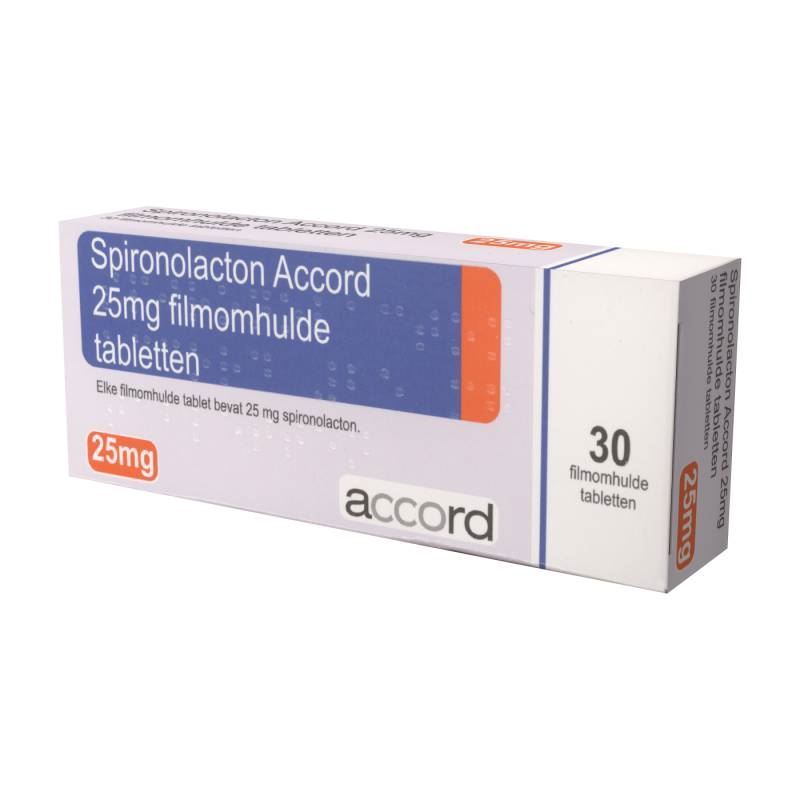
Okay, here it gets a little technical, but I'm trying to keep it simple. Spironolactone is actually a blood pressure medicine. Yeah, you read it right. It was used in the 1960s to help people with high blood pressure and heart problems.
But doctors noticed something strange. Female patients taking this medicine sometimes experienced irregular menstruation. And some... well, their hair got thicker.
That happened because spironolactone has anti-androgenic properties. In ordinary human language: it blocks male hormones. And those male hormones, especially DHT . . are the culprits in hair loss.
SPironolacton Predictions & PROGRESS TRACKER
Follow your trip and know what to expect every month 📈
- Baseline photos made of all angles
- Blood tests have been performed ( potassium, kidneys, hormones)
- Contraception regulated (if applicable)
- Dose discussed with physician
- Hair loss tracker app downloaded
- Daily drug taken at fixed time
- Adverse reactions kept in diary
- Enough water to drink (not too much by diuretic effect)
- Potassium rich food limited (bananas, avocados)
- Hair loss counted when washing (normal decrease should be noticed)
- Blood pressure monitored (may be lower)
- Consistently maintained
- Possible dose adjustment discussed with physician
- 3-month monitoring of blood tests performed
- Comparison photos taken (same angle, exposure)
- Hair loss significantly reduced when washed
- Medical evaluation on results and follow-up
- Continue to make regular comparison photos
- Possible combination with minoxidil considered
- Hair density significantly increased
- Compliments on her
- Long-term strategy interview with doctor
- Possible dose reduction tested
- Routine fully integrated in daily life
- Other treatments evaluated for extra boost
- Before/after photo comparison made
- Annual blood tests planned
- Long-term strategy adopted
- Results shared with others considering starting
- Annual evaluation planned with dermatologist
- New treatments investigated (PRP, microneedling)
- Minimum effective dose established
- Routine for life integrated
Your Progress Dashboard
The Hormonal Chaos in Your Head
Here I have to explain how hair loss works, otherwise you don't understand why spironolactone is so different from everything you've tried so far.
Your hair follicles are sensitive to DHT. Imagine DHT being a bully who keeps coming to your hair follicles to bully them. First they get a little thinner, then shorter, and eventually they give up and stop growing.
Minoxidil (Rogaine) tries to motivate your hair follicles to work harder. Finasteride tries to stop the production of DHT. But spironolactone? He just stands in front of the bully and says, "You're not coming by."
It blocks the receptors DHT wants to bind to. No bonding, no damage. Simple... in theory.
Why your doctor probably never heard of it?
This is where it gets frustrating. Spironolactone has not been officially approved for hair loss. It's what they call off-label usage. This means that it is safe (it has been used for decades), but pharmaceutical companies have not invested any money to test it specifically for hair loss.
Why not? Because spironolactone has long been out of patent. Anyone can make it, so there's no money to be made. Sad but true.
The result? A lot of general practitioners just don't know about it. I've heard stories of people sent from pillar to post before they finally found a doctor who wanted to prescribe it.
SPIRONOLACTON COMPLETE GUIDE
Everything you need to know about the most underestimated hair loss drug
⏰ Expectations Timeline
⚔️ Spironolactone vs Alternatives
⚗️ Personal Dosage Calculator
⚠️ Side effects Chance Calculator
🔄 Combination Therapy
💰 Cost Comparison (per year)
🎯 Who's the ideal candidate?
✅ Ideal for women:
- • Androgenetic alopecia (female baldness)
- • PCOS related hair loss
- • Post-menopausal hair loss
- • Age 18-65 years
- • Good kidney and heart function
⚠️ For Men (With Caution):
- • Only at low doses (25-50mg)
- • Risk of gynecomastia
- • Possible libido reduction
- • Consider topical form
- • Precise monitoring required
❌ Avoid If You:
- • Pregnant or breast-feeding
- • Have severe kidney or heart problems
- • High potassium levels
- • ACE inhibitors used
- • Addison hindered disease
The Reality of Dosage (Spoiler: It's complicated)
Everybody wants to know: How much should I take? But it's not as simple as "take two pills a day and you're done."
For women, the dose is usually between 25 mg and 200 mg daily. Sounds like a big range, right? That's because it depends on how your body reacts. Some women already see results at 50mg, others need 150mg.
It's more complicated for men. Higher doses may have feminising effects. Not everyone wants to take that risk. I know men who try with 25-50mg, but the results are variable.
And here's something nobody tells you: You can divide your dose over the day. Spironolactone doesn't stay in your system that long, so 50mg morning and 50mg evening can be more effective than 100mg at once.
Timing: Why Everyone Gives Up Too Early
This is perhaps the most important part of this whole article. Spironolactone is slow. Terribly slow.
Nothing happens for the first three months. In fact, your hair loss could temporarily get worse. I know that's not what you want to hear, but it's the truth. Your body needs time to adapt.
I read stories of people who stopped after six weeks because "it didn't work anyway." That's like stopping sports after going to the gym twice because you haven't been muscular yet.
The real changes start around month four to six. Then your hair gets thicker, you lose less hair washing. But the full effects? You can't see it until nine to twelve months.
Combinations: When it gets interesting
This is gonna be fun. Spironolactone works great in combination with other treatments. It's like putting together a team instead of fighting alone.

Spironolactone + Minoxidil
This is the combination I'm most excited about. Minoxidil provides direct stimulation, spironolactone for hormonal protection. Together they are stronger than apart.
I know a woman who spent two years just using minoxidil with moderate results. When she added spironolactone, she saw significant difference within six months. Coincidence? Maybe. But science supports this.
The secret weapon: Tretinoin
This is something you don't read often. Tretinoin (a vitamin A derivative) may increase the effectiveness of both treatments. It helps to penetrate minoxidil and can also have light hair growth stimulating effects.
But be careful. It makes your skin more sensitive to the sun. SPF will be your best friend.
Side effects: Let's be honest.
Each treatment has side effects. People who say they don't, they lie.
For Women
The most common are irregular menstruation and sensitive breasts. Sounds violent, but most women get used to it. I've heard stories about women who had problems for the first month, but then they could just move on.
Dizziness can also occur, especially if you get up too quickly. Your body's holding less fluid, so your blood pressure could drop.
And then there's the potassium puzzle. Spironolactone can increase your potassium levels. Too much potassium is not good for your heart. That's why blood tests are important.
For Men: The Reality Check
For men, risk derivatives are higher. Gynaecomastia is a real possibility. Libido loss, too. Not everyone gets this, but the risk is there.
I know a man who tried for three months and stopped because his libido disappeared. Six months later everything was back to normal, but his hair loss had also returned.
Costs: The Practical Side
Spironolactone is cheap. Seriously. We're talking about €15-30 a month, depending on your dose. Compare this with experimental treatments costing hundreds of euros.
But here's the problem: You got to get it through a doctor. And not every doctor wants to prescribe it for hair loss. That could mean you have to go to a private clinic, which is more expensive.
Questions Everyone Has (But Nobody Dare To Count)
"Can I still drink alcohol?"
Technically, yes, but your tolerance goes down. I've heard stories of people who were dizzy after one glass of wine. Moderate use is usually fine, but binge drinking becomes a bad idea.
"What if I quit? '
This is the question no one wants to ask because they already know the answer. If you stop, your hair loss will come back. Usually within three to six months, you're back to square one.
Spironolactone is not a cure, it's management. Just like blood pressure pills don't permanently lower your blood pressure.
"Does it work in all hair loss? '
No. And this is super important. Spironolactone only works in androgentic alopecia, male and female baldness. If your hair loss is due to stress, thyroid problems, or autoimmune diseases, you better spend your money on something else.
Stories From Real Life
Let me tell you about Sarah (not her real name). She started losing her at 28. At first she thought it was stress from her new job. But it got worse and worse.
She tried minoxidil, expensive shampoos, supplements. Nothing really helped. Then she found a dermatologist who prescribed spironolactone.
The first six months were frustrating. No change, except her period got irregular. She wanted to quit, but the doctor convinced her to hang on.
Month seven: She finally noticed she lost less hair washing. Month ten: Her ponytail felt thicker. A year and a half later, she regained her confidence.
But this isn't everyone's story. I also know people who didn't work out, or who stopped because of side effects.
The Uneasy Truth About Expectations
Spironolactone's not gonna get you a new hairline. It stops your hair loss and can make existing hair thicker. But if you're already considerably bald, you're not gonna get a full hairdo.
The best candidates are people in the early stages of hair loss. If you've been bald for years, hair transplants are probably a more realistic option.
Practical Tips I Wanted Someone To Tell Me
Take it in the morning, not the evening. It has a slightly diuretic effect, so taking evenings means going to the toilet at night.
Keep a log. Write down how you feel, changes in your hair, side effects. This helps your doctor to adjust the dosage.
Be patient. I can't stress this enough. Give it at least eight to ten months before you judge.
The Future
Topical versions of spironolactone are being developed. The idea is to apply the hormonal blocking effects locally without the systemic side effects. Sounds promising, but it's still experimental.
New combinations will also be introduced. Spironolactone with growth factors, with peptides, with stem cells. Some are legitimate, others are marketing.
My Fair Conclusion
Spironolactone is not perfect. It doesn't work for everyone, it has side effects, and it requires patience. But for many people, especially women with early hair loss, it can really help.
The question is not whether spironolactone is a miracle cure (it is not), but whether it is worth your time and money. For many people, the answer is yes.
If you're gonna try, do it right. Find a doctor who has experience in off-label use. Be prepared to wait at least a year for results. And combine it with other treatments for the best chance of success.
Hair loss sucks. There's no better way to say it. But we have more options than ever before. Spironolactone is one of them. Not the best, not the worst, but for some people exactly what they need.
The choice is yours. But at least now you have all the information to make that choice.


You might like this too.
Why doesn't Finasteride work the same for everyone?

The Ultimate Guide to Pumpkin Pit Oil: The secret weapon against hair loss