


Werkt Low level Laser Therapie eigenlijk wel tegen haaruitval?
Hair loss affects millions of people around the world, and although there are many treatments available, finding the right one can be a challenge. A possible treatment that has been of interest in recent years is low-level laser therapy (LLLT). LLLT is a non-invasive treatment that uses low-level lasers or LED diodes to stimulate hair growth.
LLLT is a non-invasive treatment for hair loss that has produced promising results in some studies. Although more research is needed to fully understand its effectiveness, LLLT may have other potential benefits for hair and scalp than promoting hair growth.
In this blog post we investigate what LLLT is, how it works, the potential benefits and what the research says about its effectiveness.
What is Low Level Laser Light Therapy for hair loss?
LLLT, also known as photobiomodulation or cold laser therapy, is a low-level treatment using lasers or LEDs to stimulate hair growth. The lasers or LEDs emit light at a specific wavelength, absorbed by the hair follicles. This absorption of light energy can stimulate cell activity and improve blood flow to the hair follicles, thereby promoting hair growth.
How is Low Level Laser Light Therapy used in hair loss?
LLLT for hair loss can be applied in different ways. A common method is the use of a handheld device that emits low-level lasers or LED tubes to the scalp. The device is usually moved back and forth over the scalp, aimed at areas with thinning or balding hair. Treatments usually last 20 to 30 minutes and are performed several times a week for several months.
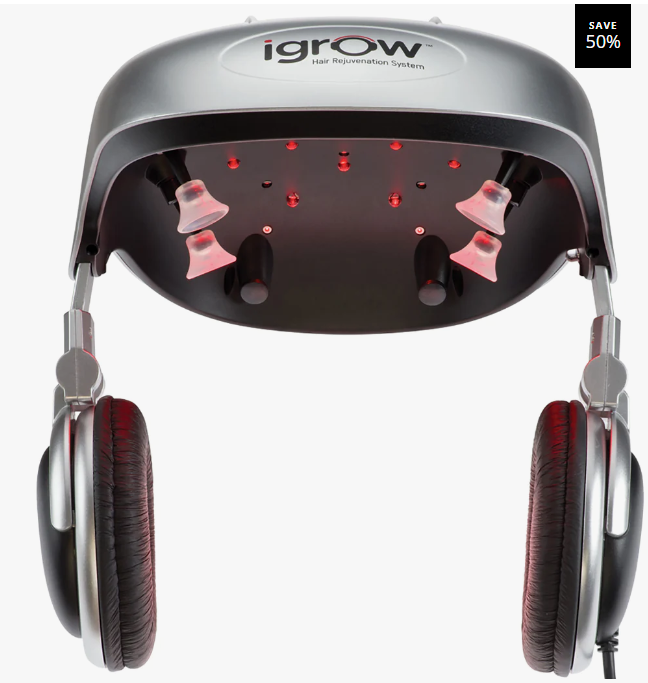
LLLT can also be administered via a low-level cap or helmet containing the lasers or LEDs. The hood or helmet is worn for a certain time, usually between 10 and 30 minutes, and can be used at home.
How much does an LLLT treatment cost in the Netherlands?
The cost of an LLLT treatment may vary depending on the specific treatment method and the provider. In the Netherlands, LLLT can be offered for hair loss by dermatologists, hair clinics and some beauty salons. The cost of an LLLT treatment in the Netherlands varies from €50 to €150 per session, and it usually takes multiple sessions to see results.
To find a provider that offers LLLT for hair loss in the Netherlands, it is advisable to do some research online and to read reviews of previous patients. You can also consult your doctor or dermatologist for recommendations. It is important to choose a renowned provider who has experience with LLLT for hair loss and can provide personal treatment advice based on your individual needs and goals.
What can I expect from LLLT results?
The results of an LLLT treatment for hair loss may vary from person to person, and some people see better results than others. However, many studies have shown that LLLT can be an effective treatment for hair loss in both men and women.
Generally, the results of LLLT treatment for hair loss may be:
1. Increased hair growth: LLLT can stimulate hair follicles to promote new hair growth and improve the thickness and density of existing hair.
2. Less hair loss: LLLT can also help to reduce hair loss by strengthening the hair follicles and reducing inflammation in the scalp.
3. Improved hair quality: LLLT can improve the overall quality and health of the hair, making the shiner stronger and more resilient.
It is important to note that LLLT is not a single treatment and requires consistent use for several months to see results. According to some studies, the best results are obtained with twice weekly treatments for several months followed by maintenance treatments to maintain the results.
Although the results of LLLT treatment may vary for hair loss, it may be an effective and non-invasive option for people with hair loss. It is important to talk to a healthcare professional and to do your own research to determine if it is the right treatment option for you.
What does research say about the effectiveness of Low Level Laser Light Therapy in hair loss?
LLLT is a treatment that uses low-level laser light to stimulate hair growth. The light energy is absorbed by the hair follicles, increasing cell activity and blood flow to the hair follicles. This can lead to thickening of the hair and promoting hair growth.

Several studies have been conducted on the effectiveness of LLLT in hair loss, some of which have produced promising results. For example, a meta-analysis of 11 studies (3) concluded that LLLT had a positive effect on hair density in patients with androgenic alopecia.
Another study (4) investigated the effect of LLLT on hair growth in women with hair loss. The researchers found that after 24 weeks of treatment with LLLT hair growth was significantly increased compared to placebo treatment.
A more recent study (5) investigated the effect of LLLT in both men and women with different types of hair loss. Researchers found that LLLT improved hair growth in patients with androgenic alopecia, alopecia areata and telogen effluvium.
Although the results of these studies are promising, it is important to note that the effectiveness of LLLT may vary depending on different factors, such as dose and frequency of treatment, duration of treatment and cause of hair loss. More research is needed to further investigate these factors and to determine the optimal treatment of LLLT for hair loss.
References: 3. Adil, A., & Godwin, M. (2017). The efficacy of treatment for androgenic alopecia: A systematic review and meta-analysis. Journal of the American Academy of Dermatology, 77(1), 136-141.e5.
- Avci, P., et al. (2013). Low-level laser therapy for androgenic alopecia: a randomized, double-blind, sham device-controlled, multicenter trial. Lasers in Surgery and Medicine, 45(5), 282-287.
- Lanzafame, R. J., et al. (2021). The growth of human scalp hair in females using visible red light laser and LED sources. Lasers in Surgery and Medicine, 53(1), 68-76.


You might like this too.
Solide Resultaten na 2 Maanden met Orale Finasteride en Topische Minoxidil

Impressive Hair Transformation after 2 Months on Finasteride and oral Minoxidil


