

You're losing her to Gluten? The Surprising Truth About Bread and Your Crown
If you notice that you are finding more and more hair in your brush, or that your hairline is slowly losing ground, then you are probably looking for answers. You may have looked at stress, hormones, or genetics, but have you ever thought about what's on your plate? Specifically, the daily sandwich, the pasta at dinner, or the cookies at the coffee?
The link between gluten and hair loss is an issue that has been getting increasing attention in recent years. And although it may sound like another such health rage, there is actually scientific basis for this concern. Let me take you on a journey through the complex world of gluten, your intestines, and your hair follicles.

When your body is at war with your breakfast
Imagine. Every time you eat a sandwich, a small alarm system goes off in your body. For most people this isn't a problem, the body simply processes gluten as it should. But for a growing group of people that daily bread becomes a silent saboteur of their health, and yes, also of their hair.
🧬 Gluten & Hair loss Assessment
Find out if there could be a connection between gluten and your hair loss
Pattern
What type of hair loss do you experience?
🎯 Your Personal Results
Based on your answers, we made a risk analysis.
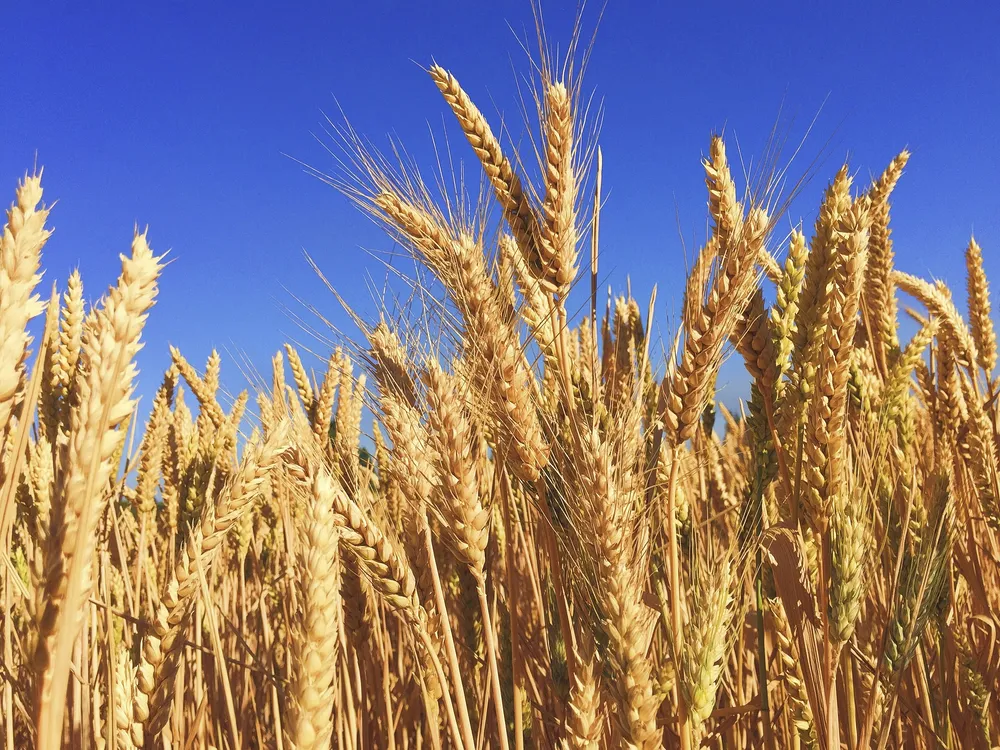
Gluten is not just an ingredient. It is a compound protein that occurs in wheat, barley and rye, and it makes your bread nice and elastic and airy. But here it gets interesting: In some people, the immune system recognises gluten as an intruder. The result? An inflammatory reaction that extends far beyond your bowels.
The Hidden Connection: From Darm to Hair Bag
Here's where the story gets really fascinating. In people with celiac disease, an autoimmune disease in which the body attacks gluten . The chronic inflammation in the intestines disturbs the absorption of nutrients. And guess what nutrients are essential to healthy hair? Iron, zinc, biotin, and a whole arsenal of B vitamins.
It's some kind of domino effect: Gluten causes intestinal inflammation, leading to malabsorption, resulting in food shortages, which ultimately undermines your hair growth. It's like your car's driving perfectly, but you're slowly leaking fuel out of it.
But it gets even more complicated. There's also something like non-coeliac gluten sensitivity. These people do not have the complete autoimmune response of coeliac disease, but they do experience negative effects of gluten. Chronic inflammation can disrupt the natural hair growth cycle, causing hair to fall into the resting phase prematurely.
When Your Skin Meeprate: Herpetiformis dermatitis
One of the most concrete links between gluten and hair loss comes in the form of dermatitis herpetiformis. This is a skin condition that is common in people with coeliac disease, and it manifests itself as an itchy, blistering rash. If this occurs on the scalp, the inflammatory reaction may lead to local hair loss.
It's like your scalp literally rebels against the gluten in your system. The inflammatory reaction is so severe that hair follicles get damaged, resulting in bald spots exactly where the rash occurs.
The Silent Thief: Telogenic Effluvium
Then we still have telogenic effluvium .. a form of hair loss that is characterized by diffuse, excessive hair loss. Although this is not directly caused by gluten, food shortages and chronic inflammation associated with gluten sensitivity may be a trigger.
At telogenic effluvium, hair follicles enter the rest phase massively and prematurely. It's like your body decides that her is a luxury it can't afford when it's fighting chronic inflammation and compensating for nutritional shortages.
The Genetic Component: When Family Plays A Role
This is where the story gets even more interesting. Hair loss often has a genetic component called male baldness or female pattern baldness. But what if you're already genetically programmed for hair loss, and you add gluten sensitivity to that? Then you have a perfect storm.
Gluten may not immediately worsen genetic hair loss, but it may work as an accelerator. It's like you already have a car that's inclined to drive fast, and then crash the accelerator.
The Hidden Chills of Gluten Free Life
Now you might think: "Okay, I'm just gonna live gluten-free, problem solved!" But it's not that simple. Gluten-containing cereals are an important source of nutrients in the Western diet. If you eliminate gluten without careful planning, you run the risk of other nutritional deficiencies that can also affect your hair.
It's kind of like sealing a leak without making sure there's no other leaks. You solve one problem, but you create potentially other.
Cross-reactivity: When it's more than just Gluten
Some people with gluten sensitivity also develop sensitivities to other proteins. This is called cross-reactivity, and it may also cause oats, dairy, or other cereals problems. It's like your immune system becomes hypervigilant and other innocent proteins become enemies.
The Surprising Role of Haircare Products
Here's something most people don't think about: some hair care products contain ingredients derived from gluten. For people with severe gluten sensitivity even topical exposure through the scalp can cause reactions.
It's ironic: You try to take care of your hair with products that may exacerbate your hair problems. It's like watering a plant that's polluted. Your good intentions work against you.
Stress, Sleep and the Big Picture
Important to remember is that hair loss rarely has one cause. Stress, sleep quality, hormonal fluctuations, medications, they're all pieces of a complex puzzle. Gluten may be one of those pieces, but it's rarely the whole story.
Chronic stress, for example, can also lead to hair loss, and guess what stress can cause? Chronic bowel infections due to gluten sensitivity. It becomes a vicious circle in which several factors reinforce each other.
The Way to Recovery: A Holistic Approach
If you suspect gluten plays a role in your hair loss, the first step is to seek professional help. A dermatologist, gastroenterologist, or allergologist can perform the right tests to determine whether you have coeliac disease or are gluten-sensitive.
But recovery goes beyond just avoiding gluten. These are:
Nutritional recovery: Get all essential nutrients, especially iron, zinc, biotin, and B vitamins. This often means working with a dietician who specializes in gluten-free nutrition.
Damsancing: It may take months for a damaged bowel wall to recover. During this time extra attention to food supplements is often needed.
Stress management: Chronic stress can exacerbate hair loss, so techniques such as meditation, yoga, or just help regular exercise.
Patience: Hair recovery is a slow process. It can take 3-6 months to see improvement, because hair has a long growth cycle.
Individual Differences: Your Story Is Unique
What can be frustrating is that not everyone experiences hair loss with gluten sensitivity. Bodies are complex, and the way your body reacts to gluten can be quite different from how someone else reacts.
Some people notice improvement within weeks after eliminating gluten, others see results only after months, and again others notice no difference in their hair at all. It's a reminder that we're all unique biological systems.
Science: What We Do And Don't Know
It's important to be honest: research into the direct relationship between gluten and hair loss is still limited. We have promising observations and logical connections, but more research is needed to draw final conclusions.
What we do know is that food shortages, chronic inflammation, and autoimmune reactions can all cause hair loss. And we know that gluten-related disorders can cause all these factors. The puzzle fits together logically, even though we haven't found all the pieces yet.
Practical Steps For Now
If you suspect that gluten plays a role in your hair loss, here are concrete steps you can take:
- Document your symptoms: Keep a diary of what you eat and how you feel, including changes in your hair.
- Find professional help: Get tested for coeliac disease and other gluten-related diseases.
- Experiment safely: If your doctor approves it, try a gluten-free diet for a few months to see if it helps.
- Focus on nutrition: Make sure your gluten-free diet still contains all the essential nutrients.
- Be patient.: Give your body time to recover.
The Bottom Line
The connection between gluten and hair loss is real to some people, but it is not universal truth. If you suspect gluten is affecting your hair, it's definitely worth investigating. But don't forget that hair loss is usually multifactorial. It's rarely just gluten.
The good news? If gluten does indeed play a role in your hair loss, then you have a concrete action you can take. The path to recovery may be long, but it is a path you can walk.
Remember: Your body is constantly talking to what you eat. Sometimes it's a friendly conversation, sometimes it's a heated discussion. It is worth listening to what your body is trying to tell you, especially if it speaks through your hair.


You might like this too.
Thyroid & Hair loss: The Hidden Connection Ontrafeld

Can weight loss cause hair loss? How do you prevent this?


