

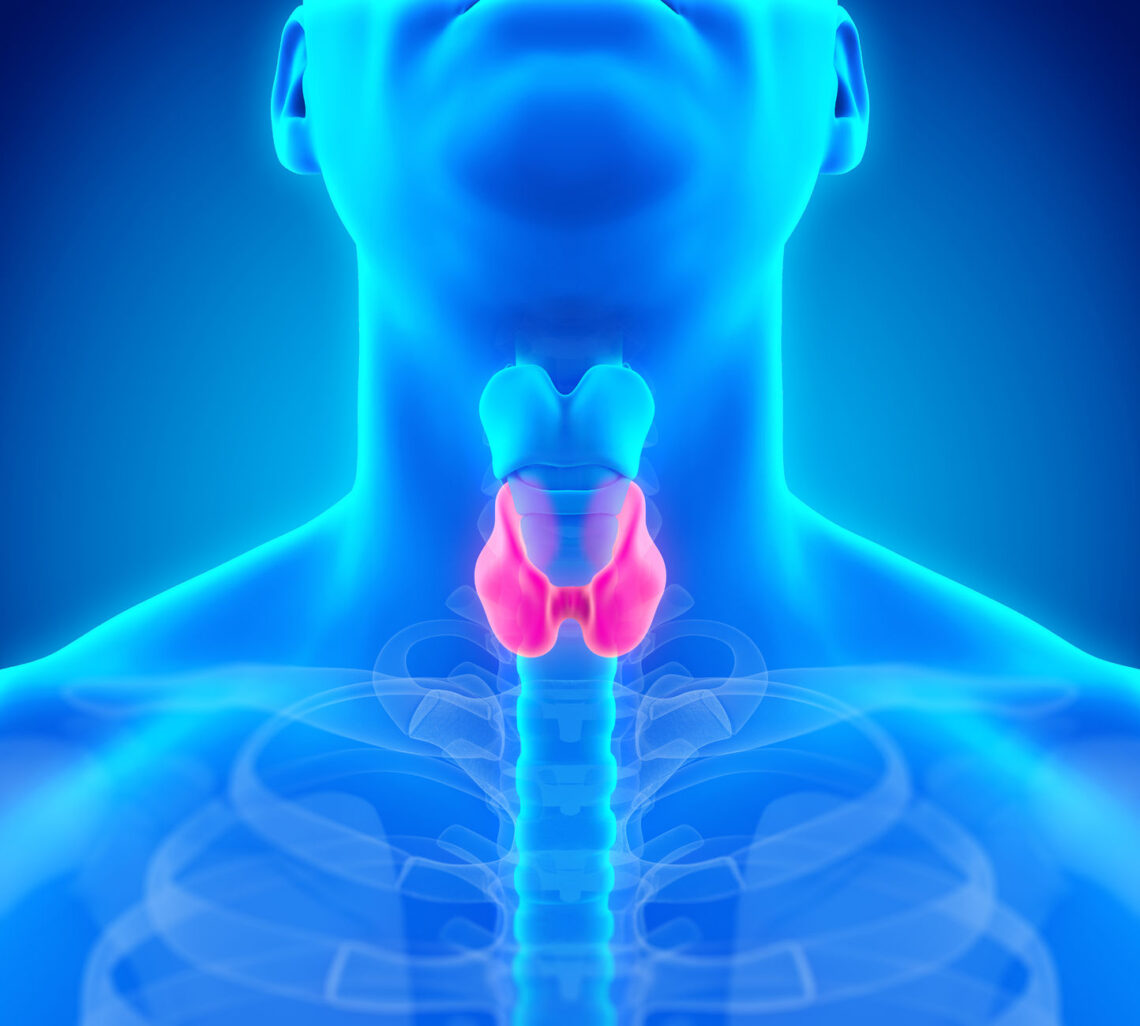
Thyroid & Hair loss: The Hidden Connection Ontrafeld
Hair loss. It's frustrating, right?
But what if I told you that your thyroid real Could be a culprit?
Let's dive into this fascinating connection, especially the solutions you may not already know.
This video from The Hair Loss Show Explains the relationship between the thyroid gland and hair loss very well.
The Invisible Thief Of Your Hair
It starts subtlely.
A few extra hairs in your brush. Slightly thinner eyebrows. Nothing to worry about, you think.
But that little butterfly-shaped gland on your neck has other plans.
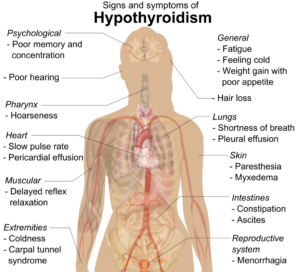
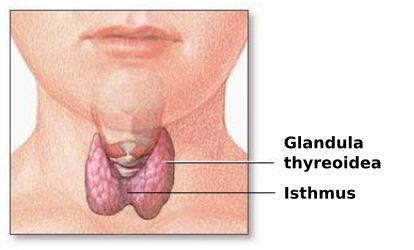
Your thyroid . . . . hardly larger than a coin . . . . When this goes off-balance, you become her first victim.
Here's what happens:
T3 and T4 hormones determine your hair growth cycle. With a healthy thyroid gland, your hair grows in a predictable pattern of:
- Anagenic phase (growth)
- Catagenic phase (transition)
- Telogenic phase (rest and failure)
Disbalance? Absolute chaos.
Fast Thyroid Hair loss
With hyperthyroidism (overactive thyroid) everything is on full swing:
- Your metabolism is accelerating dramatically.
- Your hair cycle is getting confused.
- Hairs reach the dropout phase far too quickly
- The result? Systematic dilution over your entire scalp
This is not your standard hair loss. It's methodical. Ruthless. And it doesn't stop by itself.
What it causes:
- Too high T3/T4 mirrors send hair bags in overdrive
- Protein synthesis is disturbed
- Cell renewal is abnormally accelerated
- Degrade hair shafts before they can fully develop
It often happens so quickly that hairdressers often notice it before you do.
"I thought at first it was my new shampoo," tells Lisa (38). "My hairdresser asked if everything was going well with my health. A week later, my TSH value was unmeasurable."
Slow Thyroid Hair loss
The opposite happens with hypothyroidism (slow thyroid gland):
- Your metabolism slows to a snail rate
- Nutrients barely reach your hair bags
- Your hair gets dry, dull and fragile
- Gradual but unbearable failure follows
Up to 30% of people with a slow thyroid gland experience significant hair loss. And it sneaks in slowly. Traitorous.
The biological statement:
- Reduced T3/T4 levels slow cell renewal in hair follicles
- Reduced blood circulation to your scalp
- Vital building materials (keratine, collagen) are not produced efficiently
- Hair cycle continues to stagnate in ligature phase
"I could literally take my hair off in bushes," Marco (45) remembers. "Three months after I started levothyroxine, the failure stopped. After a year my hair was thicker than in years."
Thyroid Wenkbrows: The First Warning
Watch your eyebrows! 🔍
Dilution of the outer third part of your eyebrows, known as the "Queen Elizabeth" sign, is often the very first signal of thyroid problems.
This subtle change often passes unnoticed in a world obsessed with head hair. But for the observant person? An early life buoy.
Why specifically there?
- These eyebrow hairs have unique hormone sensitivity
- They have shorter growth cycles than head hair
- They react more quickly to metabolic changes
"My endocrinologist first looked at my eyebrows, not at my file," tells Femke (51). "He said the sign was almost diagnostic to hypothyroidism. And he was right."
Thyroid Symptom Checker
Discover in 60 seconds whether your hair loss is thyroid related
Do you have hair loss all over your scalp (not in specific areas)?
Have your eyebrows become thinner, especially on the outside?
Has your hair been drier, brittle or break it off easier lately?
Do you experience unexplained fatigue or muscle pain?
Do you have weight fluctuations, temperature sensitivity or premature ageing?
Graves' disease
Graves' disease complicates the story further:
- Autoimmune response attacks thyroid cells
- Extreme hyperthyroidism develops
- Hair cycle is completely disturbed
- Result? Accelerated failure, spotlessness, and "shock loss" when treatment starts
This autoimmune disease causes:
- Inflammation factors that directly damage hair follicles
- Extreme hormonal fluctuations
- Often additional skin problems that further compromise hair growth
Good news: Once under control, you can return her. Stronger than before.
"The first six months after diagnosis was terrible," confessed Sonja (34). "I wore wigs. But six months after my radioactive iodine treatment, my hair started growing back. Now, two years later, it's thicker than ever."

Levothyroxine Hair loss: The Treatment Paradox
This is where it gets interesting.
Levothyroxine . . . . . . . . . . . . . . . . . Yeah, you read it right.
The drug that your thyroid gland needs to help can initially speed up your hair loss.
The paradox dissected:
- Your body is shocked by the sudden hormone increase
- Hair cycle is abruptly rebalanced
- Hair follicles in rest phase are all activated simultaneously
- Temporary synchronization leads to more visible failure
- This typically takes 2-3 months
But don't give up! After this adjustment period, new, healthier growth begins. It is like pruning a plant for more powerful flowering.
New research furthermore suggests that combination therapy (T4+T3) is sometimes better for hair recovery than levothyroxine alone:
- T3 reaches tissues directly, without conversion need
- Some people have genetic variations in deiokinase enzymes (converting T4 to T3)
- Adding small T3 dose can reactivate hair follicles more quickly
"After switching from pure levothyroxine to combination therapy, everything changed," shares Thomas (41). "Not only my energy, but also my hair. Within weeks the breakdown stopped, within months everything came back."
Fatigue Hair loss Muscle pain: The Treacherous Three
Do you feel tired all the time? Hair falling out? Unexplained muscle pain?
This "unholy trinity" is crying out for attention. It's not a coincidence they perform together.
A slow thyroid gland causes:
- Energy shortage at cellular level (fatigue)
- Reduced delivery of micronutrients to hair follicles (loss)
- Disturbed muscle breakdown and recovery (pain)
The biochemical explanation:
- Reduced ATP production in mitochondria (energy plants in your cells)
- Decreased metabolism of lactic acid in muscles
- Disruption of calcium sodium channels in muscle fibres
- Reduction of D-vitamin activation (crucial to hair follicles)
This pattern requires immediate blood tests. Not tomorrow. Not next week. Now.
"Three doctors said it was chronic fatigue," remembers Jan (47). "The fourth tested my thyroid gland. TSH 11.2 hindered extreme hypothyroidism. All three symptoms resolved within 8 weeks of therapy."
Slow Thyroid Grey Hair: Previous Ageing
As a blow to the flare, hypothyroidism can cause premature ageing.
Thyroid hormones also influence the melanin production in your hair follicles. Insufficient hormone = less melanocyte activity = decreased pigmentation = gray hair.
Fascinating details:
- Oxidative stress increases with hypothyroidism
- Melanocytes are extremely susceptible to oxidative damage
- As soon as melanocytes die, pigment production is permanently stopped
- Recent studies show that thyroid hormone therapy can reverse some gray tones if you treat early enough
"I grayed at 31," tells Annemarie (36). "Six months after my thyroid medication started, I saw something strange, dark roots. My natural color came back."
Thyroid Hair loss Experiences: Real Stories, Real Results
Maria (42): "My eyebrows disappeared first. It was months later that I noticed that my head hair also became thinner. Diagnosis: Hashimoto. After six months of therapy, everything came back."
Joost (35): "Arts told me my hair loss was stressful. One year and three doctors later, they discovered my thyroid gland. My TSH was 0.03 hindered hyperthyroidism. Treatment not only saved my hair, but possibly my life."
Sanne (28): "Six months after my treatment my hair began to grow back. Now, two years later, it's thicker than ever. People ask me to wear extensions. It's all real hair!"
Willem (53): "My eyebrows came back first. Then my slow growing beard. Head hair lasted longer than 9 months. But it all came back. Better than before."
Thyroid Hair loss Symptoms: Learn The Warning Signs
How do you recognize thyroid-related hair loss?
Alarming signals:
- Outage spread throughout scalp (no isolated areas)
- Change in hair texture (dry/ brittle/dor)
- Thinning eyebrows (especially outer parts)
- Failure is accompanied by fatigue/weight fluctuations
- Hair breaks down easily, never reaches "full" length
- Nails also show fragility or ridges
- Hair loss worsens unexplained (no seasonal pattern)
Important: thyroid hair loss is consistent and progressive, not cyclic such as hormonal failure due to pregnancy or menstrual periods.
Don't compare yourself to others. Everyone reacts differently to thyroid dysfunction:
- Some lose significantly hair at slightly abnormal values
- Others retain full locks despite severe hypothyroidism
- Genetics plays a significant role in your sensitivity
"My sister and I both have Hashimotos," shares Karin (44). "My hair fell out, not hers. What stood out: her nails became fragile, while my nails remained fine. Different manifestations of the same problem."
The Way Back: Step by Step To Full Loving
1. Correct Diagnosis: More Than Just TSH
Ask specifically for these tests (mandatory if necessary):
- TSH (standard but very insufficient)
- Free T3 and free T4 (essential for full picture)
- Reverse T3 (defins whether T4 is converted correctly)
- TPO antibodies and TG antibodies (for autoimmune problems)
- Ferritin (iron reserve, crucial for hair follicles)
- Vitamin D (regulating immune function)
- Vitamin B12 (co-player in hair growth)
Why complete testing is crucial:
- "Normal" TSH ranges are controversial (some experts argue for closer ranges)
- You can have "normal" TSH but abnormal T3/T4
- Autoimmune thyroid problems require other treatment approaches
- Cofactors should be optimised for hair growth
"For five years, doctors said my TSH was "normal." sigh Peter (39). "Then a new doctor tested free T3. It was lower limit. Supplementation changed everything including my hair density."
2. Nutrition strategy: The Building Blocks for Hair & Thyroid
Your thyroid and hair require specific building materials:
Selenium: Crucial for conversion from T4 to T3
- 2-3 Brazilian Brazil Brazil nuts daily (best source worldwide)
- Alternatives: tuna, shrimp, brown rice
- Optimal blood count: 110-150 ng/ ml
Zinc: Essential for DNA synthesis in fast-growing cells such as hair follicles
- Oysters (highest concentration)
- Pumpkin seeds, beef, chicken thighs
- Optimal blood count: 90-110 μg/dL
Iodine: Substance for thyroid hormone production
- Seaweeds (kelp, nori, wakame)
- Enriched salt (with caution for autoimmune problems!)
- Optimum range: 150-300 mcg daily
B vitamins: Energy producers for hair follicles
- B7 (biotin): eggs, nuts, sweet potatoes
- B12: shellfish, liver, enriched vegetable milk
- Folate: Dark green leaf vegetables, lentils, avocado
Omega-3 fatty acids: Inflammation inhibitors and main veterinary medicinal products
- Wild fat fish twice a week
- Sunflower seeds, chia seeds, walnuts
- Optimum ratio omega-6:omega-3 = 4:1 or less
Proteins: 95% hair shafts consist of keratin (protein)
- Minimum 1.2g/kg body weight daily
- Combination of animal and plant sources
- Divide daily intake for optimal absorption
"When I started supplementing selenium, everything changed," confirms Nadia (32). "Within 8 weeks my hair loss stopped. My nails got stronger. And it literally cost me two notes a day."
3. Smart Haircare: Protect What You Have
Treat your hair as porcelain during the recovery process:
Avoid heat:
- Hair dryers: use cool or lukewarm mode
- Style tongs: temporary stop
- Heat-protective sprays: always use if necessary
Choose mild cleaning methods:
- Sulphate-free shampoos (sodium lauryl sulphate is enemy #1)
- Co-washing (conditioner-only) to preserve natural oils
- Reduce washing frequency to 2-3 times per week
Mechanical protection:
- Sleep on silk pillowcase (reduces friction by 43%)
- Avoid tight hairstyles pulling hair follicles
- Use hair brushes with natural hair and rounded ends
Stimulate blood flow:
- Massage scalp 5 minutes a day (proven effective)
- Hang regularly upside down (yoga postures such as downdog)
- Contrast showers (changing hot/cold) activate microcirculation
"The silk pillowcase was a revelation," shares Kim (37). "Not only did morning twitching decrease dramatically, I found literally less hair on my pillow. Plus my hair looked shiny."
4. Advanced Support: For Who Needs Extra Help
Where standard approach is not sufficient:
Microneedling: Stimulates sleeping hair follicles
- 0.5-1.5mm needles activate growth factors
- Professional treatments: every 4-6 weeks
- Home use dermarollers: 0.25-0.5mm, weekly
- Works synergistic with topical treatments
Low-level light therapy (LLLT):
- Used red light waves (650-900nm)
- Stimulates ATP production in hair follicles
- Reduces ignition factors
- Proven in multiple clinical trials
- Options: professional treatments or home appliances (helmets, combs)
PRP treatments:
- Uses your own platelets for accelerated growth
- Plakjes rich plasma contains concentrations of growth factors
- Injections directly into scalp
- Results visible after 2-3 treatments
- Few side effects due to their own blood
Functional medication:
- Spironolactone (off-label use for women)
- Minoxidil (topical, not oral)
- Ketoconazole (anti-fungal with anti-androgen effect)
"After a year of thyroid therapy, my hair growth stagnant," tells Bart (43). "Three PRP sessions later, my hair density had increased by 34%. My dermatologist was amazed."
Recovery Timeline: When do you expect results?
Patience is essential. The biological reality:
- Hair grows only 1-25 cm per month
- Refreshing hair cycle takes time
- Expect this timeline:
0-2 months: Correct underlying imbalance
- Stabilize thyroid gland values
- Supplementing food shortages
- Failure gradually decreases
2-4 months: Stabilisation phase
- Failure reduces drastically
- Existing hair gets stronger
- First signs of "peach fuzz"
4-8 months: Early growth
- Vellus hair becomes terminal hair (thicker/strong)
- Hair density increases
- Initial comments from others
8-12 months: Visible Transformation
- Significantly improved hair density
- Texture improvement
- More styling options possible
12-18 months: Full reset
- Maximum hair density reached
- Hair quality optimal
- For some: better than prethyroid problems
Document your journey! Monthly photocopiers reveal subtle changes you miss every day.
"It took me six full months to see improvement myself," confessed Larissa (41). "But when I compared photos of . . . . . . . . . . . . . . . . . . . . . . . . . . . . . . . . . . . . . . . . . . . . . . . . . . . . . . . . . . . . . . . . . . . . . . . . . . . . . . . . . . . . . . . . . . . . . . . . . . . . . . . . . . . . . . . . . . . . . . . . . . . . The difference was dramatic, but so gradual that I had not noticed."
5 Secret Accelerators: Pro Tips for Optimal Recovery
Do you want to speed up the process? Here are five little known strategies:
1. Chronobiology Hack:
- Take thyroid medication on an empty stomach, 30-60 minutes before breakfast
- Increases absorption by 25-30%
- Wait 4 hours with calcium/iron supplements
- Consistent time increases hormone stability
2. Stress Master Plan:
- Cortisol is direct antagonist of thyroid hormone conversion
- 10 minutes daily meditation significantly reduces cortisol
- Adaptive movement (walking, swimming, yoga) .
- Respiratory techniques: 4-7-8 method before meals
- Prioritize sleep quality over quantity
3. Detoxification Your Environment:
- Replace plastic containers with glass/ceramic
- Filter tap water (chlorine and fluoride influence thyroid function)
- Choose care products without parabens/phthalates
- Avoid synthetic fragrances at home
- Evaluate medication for possible influence on thyroid function
4. Circadian Rhythm Optimization:
- 7-8 hours of qualitative sleep increases T3 conversion by 30%
- Natural light within 30 minutes of awakening
- Blue Light Filters After Sunset
- Consistent sleep-watching times, even on weekends
- Temperature drop for sleep (cooler bedroom)
5. Strategic Supplements:
- Ashwagandha: Adaptogen with proven thyroid support
- Sacred basil: Cortisol decreased
- Rhodiola: energy improver without thyroid stimulation
- Vitamin B complex: energy at cellular level
- Magnesium glycinate: key supporter of 300+ enzyme systems
"Ashwagandha changed my life," shares Remco (36). "My free T3 rose by 18% within three months. My energy level exploded. And yes, my hair got fatter. Win-win-win."
The Circle Close: From Diagnosis to Full Recovery
Thyroid-related hair loss is not a death sentence for your lure.
It's a temporary derailment provided you intervene.
Start at the source: your thyroid gland. Treat the cause, not just the symptom.
The process may seem frustratingly slow, but remember:
- Every day treatment is a step forward
- Hair follicles don't die, they only sleep
- With the right care they wake up again
Because the best part? Once balanced, not only does your hair grow back. Your energy is returning. Your skin is radiant. Your thoughts are getting clearer.
The circle is closing. Your health is transforming.
What about your hair? It'll follow.
"My hair was my identity," Shut down Emma (39). "When it went down, I lost myself. My thyroid treatment didn't just give me back my hair.
What step are you taking today? 🌱





One reaction
Pingback: