


Can it cause a lot of paracetamol hair loss?
Medication & Hair loss: What You Should Know
Are you sitting in front of the mirror and seeing more hair on your brush than on your head?
Maybe you're on medication.
That could be the culprit.
Let's be honest: hair loss is frustrating and often emotionally incriminating. But did you know that some common medicine can play a role in this?
Today we dive deep into the world of medication-related hair loss. Not a boring scientific treatise, but practical information that really helps you.
Which medications could cause hair loss?
You take them for your health. But sometimes they make your hair thinner.
Ironic, right?
Here are the main suspects:

Blood thinners & Hair loss: Undesirable effects
Blood thinners such as warfarin and heparin prevent lethal blood clots. Essential to some, but with an annoying side effect to your hairdos.
How does this work?
Blood thinners affect your circulation. And guess what your hair bags need to flourish? Right, good blood supply with oxygen and nutrients.
When these drugs change your blood flow, your hair follicles may not get what they need. The result? Telogen effluvium .a complex term for "your hair falls out in greater quantities than usual."
You usually see this 2-3 months after starting the medication. The good news? It's usually temporary.
Blood pressure decreases: Decreased Pressure, Reduced Hairdos
Beta blockers and ACE inhibitors control your blood pressure. Top priority for your heart, less good news for your hair.
Why is this happening?
These medicines may:
- Reduce blood flow to your scalp
- Disrupting your hormone balance
- Interrupt the normal hair growth cycle
This explains why some people with high blood pressure suddenly have to deal with thinning hair.
Rosuvastatin Hair loss: The Cholesterol connection
Statines such as rosuvastatin (brand name Crestor) lower your cholesterol. Great for your heart, but cholesterol is also a building block for hormones that keep hair follicles healthy.
The cholesterol hair link:
If your cholesterol drops dramatically, this can affect your hormone production. Especially male hormones (androgens) are sensitive to this, and these control your hair growth.
This explains why some statin users find their hair thinning or even falling out after a few months.
The scientific community is divided. Some studies see the connection, others do not. But if you notice it shortly after starting rosuvastatin, it's not a coincidence.
Amoxicillin Hair loss: Antibiotics and Your Hairdos
Antibiotics like amoxicillin kill bacteria. Very effective against infections, but they do not distinguish between good and bad bacteria.
The gut flora hair follicles connection:
Your intestinal bacteria help to absorb nutrients that are essential to healthy hair, such as:
- Biotin
- Zinc
- Iron
- Vitamin D
When antibiotics interfere with your gut flora, this can lead to shortages that affect your hair growth.
In addition, in rare cases amoxicillin may cause an allergic reaction affecting the hair follicles. Not often, but it happens.
The Hidden Mechanisms Behind Medicine Related Hair Loss
Let's zoom in on what really happens when drugs affect your hair.
Telogen Effluvium: The Most Common Response
The majority of medication-related hair loss is covered by ephfluvium . Sounds complicated, but actually it simply means that your hair follicles accelerate from the growth phase to the rest phase.
What's happening?
Normally, it grows 85-90% of your hair, while 10-15% is at rest. Medicine can disrupt this balance, bringing up to 30% of your hair to rest. Three months later, the hair falls out.
That explains why you often notice hair loss months after starting a drug.
Blood circulation: The Lifeblood of Your Hair
Your hair follicles are hungry for oxygen and nutrients. They receive these via small blood vessels in your scalp.
Medicines that affect your blood vessels (think of blood pressure lowering and blood thinners) can interfere with this supply.
The domino effect:
- Medicine affects blood vessels
- Less blood flow to hair follicles
- Hair follicles don't get enough food
- Hair growth slows or stops
- Hair falls out prematurely
This explains why so many different medications can have similar effects on your hair.
Hormonal Disruption: The Invisible Factor
Hormones conduct your hair growth as an invisible conductor. A lot of medication is disrupting this delicate orchestra.
Hormones and hair: a complex relationship
Especially androgens (male hormones) play a crucial role in hair growth. Even minor changes can have major consequences.
Statines like rosuvastatin can affect your hormone production because cholesterol is the building block for hormones. No wonder you're reacting to her!
What can you do if your meds touch your hair?
Now the most important part: how do you handle this?
1. Never stop with your medicine!
Let me repeat this: NEVER stop taking prescription medication because of hair loss.
Your medication has been prescribed for a reason, often one more important than hair loss. Always consult your doctor first.
2. Document your hair loss
Start a hair loss diary. Note:
- When you started medication
- When your hair loss started
- How much hair you lose (for example: extra hair on pillow, in brush)
- Pictures of your scalp and hair
This information is gold for your doctor.
3. Discuss Alternatives With Your Arts
Often alternative medicines are available within the same class that have less effect on your hair.
Examples:
- Some beta blockers cause less hair loss than others
- Certain statins have less effect on your hair
- There are blood thinners that don't disturb your hair growth.
Your doctor may consider these options if your hair loss is significant.
4. Strengthen Your Hair From Inside
Support your hair with the right nutrients:
- Biotin (vitamin B7)
- Zinc
- Vitamin D
- Iron (if your values are low)
- Omega-3 fatty acids
A blood test can tell if you're short on your hair loss.
5. Be patient
Here's the good news: medication-related hair loss is usually temporary. As soon as your body adjusts to the medication or you switch to an alternative, your hair often recovers.
Expect this process to take time. The hair growth cycle lasts for months. You give her time to recover.
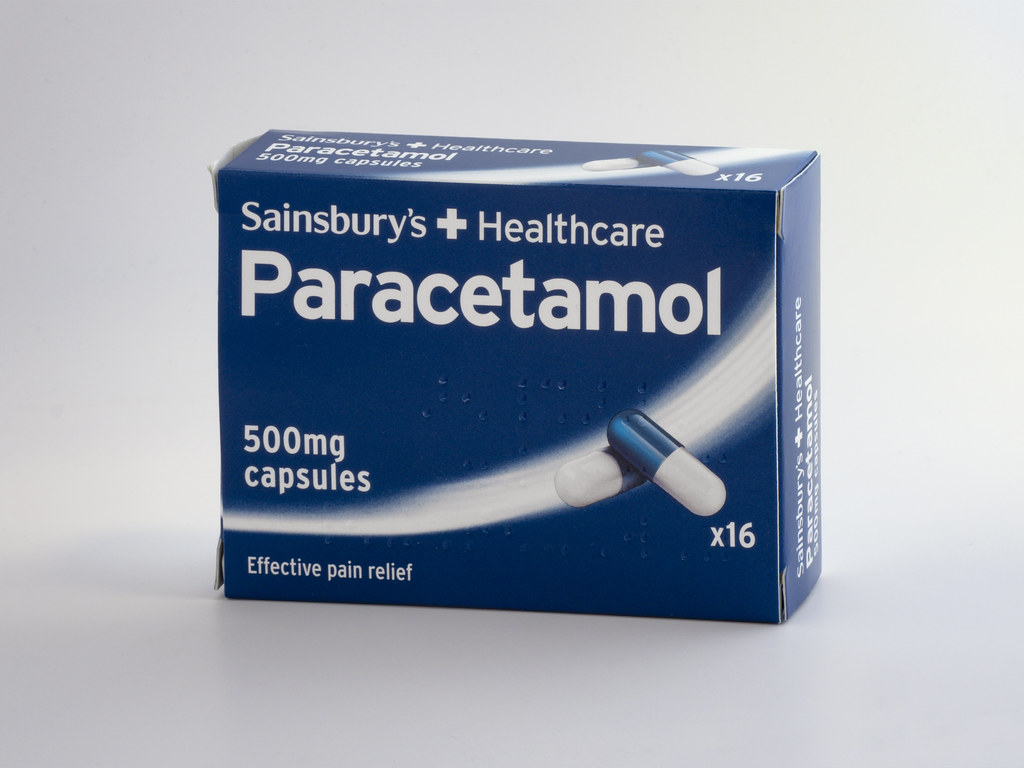
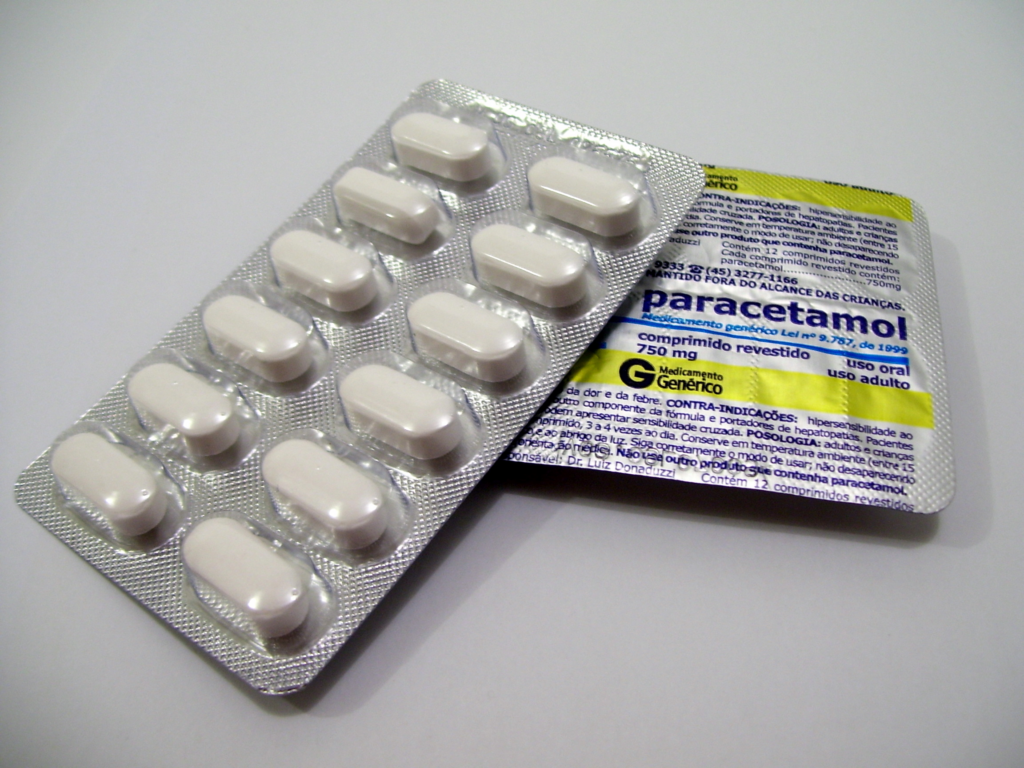
Paracetamol and Hair loss: The Unexpected Connection
Speaking of medication, let's discuss a common drug that people rarely associate with hair loss: paracetamol.
There are rumors that even this everyday painkiller can cause hair loss. But what does science say about this?
The COX enzyme link
Paracetamol inhibits COX enzymes, especially COX-2. These enzymes produce prostaglandins involved in:
- Pain signals
- Inflammation reactions
- Vascular regulation
And that last one is where it gets interesting to your hair.
The theoretical mechanism:
By inhibiting COX enzymes, paracetamol could be:
- The blood flow to hair follicles may decrease
- The hormone balance may affect
- Inflammation processes can interfere with the hair growth cycle
But here's the reality check: there is currently insufficient scientific evidence to confirm a direct link between paracetamol and hair loss.
If you notice your hair getting thinner, it's much more likely that this is due to other factors or medications than from time to time a paracetam ball.
The Psychological Impact of Medication Related Hair Loss
Let's consider something that is often overlooked: the emotional side of hair loss.
Taking medically necessary medication that affects your hair may feel like a cruel joke of the universe. You do what's necessary to your health, but your self-image suffers.
Know this:
- You're not alone.
- It's okay to be sad or frustrated
- There are almost always solutions or ways to deal with them
Also discuss this emotional impact with your doctor. Sometimes a small adjustment in medication is worth it, even if the hair loss is "only cosmetic."
Look forward: Research and Hope
The pharmaceutical industry is increasingly aware of the importance of side effects such as hair loss. Work is under way on:
- Medicine with less impact on hair growth
- Treatments that may prevent hair loss during medication
- Better diagnostic tools to identify risk factors for medication-related hair loss
The future looks hopeful to those struggling with this problem.
Conclusion: Balance between Health and Hair
Medication-related hair loss poses a challenge: How do you balance your medical needs with your desire to keep your hair?
The answer lies in:
- Open communication with your healthcare providers
- Well-informed choices about alternatives
- Patience during the adjustment and recovery process
- Self-care and acceptance
Remember: You're more than your hair. But you also deserve care that will take your whole well-being into account, including your hairdo.
Do you have experience with medication-related hair loss? Share your story in the comments below. Your insights can help others who go through the same.
Disclaimer: This Article is intended for information purposes only and does not replace medical advice. Always consult a healthcare professional before making changes to your medication regimen.


You might like this too.

No more inlets through Finasteride and Minoxidil combo!

Can dairy products such as milk and yoghurt cause hair loss?


