


Is there anything I can do to save my hair without prescription?
Hair loss, especially on the hairline, can be a disturbing experience.
Many people wonder if there's anything they can do to fight hair loss without resorting to prescription medication. In this comprehensive guide we will explore different approaches and treatments to regain your hairline without recipes.
From lifestyle changes to natural remedies, we will discuss what studies say about these methods, answer frequently asked questions and provide you with a comprehensive understanding of your options.
Understanding hair loss on the hairline
Before we go into the solutions, it is essential to understand why hair loss occurs on the hairline. Retracting hairline is often associated with androgenic alopecia, a hereditary condition affecting both men and women. It is mainly caused by the hormone dihydrotestosterone (DHT), which reduces hair follicles and leads to thinner and shorter hair.
What is scientifically proven as the best unprescribed method to stop or help hair loss? Give examples.
Scientifically proven non-prescribed methods to address hair loss focus primarily on two main treatments: minoxidil and low-level laser therapy. These treatments have received significant support through clinical studies and are generally recognised as effective options to control hair loss.
Minoxidil
Minoxidil is a topical, unprescribed drug applied directly to the scalp. It helps improve the blood flow to hair follicles, which can stimulate hair growth. It is available in different strengths, of which 2% and 5% are the most common.
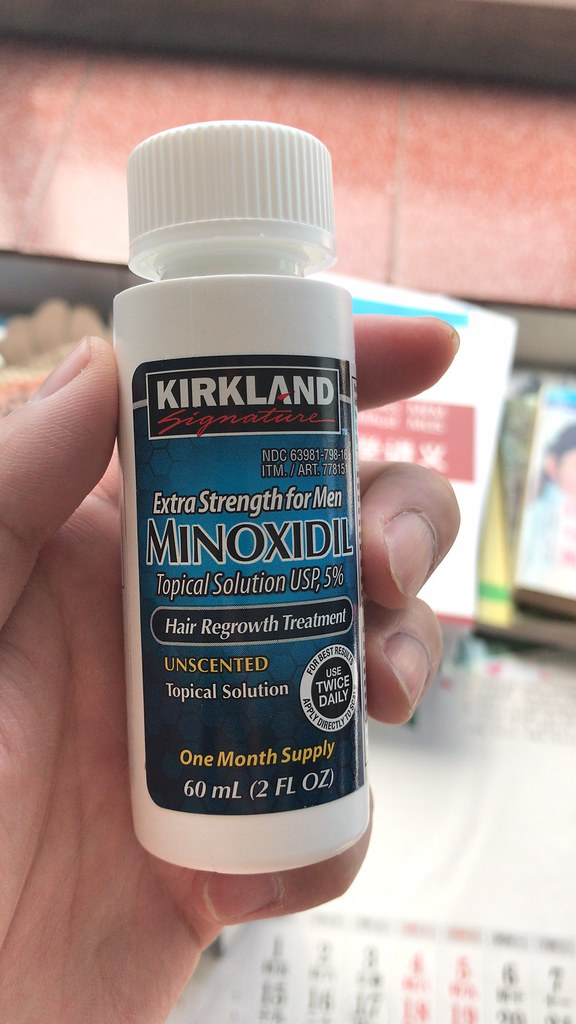
Scientific evidence: Minoxidil has been extensively studied and FDA-approved for the treatment of androgenic alopecia (pattern hair loss). Studies have shown that it can stimulate hair growth and slow hair loss. Example products: Products such as Rogaine (brand name for minoxidil) are available in various forms, including liquid and foam, and can be purchased without prescription.
Low Level Laser Therapy (LLLT):
How it works: LLLT includes the use of low-level laser devices or combs that emit red light to the scalp. This light is supposed to stimulate hair follicles and promote hair growth.
Several clinical studies have shown that LLLT can be effective in increasing hair density and improving hair condition in individuals with androgenic alopecia. It is considered safe and has gained popularity as non-prescribed treatment. Example products: Products such as the HairMax LaserBand and the iRestore Laser Hair Growth System are examples of LLLT devices available without a prescription.
Although minoxidil and LLLT are scientifically supported non-prescribed options, it is important to note that individual reactions to these treatments may vary. The effectiveness of these treatments often depends on factors such as the degree of hair loss, the underlying cause and commitment to consistent use.
It is also crucial to consult with a care professional or dermatologist before starting treatment for hair loss to make sure it is the right choice for your specific situation and to rule out any underlying medical issues. Moreover, these treatments require continued use to maintain results, so patience and consistency are important.
Changes in the Lifestyle for Hairline Improvement
Diet and Nutrition: A balanced diet rich in vitamins and minerals such as biotin, zinc and iron can support the health of the hair. Foods such as eggs, fish, nuts and leafy vegetables can stimulate hair growth.
Stress management: Chronic stress can contribute to hair loss. Taking stress-lowering techniques such as yoga, meditation or regular exercise can have a positive effect on your hairline.
Head care: Keeping your scalp clean and healthy is crucial. Regular, soft scalp massages can stimulate blood flow to hair follicles and promote hair growth.
Haircare products: Use mild, sulphate-free shampoos and conditioners to prevent scalp irritation. Search for products enriched with ingredients such as ketoconazole, caffeine or saw palm, which can help to reduce DHT levels.
Natural Hairline Recovery Remedies
Rosemary oil: Studies suggest that the application of rosemary oil to the scalp may improve hair growth. Mix a few drops with a carrying oil and massage it into your hairline.

Aloe Vera: Aloe vera-gel contains enzymes that can detach hair follicles and stimulate hair growth. Apply it directly to your hairline and have it retract for 30 minutes before you rinse it out.
Onion juice: Rich in sulfur can improve the circulation of onions and promote hair growth. Apply it to your hairline, let it sit for 15 minutes and rinse it out.
Essential oils: Essential oils such as lavender, cedar and peppermint are associated with hair growth. Inject a few drops into a carrying oil and massage it on your scalp.
What Do Studies About Natural Remedies Say?
Although natural remedies are popular, it is essential to consider what scientific studies say about their effectiveness. Some studies have shown promising results, but they are often limited in scope and may not work for everyone. Consult a healthcare professional for personal guidance on natural treatments.
FAQ
Question 1: Can natural remedies grow hair back on the hairline?
Natural remedies may improve the conditions for hair growth, but it is not guaranteed that they will grow back at the hairline. Results may vary.
Question 2: How long before you see results with natural remedies?
Patience is crucial. It may take a few months to notice significant improvements. Consistency is essential.
Question 3: Are there any side effects of natural remedies?
Most natural remedies are safe when properly used. However, some people may experience skin irritation or allergies. Test a small area before you use it extensively.
Question 4: When should I consider considering prescribed treatments?
If natural remedies do not produce satisfactory results, it may be worth discussing prescribed options such as minoxidil or finasteride with a healthcare professional.
Haircare Products with Important Ingredients
Search for shampoos, conditioners and topical products that contain ingredients that are known to support the health of the hair. Examples include caffeine, ketoconazole, saw palmetto, biotin and essential oils such as rosemary and lavender.
Skin massage
Regular scalp massages can stimulate blood flow to the hair follicles. This increased circulation may possibly stimulate hair growth. You can use your fingers or a scalp massage device for this.
Diet and Food
A balanced diet with essential nutrients can support the overall health of the hair. Consider foods rich in vitamins, minerals (e.g. iron, zinc) and proteins. Food supplements such as biotin or marine collagen can also be useful.
Stress reduction
Chronic stress can contribute to hair loss. Take stress-lowering techniques into your daily routine, such as yoga, meditation or deep breathing exercises.
Avoid Harmful Hairstyles
Hairstyles that tighten the hair (such as tight ponytails or braids) can contribute to hair loss. Avoiding these styles can reduce the stress on the hair.
Shampoos that block DHT
Some shampoos are formulated to block or reduce dihydrotestosterone (DHT), a hormone associated with hair loss. These shampoos often contain ingredients such as ketoconazole or saw palmetto.

Changes in Lifestyle
Smoking and excessive alcohol consumption have been associated with hair loss. Stop smoking and reduce alcohol intake may contribute to healthier hair.
Protection against the Sun
Protect your scalp from the sun, as excessive sun exposure can damage the hair and cause hair loss. Wear a hat or use sunscreen when outside.
Hair growth supplements
Non-prescribed supplements are available that contain ingredients such as biotin, collagen or marine extracts and are promoted to promote hair growth. Although the results may vary, some people find them useful.
Conclusion
It is essential to remember that these non-prescribed methods can work differently for each person. What works for one person may not be equally effective for another.
Consistency and patience are important, and it's a good idea to consult with a medical professional or dermatologist before making major changes to your hair care routine or before using new supplements. Moreover, addressing any underlying health problems, if any, can also contribute to improved hair health.
Losing your hairline may be a challenging experience, but there are non-prescription approaches that you can explore to win them back.
From lifestyle adjustments to natural remedies, these methods offer hope to those who want to tackle hair loss. Remember that individual results may vary, and it is always advisable to contact a care professional for personal recommendations on your trip to regain your hairline.
Of course there are a few other non-prescribed options and lifestyle changes that can help to promote hair loss or healthier hair. Although these options may not have as much scientific evidence as minoxidil or LLLT, some have benefited. Here are a few additional non-prescribed methods:


You might like this too.

Is it worth trying Dandelion root extract against hair loss?
Do conditioners ensure your hair loss? The truth behind conditioners and hair loss


