

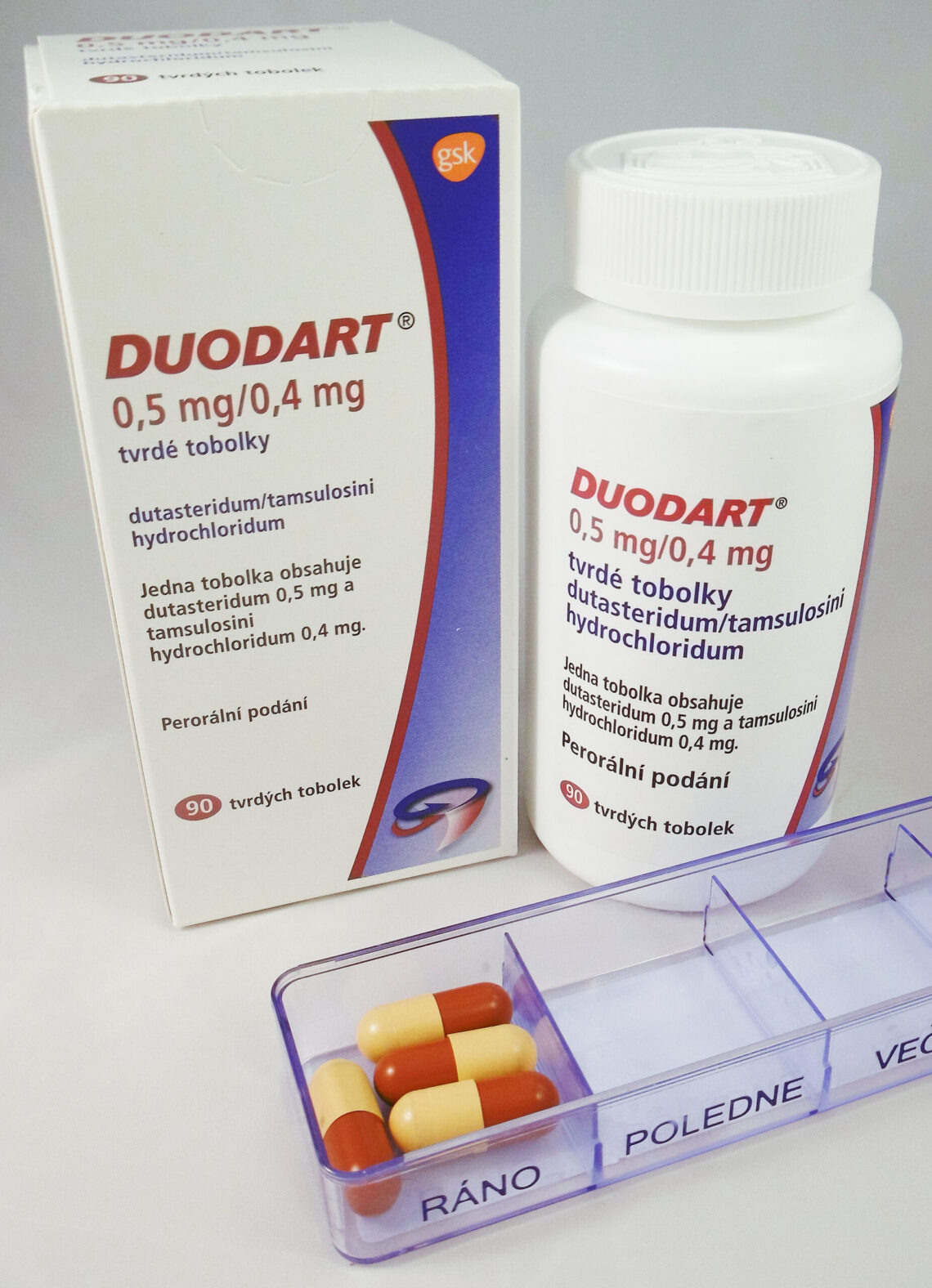
Topical Dutasteride as treatment for hair loss, as effective as oral?
Look, I'm gonna be honest. When I first heard about topical dutasteride, my first thought was: "Another miracle cure that will soon fail." After years of minoxidil lubricating, swallowing finasteride and trying all possible supplements, you become quite cynical about "revolutionary" hair loss treatments.
But three months ago I decided to see what was really behind this hype. And honestly? It's more complicated than I thought.
My Own Hair Story (For Everyone Has One)
I was 24 when I first noticed. Not dramatic, just... less hair in my crest. My dad got bald at 20, so I knew it was coming. Except you always think "it won't happen to me" until it does.
First I tried minoxidil. Sticky stuff, but it worked a little. When finasteride .. that worked better, but after a year I got... well, let's say my girlfriend noticed too. Not funny.
Then I heard about dutasteride. More powerful than finasteride, blocked more DHT. Sounded fantastic until I read the side effects. Worse than finasteride. So then topical dutasteride came along on Reddit and I thought, "Why not?"
CALCULATOR HAIR OUTLOOK
Find the optimal treatment based on your budget, situation and preferences 💊
Based on your specific situation and preferences
⚠️ Important Disclaimer
This calculator is for informational purposes only and does not replace professional medical advice. Effectiveness and costs can vary individually. Always consult a qualified doctor before starting a new treatment. The prices quoted are estimates and may vary by pharmacy and region.
Why Dutasteride Is Actually Logical (If You Understand How It Works)
Here's the thing: finasteride only blocks one type of enzyme that converts testosterone to DHT. Dutasteride blocks both types. It's like fixing a leaking tap . . . finasteride turns one tap off, dutasteride turns both taps off.
DHT is the culprit in male baldness. It makes your hair follicles get smaller and smaller until they finally stop producing her. Less DHT = less hair loss. Simple.
But oral dutasteride? It inhibits DHT throughout your body. Your hair will be saved, but the rest of your body will notice. And DHT does indeed have useful functions: libido, muscle building, general masculineness.
In theory, topical dutasteride would only affect your scalp. Sound too good to be true? That's what I thought.
What The Studies Say (And What They Don't Say)
I'm not a scientist, but I can read research. There have been some interesting studies:
A study in the Journal of the American Academy of Dermatology showed that topical dutasteride worked better than placebo. Surprise. But it also showed that it worked better than topical minoxidil, which is interesting.
Another study compared it to topical finasteride and topical dutasteride was the winner. Also logical, given the more powerful mechanism.
But here's the problem: most studies are small and relatively short. We're talking about 50-100 participants and 6-12 months of follow-up. That's not nothing, but it's not the final truth either.
And here's something that bothers me: Many of these studies are sponsored by companies that make topical dutasteride. Not necessarily bad, but something to keep in mind.
The Practice: How it is to use the Real
I've been using it for three months. Every night, after showering, I rub half a ml on my scalp. It smells like alcohol (because it's in it) and it feels sticky for the first 10 minutes.
First thing you notice: Your scalp is getting more sensitive. Not painful, but you feel it more. Sometimes a little itching, especially for the first few weeks. My pharmacy had already warned me.
After six weeks, I started getting shedding. Suddenly I lost more hair than usual. Panic! But everyone on the forums said this was normal. Weak hairs fall out to make way for stronger ones. Makes sense, but it's scary when it happens.
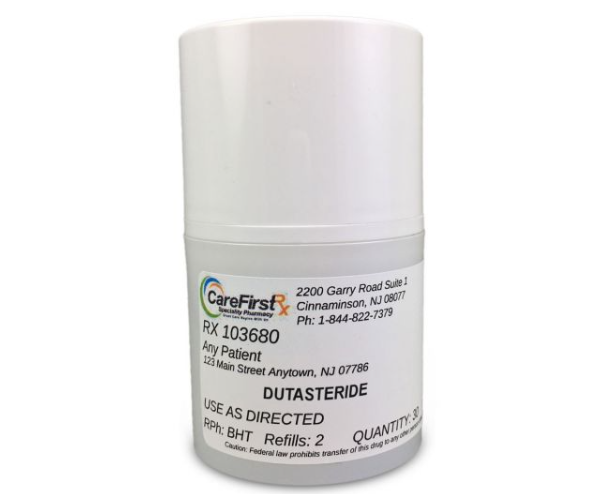
Now, after three months, I see... well, maybe a little more hair? It's hard to say. Hair growth is so slow you don't notice it from day to day. I take pictures every month, but even then it's subtle.
Costs: Yes, it's expensive.
Let's talk about money, because that's one thing. My pharmacy charges €85 per month for a 0.1% formulation. For comparison: generic finasteride cost me €15 a month.
€85 per month €1020 a year. That's holiday money. For something I'm not even sure is working.
But then I think about the hair transplant I should consider. €3000-8000, depending on how much hair you need. And then you can get more hair loss later.
Relatively €1,000 a year maybe not so crazy. But it does feel like you're being blackmailed by your own genetics.
The DIY Temptation (And Why I Don't)
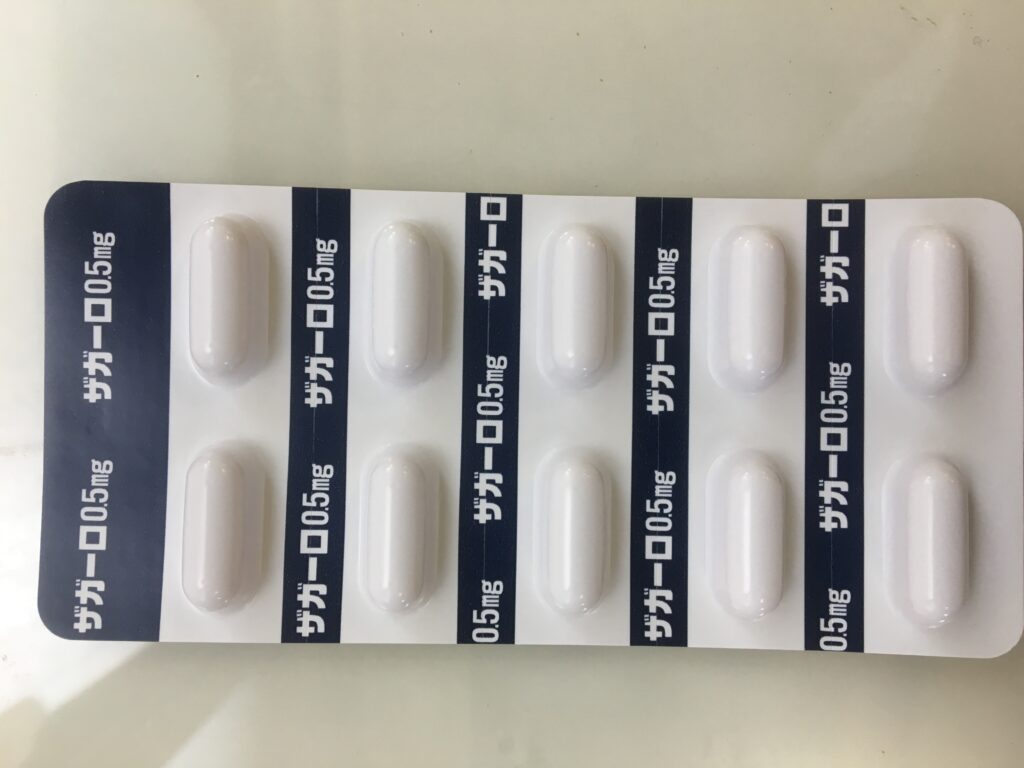
On forums you often see people saying, "I make it myself, much cheaper!" They buy dutasteride capsules, open them, mix them with ethanol or propylene glycol.
I understand the temptation. €85 per month versus maybe €20 for a homemade version.
But dutasteride is not a joke. The stuff is so potent that pregnant women can't even touch it. Wrong dosage can completely confuse your hormones.
Plus, professional formulations have stabilizers and penetration enhancers. They make sure the medicine doesn't break down and actually get into your skin. Homemade versions? Who knows what will happen?
So yes, I'll pay the €85 and hope it's worth it.
Side effects: Not As Very Oral, but Not Zero
Topical dutasteride is sold as "all benefits, no side effects." That's bullshit.
Locally, you usually get something. With me it was itching and light redness the first few weeks. It's okay, but it's noticeable.
Systemically, it's more complicated. Theoretically, there should be minimal absorption. Practical? I had my DHT levels measured after two months of use. They were 30% lower than before.
That means that there is systemic absorption. Less than oral dutasteride, but not zero.
Sexual side effects? So far, I haven't noticed, but it's still early. Some people on forums do report problems, albeit less than in oral versions.
Combinations: Because One Thing Apparently Not Enough Is
I don't use topical dutasteride alone. Hardly anyone does.
My current stack:
- Topical dutasteride (0.1%) evening
- Minoxidil 5% Morning
- Ketoconazole shampoo 2x/ week
- Microneedling 1x per week
Plus vitamins that probably don't do anything, but hey, placebo effect is also effect.
The logic: dutasteride inhibits DHT, minoxidil improves blood circulation, ketoconazole also has anti-androgenic properties, microneedling would improve absorption.
Is it all necessary? I don't know. But if you're already busy...
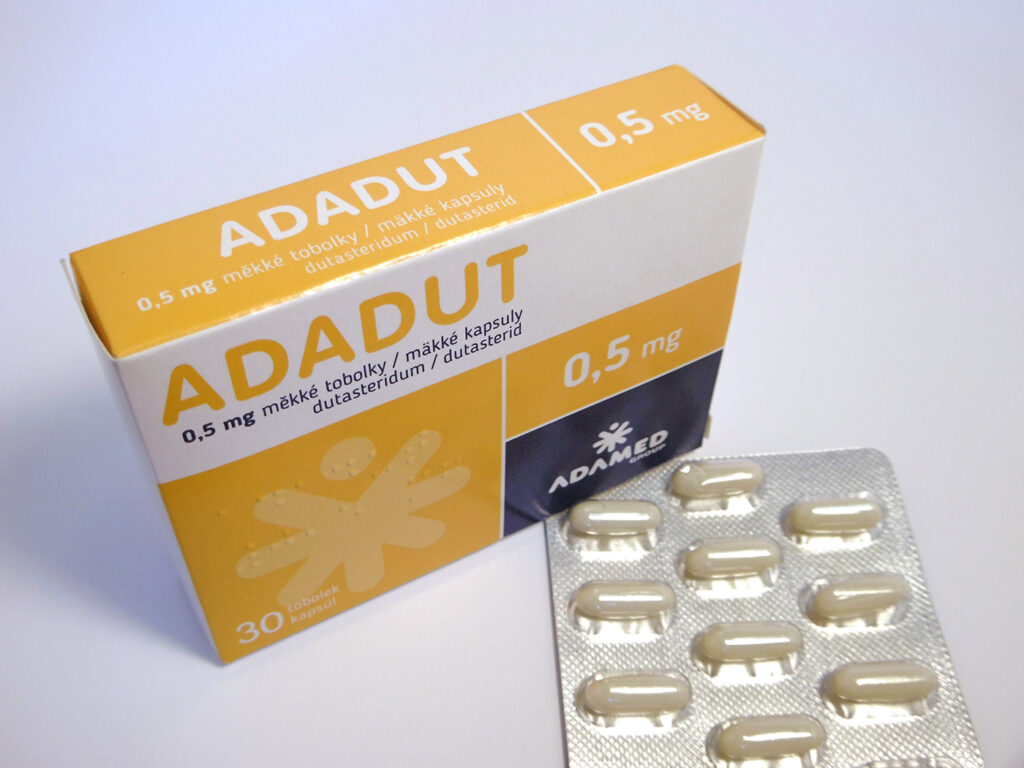
Zoom in to see the complete comparison effectiveness, cost & side effects.
Forums Vs. Science: Who's right?
Here's something funny: the hair loss community online often knows more about the latest treatments than most doctors. That's not necessarily good or bad, but interesting.
On Reddit, forums, Discord servers, every new study is discussed, every new treatment tried out. People share their experiences, photos, blood tests.
Doctors are more conservative. Understandably, they don't want to take risks with patients. But sometimes they just aren't aware of the latest developments.
My dermatologist had never heard of topical dutasteride when I asked. A compounding pharmacy three blocks away makes it daily.
The Reality Check: It's not a miracle cure.
After three months of use, I remained realistic. Topical dutasteride is not a magic bullet.
Yeah, it's probably more effective than topical minoxidil. Yeah, it probably has fewer side effects than oral dutasteride. But it is also more expensive, more difficult to obtain, and the long-term effects are still unclear.
I see it as an experiment. An expensive experiment, but an experiment.
If it works, great. If it doesn't work, it's a hair transplant or acceptance. Both are also great options.
What I've learned
Three months is too short to draw definitive conclusions, but here are my findings so far:
The good:
- No noticeable systemic adverse reactions (so far)
- Easy to apply
- Seems to slow my hair loss.
- Makes me feel like I'm doing something
The bad:
- Duration
- Uncertain about long-term effectiveness
- Local irritation in the beginning
- Still Systemic DHT Reduction
The ugly:
- €85 a month hurts my wallet
- The obsession with hair growth can become unhealthy
- Many uncertainties about dosage, formulation, quality
Who's it for?
Topical dutasteride is not for everyone. It's probably interesting if:
- You've had side effects from oral medication.
- You have budget for the costs
- You're willing to experiment
- You didn't find other treatments adequate.
It's probably not interesting if:
- You're satisfied with your current treatment.
- Your budget is limited
- You have no patience for slow results
- You're sensitive to skin irritation
My Plan Provisional
I'm gonna go on for at least nine months. A year seems like a reasonable test period. If I don't see any obvious improvement, I quit.
€A thousand to make sure it works seems reasonable. More than that will be expensive gambling.
Meanwhile, I keep following the scientific literature and reading other people's experiences. Who knows better options, or it turns out that topical dutasteride is indeed the breakthrough.
The Last Words
Hair loss sucks. Period. It affects your confidence, your dress choices, how you see yourself.
Topical dutasteride is an interesting development, but no guarantee. It can work, it can't work. It can be safe, it can have side effects.
What I do know is that pretending the problem does not exist is not a solution either. If you have the money and the willingness to experiment, why not?


You might like this too.

Amino acid complex against hair loss is it really working?

The Full Guide on Chemotherapy and Hair loss: What No One Tells You


