


Is L-Carnitine helping supplement to hair loss?
Are you tired of dealing with hair loss and thinning hair? It is time to try a new solution! Meet L-Carnitine, the nutrient that turns the hair world upside down. This amazing substance not only helps to increase your energy level, but it has also been shown to have a positive impact on your hair's growth and overall health.
Evidence of the efficacy of L-carnitine in the treatment of hair loss is limited and more studies are needed to fully understand the potential benefits and possible side effects. As with any supplement or treatment, it is important to talk to your doctor before starting use to make sure it is safe and suitable for you.
So you want to try L-carnitine as a solution to your hair loss? Well, brace yourself, because the research into the effectiveness of this amino acid is limited, so it's time to do some research! But don't worry, we'll make a nice trip. Ready to dive into the exciting world of L-carnitine and hair loss?
Let's get the wigs and hair extensions Lay down and embrace this new solution with open arms! Get ready to learn all about L-Carnitine and how it can help you reach new heights!
What is L-Carnitine?
L-Carnitine is a naturally occurring amino acid that occurs primarily in animal products such as red meat, poultry and dairy. It is also synthesized in the liver and kidneys from the amino acids lysine and methionine. L-carnitine plays a crucial role in the transport of fatty acids to the mitochondria for energy production.

It is often used as a dietary supplement for weight loss, more energy and better sports performance, although scientific evidence for these benefits is mixed. L-carnitine is also used for diseases such as heart disease, male infertility and type 2 diabetes, although more studies are needed to fully understand its effectiveness for these purposes.
What does research on l-carnitine say to hair loss?
L-Carnitine is an amino acid that has been the subject of various studies into its potential to improve hair growth and treat hair loss. Although the study of the effects of L-Carnitine on hair loss is limited, some studies suggest that it may help to improve hair growth and quality.
A study published in the International Journal of Trichology found that a topical solution with L-Carnitine improved hair density and thickness in Women with female hair loss. Another study, published in the Journal of Cosmetic Dermatology, showed that a solution with L-Carnitine, vitamins and minerals improved hair growth and thickness in men with alopecia androgenics.
A study published in the International Journal of Trichology in 2011 showed that applying a solution with L-carnitine to the scalp of people with hair loss resulted in an improvement in hair growth and thickness. However, this study was small and more research is needed to confirm these findings.
Another study, published in the Journal of Cosmetic Dermatology in 2015, found that L-carnitine locally applied to the scalp showed no significant improvement in hair growth in a group of women with hair loss.
In general, evidence of the effectiveness of L-carnitine in the treatment of hair loss is limited and more studies are needed to fully understand the potential benefits and possible side effects. As with any supplement or treatment, it is important to talk to your doctor before you start taking it, to make sure it is safe and suitable for you.
However, it is important to note that larger and more accurate studies are needed to confirm these findings. In addition, the effects of L-Carnitine on hair growth and hair loss may vary per individual.
What food does l-carnitine contain?
L-Carnitine occurs naturally in different nutritional sources, including:

1. Red meat, poultry and fish: Some of the highest concentrations of L-Carnitine are found in animal products, especially red meat such as beef and lamb.
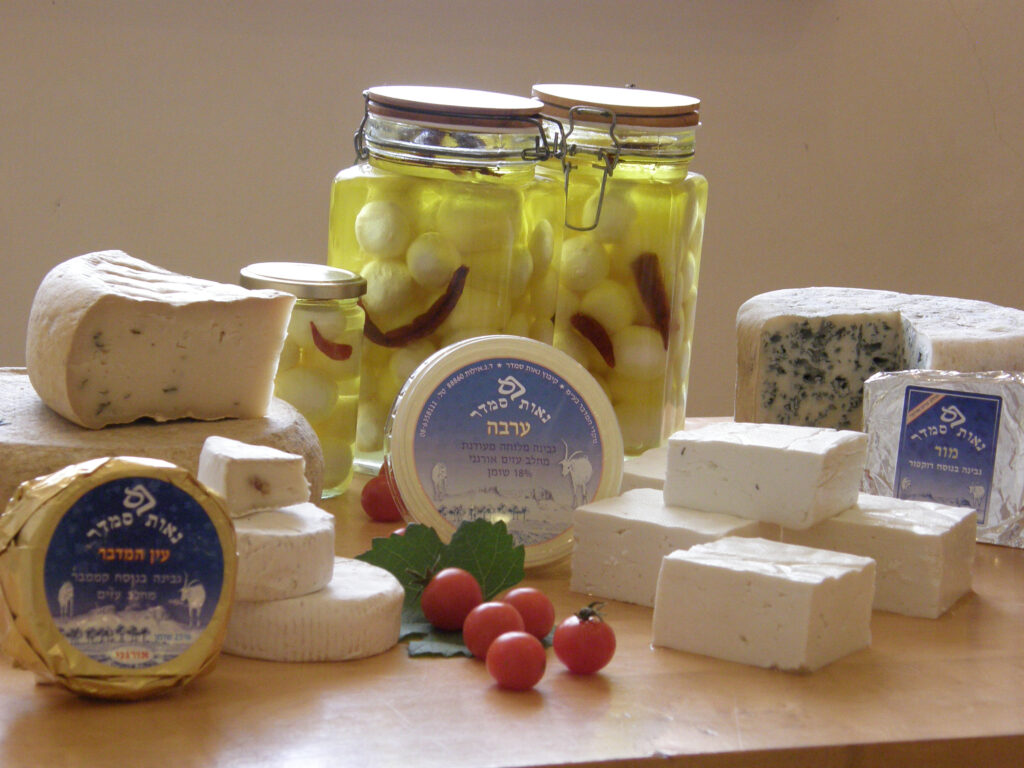
2. Dairy products: Milk, cheese and yogurt also contain small amounts of L-Carnitine.
3. Avocados: Avocados are a good source of L-Carnitine.
4. Nuts and seeds: Small amounts of L-Carnitine can be found in nuts and seeds, including almonds and sunflower seeds.
5. Whole cereals: Whole grains like oatmeal and brown Rice also contain small quantities L-Carnitine.
It is also available as a dietary supplement in the form of L-Carnitine tablets or capsules, which can be taken daily to increase levels of L-Carnitine in the body.
How to use L-Carnitine for hair loss?
L-Carnitine can be used in hair loss by various methods, such as topical application, oral supplementation or intravenous (IV) injections.
Local application: L-Carnitine can be applied directly to the scalp in the form of lotions, shampoos Or sprays. This method delivers L-Carnitine directly to the hair follicles, where it can stimulate hair growth.
Oral supplement: Another way to use L-Carnitine against hair loss is to take it orally as capsules or tablets. This method increases the general levels of L-Carnitine in the body, which can improve hair growth.
Intraveneuze (IV) injecties: In sommige gevallen kunnen IV-injecties van L-Carnitine worden aanbevolen door een gezondheidsdeskundige. Met deze methode kunnen hogere concentraties L-Carnitine direct in het bloed worden toegediend, waardoor de niveaus van L-Carnitine in het lichaam snel kunnen stijgen.
Conclusion
Hoewel L-Carnitine enige belofte heeft laten zien bij de behandeling van haaruitval, is er meer onderzoek nodig om de effecten ervan volledig te begrijpen en de effectiviteit vast te stellen. Het is altijd het beste om een arts te raadplegen voordat u met een nieuw supplement of behandeling voor haaruitval begint.
Carnitine kan bij haaruitval op verschillende manieren worden gebruikt, zoals topische toepassing, orale supplementatie of intraveneuze (IV) injecties.


You might like this too.

Does Maizena help with hair loss and can it make her fatter?

Why doesn't Finasteride work the same for everyone?


