

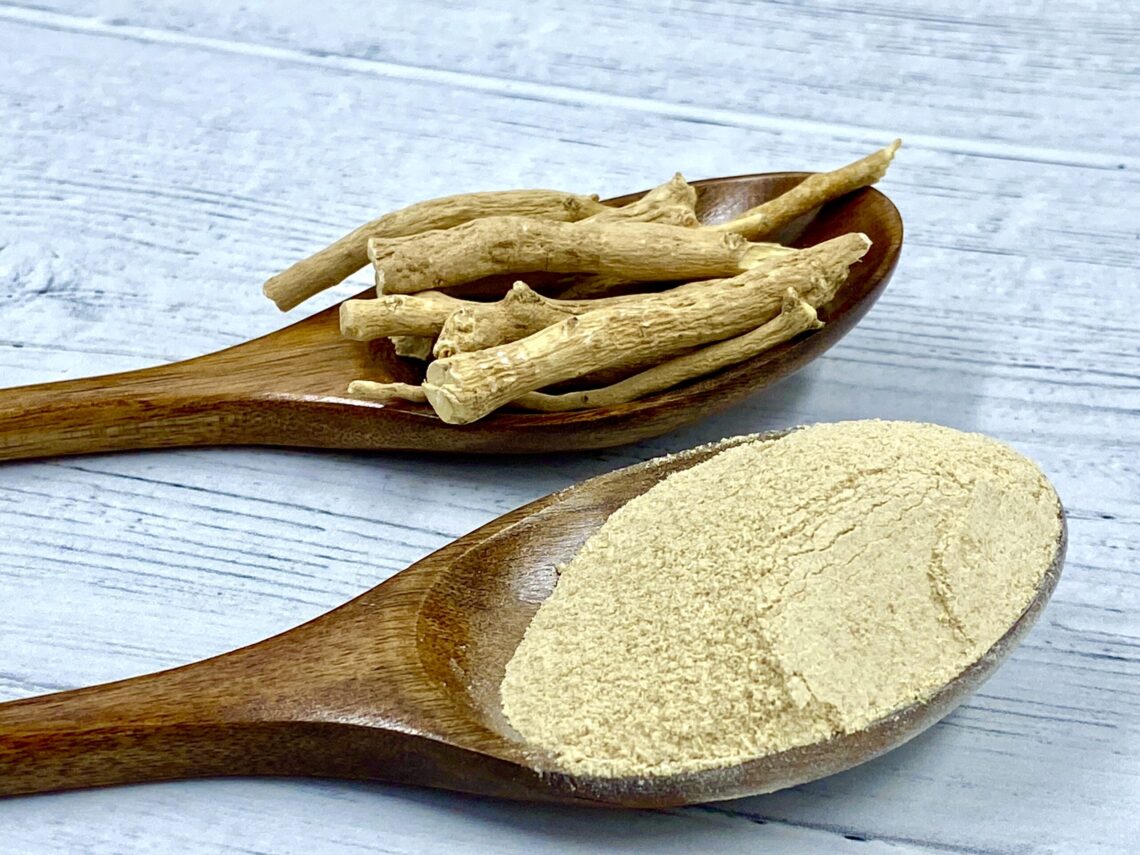
Ashwagandha & Hair loss: Friend or Enemy?
You're staring in the mirror. There it is again. More hair on your pillow. In your shower well. Everywhere.
Hair loss.
It could crush your confidence. And your search for solutions might lead you to ashwagandha .. that "miracle herb" that everyone's talking about.
But here's the question you really want to answer: Does it really help? Or is it making the situation worse?
Let's get the facts straight. No marketing talk. No false promises. Just the naked truth about ashwagandha and your hairdos.
Ashwagandha Hair Match Finder
Discover in 60 seconds whether ashwagandha is the right natural choice for your hair loss situation
What's the main cause of your hair loss?
Ashwagandha works best in stress-related hair loss
How do you usually respond to herbs and supplements?
Your sensitivity determines how effective ashwagandha can be for you
Do you experience stress or anxiety regularly?
Stress is a main cause of ashwagandha's immediate reaction
Do you suffer from inflammation on your scalp?
Ashwagandha has anti-inflammatory properties
What is your preference for treatment methods?
Your treatment philosophy determines how well ashwagandha suits you
Your Ashwagandha Suitability
🌟 Recommendations for You
Great! Ashwagandha seems like an excellent match for your hair situation.
Can you get hair loss from ashwagandha?
Let's drop the door in the house right away.
Short answer: No, ashwagandha doesn't normally cause hair loss.
In fact, traditionally this herb has been used for centuries to stimulate hair growth, not to counteract it.
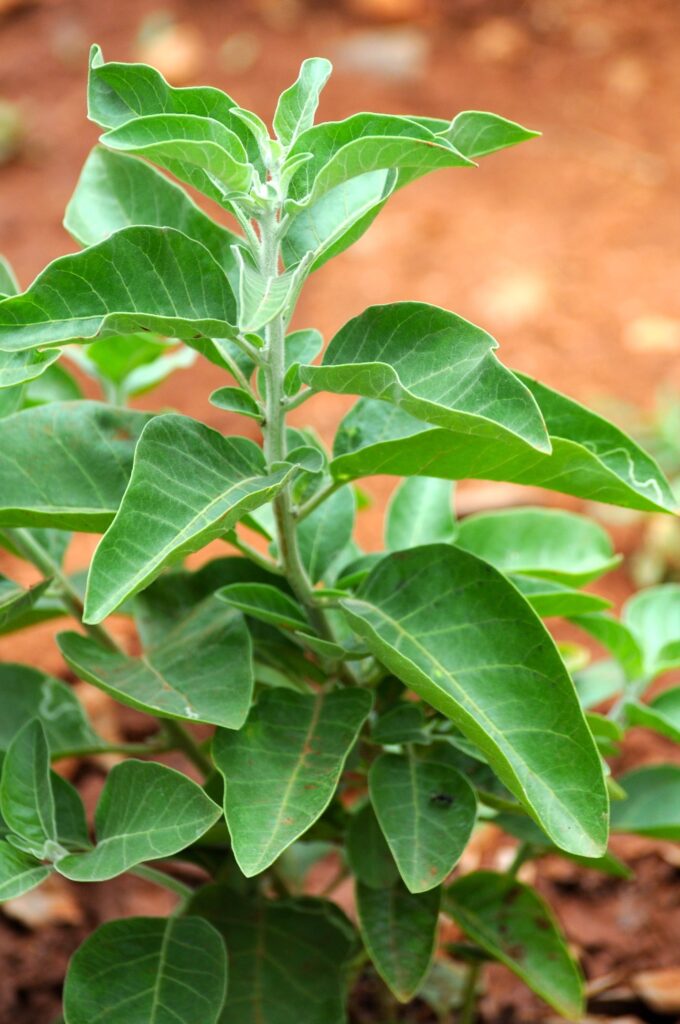
Ashwagandha, scientifically known as Withania somnifera, praised for its adaptogenic properties. This means it helps your body deal with stress. And let stress be like a known cause of hair loss.
Here's what we know:
- Ashwagandha helps to lower your cortisol levels (the stress hormone)
- It can improve blood circulation to your scalp
- It has anti-inflammatory properties that support healthy hair follicles
But wait a minute.
There are always exceptions. Some people do report hair loss after using ashwagandha. How is that possible?
When ashwagandha may cause hair loss
In rare cases, ashwagandha may cause hair loss due to:
- Allergic reactions . If your body sees it as a threat, inflammation reaction can damage hair follicles
- Hormonal shift Ashwagandha may affect thyroid function, which may indirectly alter hair growth patterns
- Detox effect . Sometimes starting new supplements causes a temporary "deterioration" before improvement occurs
It is crucial to understand: these reactions are the exception, not the rule.
What helps with extreme hair loss?
If you're struggling with severe hair loss, it's time for a structured approach.
Step 1: Identify the cause
Hair loss is usually a symptom, not a disease in itself. Possible causes:
- Hormone fluctuations (pregnancy, menopause, thyroid problems)
- Food shortages (iron, vitamin D, zinc, biotin)
- Stress and trauma (both physically and emotionally)
- Medication (certain antidepressants, blood thinners, cholesterol lowering agents)
- Genetic factors (male/female pattern baldness)
- Autoimmune disorders (alopecia areata)
Without addressing the cause, you only treat symptoms.
Step 2: Proven interventions
For extreme cases:
Medical treatments:
- Minoxidil (Rogaine) hindered hair follicles and prolongs the growth phase
- Finasteride (Propecia) hampered DHT, a hormone that shrinks hair follicles
- PRP Therapy (Platelet-Rich Plasma) • Use your own platelets to stimulate hair growth
- Hair transplantation for permanent solutions in severe baldness
Nutritional approach:
- Iron, biotin and zinc supplements (only in case of proven shortages)
- Omega-3 fatty acids for inflammation inhibition
- Collagen peptides for hair structure
- Full protein for building blocks of hair follicles
Lifestyle changes:
- Stress management (meditation, yoga, breathing exercises)
- Improved sleep hygiene
- Avoid heat and chemical treatments
- Soft hair care (less pulling, less washing)
Step 3: Natural supplements
And yes, here comes ashwagandha around the corner. But it's just one piece of the puzzle.
Ashwagandha works best against hair loss when stress is the main cause. By lowering cortisol, it creates an internal environment where she can thrive better.
Other natural options:
- Saw palmetto (blocks DHT similar to finasteride)
- Ginkgo biloba (improves microcirculation to scalp)
- Nettle root (rich in silica and minerals)
- Rosemarine oil (stimulates blood supply when applied topically)
Remember: Supplements work best as part of a holistic approach, not as a panacea.
Are there any negative side effects of ashwagandha?
Let's be honest, even the most sacred of herbs comes with risk dressings.
Ashwagandha is generally safe for most people, but side effects can occur. Knowledge of this protects you from unpleasant surprises.
Most common side effects
- Maag-darmklachten Olanzapine nausea, diarrhoea, stomach pain (take it with food to reduce it)
- Sleepiness Ashwagandha has soothing properties (take it at night if this is a problem)
- Droge mond Increased thirst
- Hoofdpijn • mostly mild and temporary
More severe concerns (less common)
- Thyroid stimulation live can be problematic in hyperthyroidism
- Blood pressure decreased Risk to people already on medicines
- Increased testosterone levels Men usually benefit from this, but may disrupt hormone balance in women
- Pregnancy and lactation Avoid use due to lack of safety studies
Who is Ashwagandha not suitable for?
Avoid ashwagandha if you:
- Pregnant or breast-feeding
- Autoimmune disorders (lupus, rheumatoid arthritis, etc.)
- Thyroid Overactivity
- Blood pressure lowering medication used
- Soon to undergo surgery (may be blood thinning)
Important warning: Ashwagandha can interact with different drugs. Always consult a doctor before you start, especially if you are taking medicines for thyroid, autoimmune, diabetes, blood pressure or immunosuppressants.
What's worsening hair loss?
Knowing what to avoid is often as important as knowing what to do.
Nutrition worsening hair loss
- Sugar and refined carbohydrates Odour causes inflammation and hormone fluctuations
- Alcohol Olympic extracts moisture and vitamins, disrupts hormone balance
- Large amounts of caffeine Oxirane may hinder iron uptake
- Transfats Odor imbalance and worsening inflammation
- Very low protein diets The hair needs amino acids to grow
Lifestyle factors worsening hair loss
- Chronic stress Olanzapine increases cortisol, which pushes hair follicles into rest phase
- Sleep deprivation Occurrence disrupts hormone production and cell repair
- Excessive or aggressive hair styling Heat, chemicals, tight hairstyles
- Jojo diets Rapid weight changes disrupt nutritional status
- Smoking Difficulty in blood supply to the scalp
Medical conditions to be checked
- Thyroid disorders Oxidation, both hyperthyroidism and hypothyroidism
- PCOS female
- Vitamin D deficiency . . often unnoticed, essential for hair follicles
- Iron deficiency and anaemia Oxidation reduces oxygen to hair follicles
- Chronic inflammation The body is detected to slow down non-essential processes such as hair growth
Sometimes simply avoiding these triggers is more effective than any supplement.
How to use ashwagandha effectively for hair growth
If you decide to try ashwagandha for your hair, do it right.
Taking for optimal results
Dosages:
- Root powder: 450-2000 mg daily (beginning low, build on)
- Extract (default at 5% withanolides): 125-500 mg daily
- Tincture: 2-4 ml, 2-3 times a day
Timing: Divide over the day or take evening sleep (may cause somnolence).
Duur: Give it time! Results don't come in a week. Expect at least 8-12 weeks of consistent intake for noticeable results.
Topical applications
Interestingly, ashwagandha can also be applied directly to the scalp.
DIY scalp Serum:
- 1 tablespoon ashwagandha powder
- 3 tablespoons coconut oil or almond oil
- 5 drops of rosemary essential oil
Mix, heat slightly, massage into the scalp, leave 30-60 minutes, wash out.
Frequency: Twice a week for optimal results.
Synergy combinations
Ashwagandha often works better in combination with other ingredients:
- Brahmi (Bacopa monnieri) Other adaptogen supporting cognition and hair growth
- Amla (Indian gooseberry) Rich in vitamin C, enhanced hair follicles
- Bhringraj (Eclipta alba) Traditional Ayurvedic herb specific to hair
- MSM (methylsulfonylmethane) hampered keratin in hair
Scientific research: What do we really know?
Let's be honest: the science behind ashwagandha and hair growth is still developing.
Most evidence is either anecdotal or based on animal models. One study in the Journal of Ethnopharmacology showed that topical ashwagandha extract improved hair growth in mice, but human clinical trials are limited.
Here's what we do know:
- Stress hair loss connection . Cortisol forces hair follicles in the teal (rest) phase, leading to failure. Ashwagandha's ability to reduce cortisol is well documented.
- Inflammation inhibition Chronic inflammation damages hair follicles. Ashwagandha contains withanolides with proven anti-inflammatory properties.
- Antioxidant protection . Free radicals damage hair follicles. Ashwagandha's rich antioxidant profile can help neutralize this damage.
But there are also gaps in our understanding:
- Very few studies in people specifically focused on hair loss
- Unclearness about optimal doses for hair growth
- Limited evidence for long-term effects
The reality: What can you really expect?
Let's get to the point. What can you realistically expect if you use ashwagandha for hair loss?
Probable results:
- If stress is your problem: Remarkable reduction in hair loss within 2-3 months
- For general hair enhancement: Glosser, stronger hair that breaks less quickly
- For hair density: Subtle improvement over 3-6 months, not dramatic
Improbable results:
- Regrowing hair in completely bare spots
- Fast, dramatic results within weeks
- Full reversal of genetic baldness
This is not a miracle cure. It is a supportive supplement that works best as part of a broader plan.
The holistic approach: Combine for success
The most effective strategy combines multiple approaches:
- Food first . Provide sufficient protein, iron, zinc, biotin, vitamin D
- Stress management . This is where ashwagandha really shines
- Soft hair care . Minimize heat, traction and hard chemicals
- Targeted supplements . Including ashwagandha for specific mechanisms
- Medical treatment if necessary . Do not be afraid to seek professional help
Conclusion: Is ashwagandha worth a try?
After everything we've discussed, it comes down to this:
Ashwagandha typically doesn't cause hair loss. It generally helps to fight it, especially in stress-related failure.
Yeah, there are side effects to take into account. And no, it won't work miracles for everyone.
But for many it offers a natural, relatively safe option that fits well into a broader hair health strategy.
Best advice? Listen to your body. Start at a low dose. Be patient. And always consult a health care provider, especially if you are taking medications or have underlying health problems.
Hair loss is a journey, not a quick solution. With the right knowledge and expectations, you can make informed decisions about what is best for your unique situation.
And remember: You're more than your hair.
Disclaimer: This Article is intended for information purposes only and does not replace professional medical advice. Always consult a qualified healthcare professional before starting new supplements or treatments for hair loss.


You might like this too.

Do soy products contribute to hair loss?

No more inlets through Finasteride and Minoxidil combo!


