

Is the spiral the cause of your hair loss?
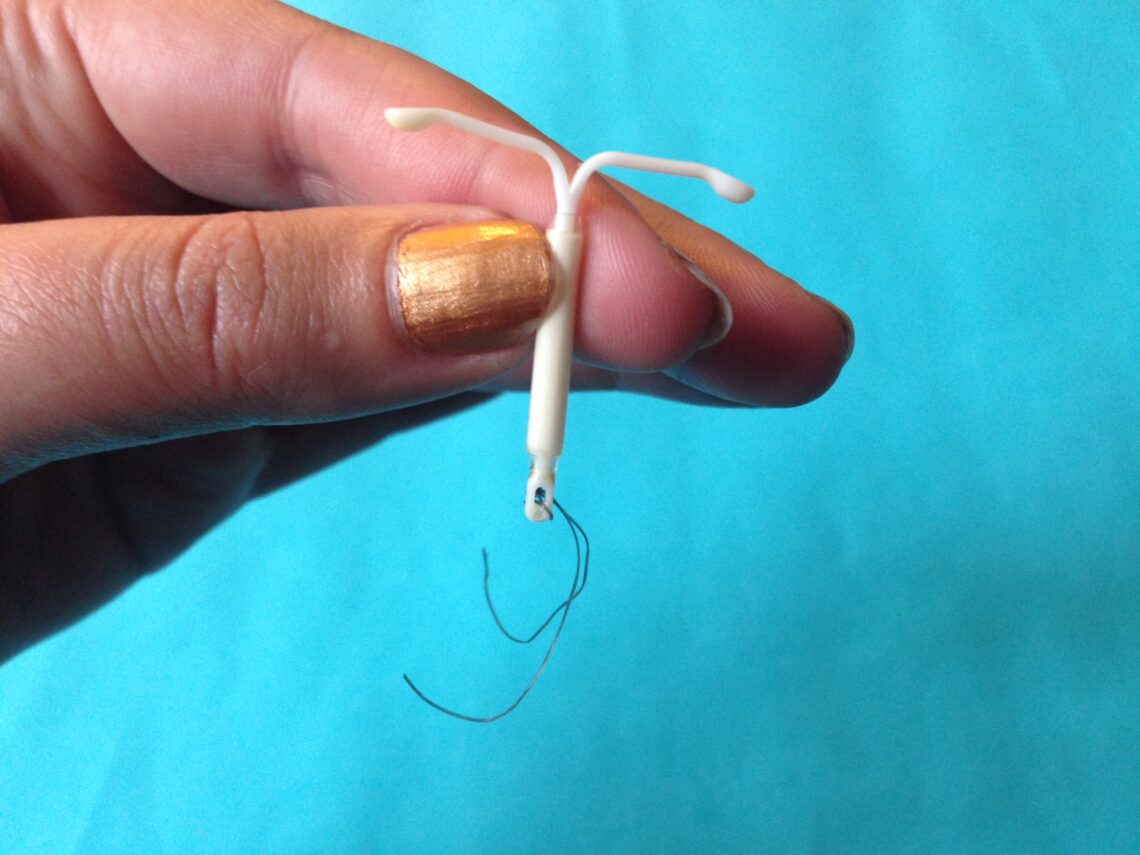
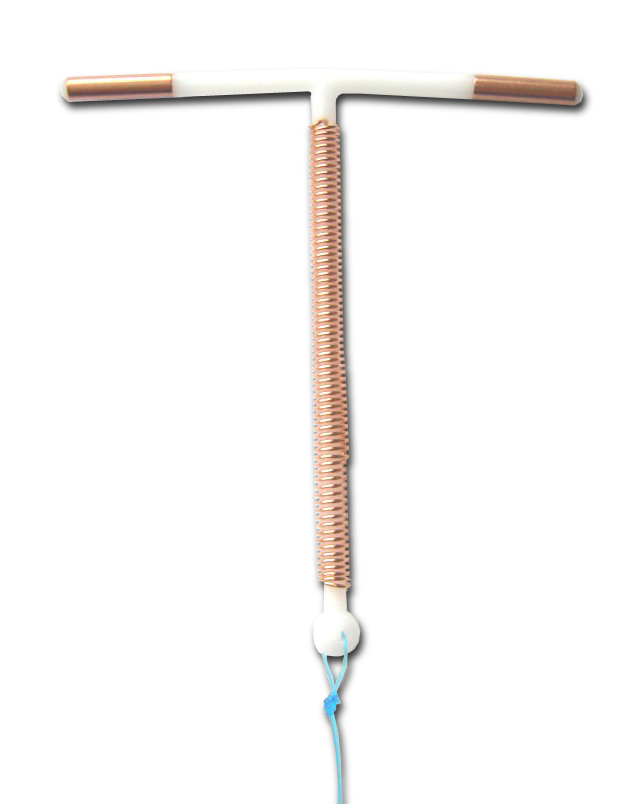
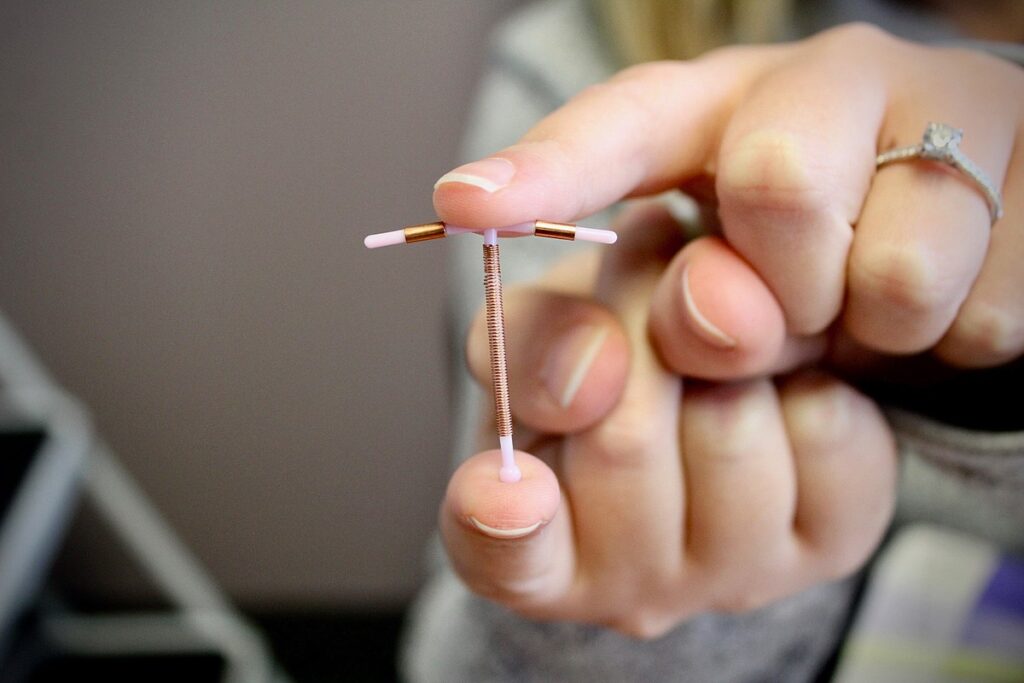
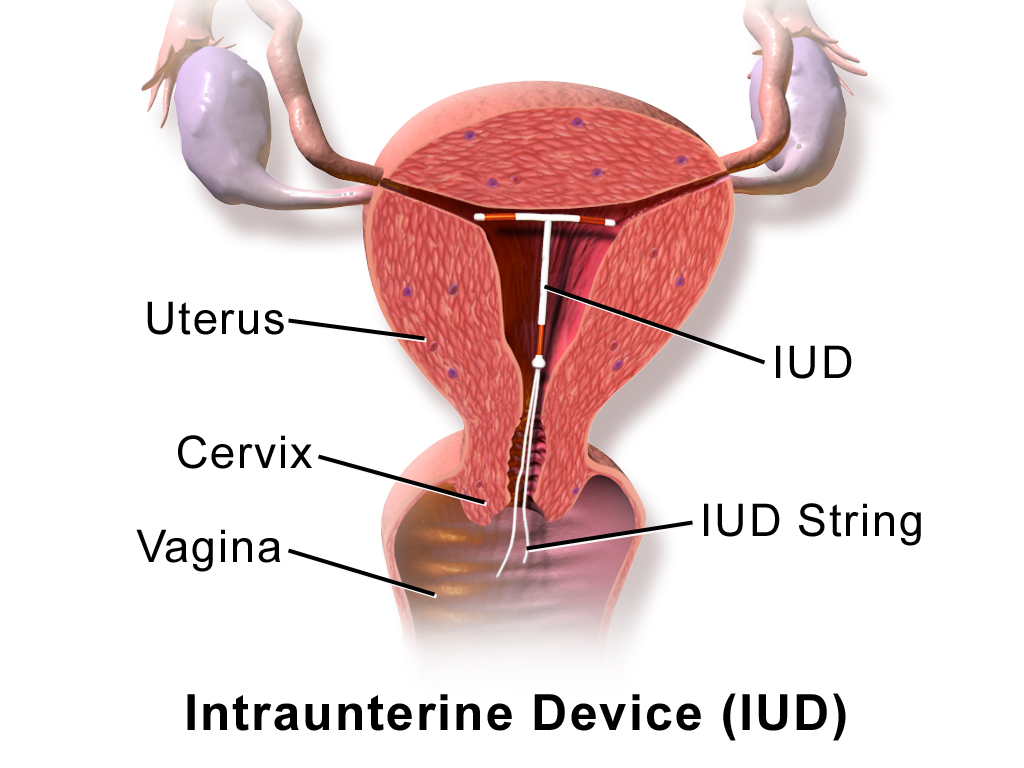
A spiral is a popular form of long-acting birth control that is inserted into the uterus to prevent pregnancy. Although spirals are generally considered safe and effective, some women have reported experiencing hair loss after getting a spiral. This has led to many wondering whether there is a link between spiral and hair loss.
Hair loss is a common problem for many women, which can occur for various reasons. Although hormonal imbalances and genetics are often the most common causes of hair loss, some studies suggest that spirals can also contribute to hair loss. However, the precise relationship between spirals and hair loss is not well known.
In this article we investigate the relationship between spirals and hair loss and study scientific research to determine whether there is a connection. We study the theories behind hair loss due to spirals, including hormonal changes, nutritional shortages and stress.
We also look at the scientific research on this subject, including studies that have investigated the prevalence of hair loss in women with spirals and the effectiveness of treatments for both hair loss and symptoms of the spiral.
What is the theory behind hair loss from spirals?
1. Hormonal changes: Illustration by releasing hormones in the body that prevent pregnancy. These hormones can cause changes in the levels of other hormones in the body, such as estrogen and progesterone, which in turn can affect hair growth. Some women are more sensitive to these hormonal changes than others, which may explain why some women experience hair loss while using a spiral.
2. Food shortages: Certain nutrients, such as iron and zinc, are important for healthy hair growth. If a woman's body does not get enough of these nutrients, this can lead to hair loss. Some women are at greater risk of a lack of nutrients during the use of a spiral, as the device can cause heavier menstrual bleeding, which can lead to iron loss.
3. Stress: Stress can affect the body in many ways, including hair growth. Some women may experience stress during the use of a SPIRALET, either due to the input process or concerns about the effectiveness of the device, which may contribute to hair loss.
What does scientific research say about hair loss from spirals?
Several studies have investigated the relationship between spirals and hair loss. Some studies have found a link between the use of a spiral and hair loss, others have not.
A study published in the Journal of Dermatology in 2017 found that women using spirals had a higher prevalence of hair loss than women using other forms of birth control. The researchers suggested that the hormonal changes caused by the spiral could contribute to hair loss.
However, a study published in the Journal of the American Academy of Dermatology in 2020 showed that evidence of a link between spiral and hair loss was limited and unconvincing. The review noted that many women who reported hair loss while using a spiral also reported other symptoms, such as acne and weight gain, which could be related to the hormonal changes that cause the device.
What can you do to prevent hair loss through an inserted spiral?
If you experience hair loss while using a spiral, there are several solutions that can help to control your symptoms and promote healthy hair growth.
1. Switch to another form of birth control: If you suspect that your hair loss is related to your spiral, it may help to switch to another form of contraception. Talk to your doctor about the possibilities.
2. Food supplements: Taking food supplements, such as iron and zinc, can promote healthy hair growth. Discuss with your healthcare professional whether supplements are suitable for you.
3. Haircare: Good hair care is important for healthy hair growth. This includes using soft, odor-free shampoos and conditioners, avoiding heat styling tools, and minimising pulling and tension on the hair (such as tight hairstyles).
4. Medical treatments: If your hair loss is severe or does not improve with other measures, medical treatments such as minoxidil (Rogaine) or finasteride (Propecia) may be effective. These medicines promote hair growth and prevent further hair loss. However, they have potential side effects and should be used under the supervision of a healthcare professional.
What other causes of hair loss could be?
Although Mirena may be the cause of your hair loss, it is crucial to investigate other possible causes. Some common factors associated with hair loss are:
Hair loss may be frustrating and worrying, but there are many potential causes to consider. Here are some possibilities:
. Your hair loss may be due to a medical condition such as an autoimmune disease or a thyroid problem.
. Food shortages can also cause hair loss. Thus insufficient iron or protein in your diet can contribute to thinning hair.
Some medicines or medical treatments, such as chemotherapy, may cause hair loss as a side effect.
. Also hormonal changes, such as during pregnancy or menopause, can lead to hair loss.
Stress may affect the health of your hair and lead to thinning or falling out.
. Overworking your hair with aggressive chemicals or heat styling tools can lead to fracture and hair loss.
Genetics also plays a role in hair loss. If your relatives suffer from hair loss, you may also have a predisposition to it.
Some hairstyles, such as tight braids or ponytails, can pull your hair and cause damage.
Conclusion
The link between spirals and hair loss is still the subject of discussion in the medical world. Although some studies suggest a possible relationship between the use of certain types of spirals and hair loss, there is no definitive evidence to support this claim.
It is important to note that hair loss may have several causes, including genetics, hormonal imbalances, medications and underlying health conditions. It is therefore important to consult a doctor to determine the underlying cause of hair loss and to develop an appropriate treatment plan.
In short, although there are reports of spirals causing hair loss, more research is needed to establish a clear link. Women who are concerned about hair loss or other side effects of using a spiral should discuss this with their doctor.


You might like this too.

Is there a connection between calcium deficiency and hair loss?

No more balding crown by Topical Finasteride, Minoxidil and Dermarolling!


