All about postpartum hair loss! Can you stop it?
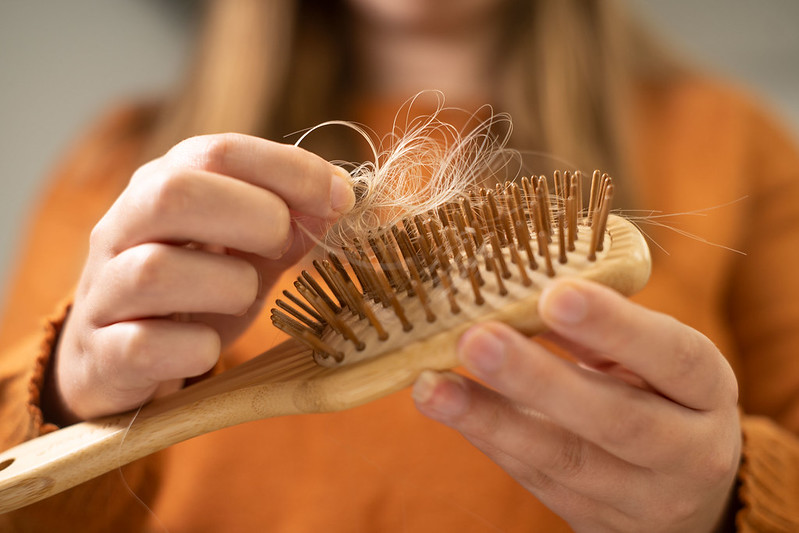
You're in front of the mirror. Brush in hand.
And then you see: picking her out. Much more than usual.
Panic? Absolutely understandable. But also completely unnecessary.
Postpartum hair loss affects more than 50% of all new mothers.
The good news? You're not alone and there are solutions.
Let's dive into what really works. 👇 This video from Dr. Kopelman Explain it very clearly.
Hair loss After Childbirth: Experiences You Recognize
"You scared the hell out of me when I found her handful of hands in my shower box."
"Every time I brushed? Small pet created" . . Emma, 28
"My husband noticed it first on "Ow, baby, your hairline?" Judith, 35
Sound familiar? You're not alone.
Most mothers notice around 3-6 months after childbirth that their hair massively blows the retreat.
Just when you thought you had done the worst!
What you're probably seeing:
- Full brushes after one comb ❌
- Hair on your clothes, everywhere in the house 🧹
- Thinning hairline 😳
- More visible scalp 👀
- Change in hair texture (sometimes curly or styler)
- Broker hair that splits faster
Why this is normal: During pregnancy? Hormones keep your hair growing. After childbirth? Hormones fall = all that extra hair falls out simultaneously.
Hard truth: Normal hair loss = 50-100 hair per day Postpartum hair loss = up to 400 hair per day
After Pregnancy: When You Must Interrupt
Little thin spots? ✅ Normal.
Big bald spots? ⚠️ Time for action.
About 60% of mothers experience diffuse hair loss (over the whole head). But real bald spots? That could indicate something else:
- Alopecia areata: Round bald spots that suddenly appear
- Traction alopecia: By tight hairstyles or constantly tying hair
- Nutritional deficits: Iron deficiency = hair loss
- Thyroid problems: Often missed by new mothers
- Stress overload: Chronic stress = more outage
- Autoimmune reactions: Sometimes triggered after childbirth
Alarm signals requiring help: 🚨 Bald spots larger than a 2-euro coin 🚨 Painful/red scalp 🚨 Crust or blistering 🚨 Hair loss over 12 months 🚨 Extreme fatigue or weight fluctuations
Do you recognize this? Call your doctor. Right away.
Postpartum Hair loss Vitamins: What Really Works
Walk into the vitamin store and buy everything that promises "hair, skin and nails"?
Stop! 🛑
Not all supplements are equivalent. Here are the options that really work:
Top 5 proven supplements:
- Iron 💪
- Why: Essential for hair growth
- When: Especially after blood loss during childbirth
- How much: 30-60mg per day
- Pro tip: Take with vitamin C (no calcium)
- Biotin 🌱
- Why: Builds keratin for stronger hair
- How much: 2500-5000mcg per day
- Result: Stronger hair follicles + new growth
- Vitamin D ☀️
- Why: 70% new mothers are short!
- How much: 1000-2000 IU (after blood test)
- Operation: Activates sleeping hair follicles
- Omega-3 🐟
- Why: Reduces inflammation, nourishes follicles
- How much: 1000-2000mg per day
- Bonus: Also helps with postpartum depression
- Zinc ⚡
- Why: Builds hair proteins, restores tissue
- How much: 15-30mg daily
- Warning: Too much = copper deficiency
Secret weapons no one knows:
- Silicone: strengthens existing hair
- L-lysine: improves iron absorption
- Ashwagandha: balances hormones + reduces stress
First this! → Blood test before you buy supplements. Why? Targeted approach = better results.
Shampoo Against Hair loss After Pregnancy: What Works (And What Doesn't)
The perfect shampoo doesn't solve your hair loss. Let's be honest about that.
But the right choice can help.
Search for these ingredients:
- Caffeine (stimulates the hairroot)
- Ketoconazole (anti-fungal, helps with healthy scalp)
- Biotin and amino acids (building blocks for new hair)
- Zinc pyrithione (calms an irritated scalp)
- Rosemary extract (proven as effective as Minoxidil in studies)
- Salicylic acid (removes dead skin cells that block pores)
- Peptides (promoting cell growth and hair follicle health)
- Niacinamide (improved scalp circulation)
Avoid these ingredients:
- Sulphates (strips of natural oils)
- Silicones (blocking nutrients)
- Synthetic fragrances (irritating the scalp)
- Parabens (may exacerbate hormonal imbalance)
- Formaldehyde-giving preservatives (harmful to follicles)
- Synthetic dyes (may exacerbate allergies)
Brand suggestions:
- Ducray Anaphase+ (available from pharmacy)
- Kérastase Genesis (salon quality)
- Phyto Phytocyanone (natural ingredients)
- Aveda Invati Advanced
- Briogeo Blossom & Bloom (without harmful substances)
- The Ordinary Multi-Peptide Serum
Effective scalp treatment regimen:
- Pre-wash scalp scrub (1x per week) hindered buildup
- Specific shampoo for hair loss (2-3x per week)
- Nourishing conditioner only on points
- Leave-in hair growth serum or tonic
- Weekly nourishing hair mask with proteins
The truth about expensive brands: Research shows that the active ingredients are more important than the price tag. A mid-range product with the right ingredients often works better than a luxury brand without proven active substances.
Hair loss After Pregnancy Prevention: Fair Truth
The hardest thing to accept?
You can't completely prevent postpartum hair loss. It's a natural process.
But you can reduce the impact:
Before you like it:
- Build a "her-healthy" food reserve
- Consider a shorter hair style that is less heavy
- Inform yourself so you're prepared
- Start a habit of soft hair care
- Fill food shortages prior to birth
- Make a plan for self-care after childbirth
- Start strengthening your hair months before birth
After delivery:
- Careful hair care (less washing, soft brush)
- Avoid heat styling
- Take a multivitamin especially for after birth
- Keep taking prenatal vitamins after consulting your doctor
- Use a satin pillowcase (reduces friction and fracture)
- Invest in hair products with nourishing ingredients
- Limit stress by accepting help where possible
- Protect your hair from sun and chlorine
Styling tricks to camouflage thinner hair:
- Root increase in volume
- Dry shampoo for more texture and lift
- Lighter hair colors make thinner hair less striking
- Layered hairstyles give an illusion of volume
- Zigzag separations hide a thin scalp
- Hair fibers (such as Topcock) for temporary coverage
- Accessories such as headbands and scarves for bath hair days
Manage expectations: Your hair will come back, but it may take a year to get your old fullness back. In the meantime, focus on health instead of aesthetics.
Hair loss After Pregnancy and Breastfeeding: The Link
"But I'm breast-feeding, shouldn't that help?"
The answer is more complicated than you think.
Breast-feeding keeps some hormones at levels, but not the ones that affect your hair most. In fact, some mothers notice more hair loss after breast-feeding.
What you need to know:
- Breast-feeding does not prevent hair loss
- Some women only experience breakdown after breast feeding.
- Nutrition deficits during breast-feeding may worsen hair loss
- Additional calories and nutrients are needed during lactation
- Hormone shifts after breast-feeding may cause a second wave of hair loss
- Prolactin may affect the effects of other hormones on hair
- Dehydration during lactation may delay hair growth
The scientific perspective: Research shows that women who breast-feed longer sometimes experience delayed but less intense hair loss. The reason? The more gradual hormone changes compared to sudden discontinuation.
Practical tips during breastfeeding:
- Drink extra water (2-3 liters per day)
- Eat extra proteins (75-100 grams per day)
- Consider a DHA supplement (good for you and your baby)
- Discuss with your doctor if you can continue taking prenatal vitamins
- Note specific shortages that occur more frequently during breast-feeding (iron, zinc, B12)
- Schedule additional resting moments (sleep deprivation worsens hair loss)
- Use a scalp blood spray to improve circulation
If you stop breast feeding:
- Be prepared for possible new hair loss
- Increase iron intake to supplement reserves
- Focus on hormone balancing nutrition (healthy fats, complex carbohydrates, lean proteins)
- Give your body time to customize at least 3 months
Painful scalp and hair loss After Pregnancy: Hidden Problem
Does your scalp burn? Does it feel like you're hurting her?
This unspoken symptom affects many new mothers.
A painful scalp during hair loss may indicate:
- Hormonal shifts affecting sebum production
- Increased scalp sensitivity
- Inflammation reactions in the hair follicles
- Reactivation of scalp conditions such as seborrhoic dermatitis
- Increased tension on remaining hairs
- Change in scalp pH
- Bacterial or fungal growth due to hormonal changes
Most commonly reported symptoms:
- Burning sensation at the hairline or crown
- Tintings that come and go
- Increased sensitivity to touch
- Itching without visible flak
- The feeling that the hair "pulls" on the scalp
Which helps with a painful scalp:
- Cool washing with chamomile tea or aloe vera
- Head massage with a few drops of lavender oil mixed with coconut oil
- Less frequent washing (2-3 times per week)
- Anti-inflammatory nutrition (omega-3, turmeric, ginger)
- Applelazin rinse (1 part vinegar, 3 parts water) to restore pH
- Mild shampoos without irritants
- Cold compresses in acute pain
- Hydrocortisone cream 0.5% (short-term and only after consultation with doctor)
- Peppermint oil diluted with jojoba (cooling effect)
Avoid altogether:
- Hot showers or high temperature hairdryers
- Tight hairstyles pulling hair
- Chemical treatments such as paints or permanents
- Hard brushes or many combs in case of pain
- Alcohol products that dry out the scalp
When seeking medical help: If the pain persists or is accompanied by redness, scaling or blisters, consult a dermatologist.
Natural Remedies That Real Work
Results without side effects? Yes, please!
These natural approaches have shown real results:
1. Rosemary Stimulation
- Mix 5 drops of rosemary oil with 1 tablespoon of coconut oil
- Gently massage into your scalp
- Leave 30 minutes and wash out
- Operation: Improves blood circulation and stimulates hair follicles
- Research result: Rosemary oil performed as well as 2% minoxidil in a 6-month study
2. Food Boost Specific Plan
- Morning: Pumpkin seeds in yoghurt ( zinc + proteins)
- Lunch: Egg and salmon salad (iron + omega-3 + biotin)
- Snack: Almonds and berries (vitamin E + antioxidants)
- Evening: Sweet potato with chicken (betacarotene + proteins)
- Extra: Dark chocolate 70%+ cocoa (circular polyphenols)
3. Head massage Advanced Routine
- 5 minutes each evening with specific technique:
- Start sleeping with circular movements
- Work upwards to the crown
- Pressure with medium intensity (not too soft, not too hard)
- Focus extra time on thinning areas
- Finish with soft tapping movements with fingertips
- Operation: Improves blood supply to follicles by up to 54% according to Japanese study
4. Herbal infusions for Internal Balance Sheet
- Netel tea: Rich in minerals and reduces DHT (hormone that promotes hair loss)
- Hibiscus tea: Rich in antioxidants and alpha-hydroxy acids
- Bamboo tea: Natural source of silica for hair strength
- Dosage: 2-3 cups per day, varied between herbs
- Tip: Allow herbs to draw 10+ minutes for maximum nutrients
5. Stress management Mini practices
- Microdoses self-care (even 5 minutes helps)
- 4-7-8 breathing during feeding moments (4 seconds breathing, 7 seconds holding, 8 seconds breathing out)
- 2-minute meditation during baby naps
- "Box breathing" in stress: 4 count in, 4 count holding, 4 count out, 4 count waiting
- Operation: Decreases cortisol that can worsen hair loss
6. Holistic Treatments with Potential
- Acupuncture focused on scalp (1x per week, 6-8 weeks)
- Gua sha massage for lymphatic drainage (can be done at home)
- Ayurvedic scalp oils such as Bhringraj or Brahmi
- Cold laser therapy (proven effect in some forms of hair loss)
Scientific note: Although not all natural remedies have been extensively scientifically tested, many of them have promising preliminary results. The benefit is the minimal risk of side effects.
The Great Picture: Hormones And Your Hair
Your body just ran a marathon.
42 weeks of pregnancy, birth, and now the challenging postpartum period.
The hormone game:
- Estrogen: High during pregnancy (less hair loss), collapse after delivery
- Progesterone: Fluctuates and influences sebum production
- Cortisol: Increased by sleep deprivation, worsening hair loss
- Thyroid hormones: May become disturbed after pregnancy
- Prolactine: High during breastfeeding, affects other hormones
- Androgens: May be relatively increased after delivery
- Insulin: Fluctuations affect hair growth and hormone balance
The hormonal cascade after childbirth:
- Estrogen and progesterone drop dramatically within 24 hours after delivery
- Prolactine increases in breast-feeding mothers
- Thyroid hormones fluctuate and may become temporarily disturbed
- Cortisol responds to stress, sleep deprivation and physical recovery
- Insulin sensitivity slowly recovers to pre-pregnancy levels
Hormonal recovery phases:
- Month 1-3: Acute adjustment phase, onset of hair changes
- Month 3-6: Peak of hair loss due to earlier hormonal shifts
- Month 6-12: Gradual standardisation and start of new hair growth
- Month 12+: Full reset to your new "normal" state
Important: Have your thyroid checked if hair loss persists. Postpartum thyroid problems (both hyperthyroidism and hypothyroidism) occur in 5-10% of women after delivery. Many cases are missed because symptoms overlap with normal postpartum experiences.
Restore Timeline: What To Expect
You know what the hardest part is? The waiting.
But there is light at the end of the tunnel:
First weeks of childbirth:
- Hormones are starting to change
- Usually no noticeable hair loss yet
- Possible change in scalp production (dryer or fatter)
3-6 months after birth:
- Peak hair loss . . .
- You can lose up to 400 hairs a day (versus normal 100)
- Hairline can be visibly thinner
- Some women experience change in hair texture
6-9 months after birth:
- Little baby hairs begin to grow back around your hairline
- Total loss begins to decrease
- These new hairs can have a different texture (often curly)
- Possible still increased scalp sensitivity
9-12 months after birth:
- Significant improvement in hair volume and density
- New hairs are starting to get length
- Texture begins to stabilize
- "Halo" of short new hair around the hairline is visible
12-18 months after birth:
- For most women: return to normal hair growth
- New normal density achieved (may differ slightly from pre-pregnancy)
- Texture changes that are permanent become apparent
Documentation tips:
- Take a monthly photo under the same lighting
- Keep a simple hair loss diary (high/low drop days)
- Note changes in treatments or supplements
- Follow dietary patterns that appear to affect
Pro tip: Take a monthly picture of your hairline under the same lighting. The daily changes are so subtle that you don't notice progress without comparison.
Your Mental Health During Hair Loss
Let's face it. hair loss can be emotionally heavy.
Your body already feels so different, and now this.
Psychological impact that is not discussed:
- Changed self-image just when you already feel vulnerable
- Sense of loss of control and femininity
- Additional stress that can delay recovery
- Social anxiety or avoidance
- Obsessive checking and worrying about hair loss
- Compare with others (including celebrities that seem to recover quickly)
Coping strategies that work:
- "Her-cations" days when you decide not to think about your hair
- Experimenting with new styles that enhance your confidence
- Connect to other mothers going through the same thing
- Invest in 1-2 quality accessories that make you feel good
- Self-care that goes beyond your hair (skin care, nails, etc.)
- Reevaluating your self-definition (you are so much more than your hair)
For your mental well-being:
- Talk about your feelings with other mothers in similar situations
- Experiment with new hairstyles that work volumizing
- Use accessories such as hair bands or scarves on difficult days
- Remind yourself that this is a phase in your postpartum journey
- Consider professional help if hair loss leads to significant distress
- Daily confirmations that focus on your strength and performance
- Consciously avoid social media accounts that show unrealistic images
Mindshift that helps: "My body just created a miracle. This hair loss is the last part of that journey, a sign that my body returns to balance."
Professional Help: When And How
Self-care is great, but sometimes you need a specialist.
When to consult a dermatologist:
- Hair loss exceeding 12 months
- Painful, red or inflamed scalp
- Bald spots larger than a 2-euro coin
- Hair loss associated with other symptoms
- Extremely thinning hair that affects your daily life
- If hair loss significantly affects your mental health
What to expect with a professional consultation:
- Extensive history and family history
- Physical examination of hair and scalp
- Possible blood tests for hormones, nutrients, inflammatory markers
- Sometimes a scalp biopsy in case of unexplained failure
- Discussion of treatment options based on cause
Possible professional treatments:
- Topical minoxidil (working in 60-80% of women)
- Low-dose anti-androgenic medication
- PRP (Platelet-Rich Plasma) injections
- Laser treatments for scalp stimulation
- Mesotherapy with vitamins and minerals
- Personalized Supplement Protocols
- Combination treatments for maximum effect
Insurance information: Some treatments are reimbursed if hair loss has a medical cause or causes significant suffering. Ask your doctor for detailed documentation for your insurer.
Long Term Strategy: Hair After Recovery
What happens after the postpartum hair crisis?
Many find that their hair is never quite the same again, but that does not have to be a bad thing.
Continuous changes that many women experience:
- Subtle shift in hair texture (often more wave or curl)
- Change in hair thickness (sometimes thicker, sometimes thinner)
- New growth patterns around the hairline
- Other reaction to styling than before
- Sometimes a few grey hairs that appear earlier
Your long-term plan for healthy hair:
- Maintenance healthy dietary habits that worked during recovery
- Keep taking selected supplements that were working for you
- Develop a hair routine that respects new texture or thickness
- Protect your scalp from excessive UV exposure
- Plan regular "her health checks" as part of self-care
- Consider seasonal adjustments (more winter hydration, UV protection in summer)
embracing your new hair:
- Work with a hairdresser who understands what postpartum needs her
- Experiment with products specifically for your new hair texture
- Consider a color treatment that adds dimension (light highlights can make hair look thinner)
- Invest in quality products without harmful substances
- Learn hairstyles that compliment your new hairtype
Important lesson: Many women discover that the care and attention they spend on their hair during postpartum results in healthier hair in the long term than they ever had.
Conclusion: Your Hair, Your Travel
Postpartum hair loss is a temporary trial during a phase full of changes.
The key? Patience, self-care and the right information.
Key points to remember:
- It's normal, natural and temporary
- The peak occurs around 3-6 months after delivery
- Recovery usually starts between 6-9 months
- A holistic approach works best (food + supplements + scalp care + stress management)
- Consult a professional in case of severe or prolonged failure
Your hair is coming back. Maybe different than before, but it's coming back.
Until then, be nice to yourself. You just created a miracle.
What's a little extra hair in your brush compared to that? 💖
Quick tip: Start a "hair-healthy" roadmap: good nutrition + targeted supplements + soft care. Three simple steps that really make a difference.
What was your experience with postpartum hair loss? Share it in the comments!
About the author: As certified hair specialist and mother of two children I have both professional and person



You might like this too.
Does the Corona virus (COVID-19) cause hair loss?

When to consult a dermatologist in case of hair loss?