Are stem cell treatments the new hope against hair loss?
Hair loss can be a painful condition for many people and some experience a loss of self-esteem and self-esteem. Although different treatments are available, including medications, hair transplants and scalp micropigmentation, there is a growing interest in the use of stem cells to treat baldness.
Stem cells are undifferentiated cells that have the potential to develop into different types of cells in the body, including hair follicle cells. The theory behind the use of stem cells to treat baldness is that researchers, by increasing the number of stem cells in the scalp, can stimulate the growth of new hair and rejuvenate sleeping hair follicles.
Research into the use of stem cells for the treatment of baldness is still at an experimental stage, but some studies have shown promising results.
For example, studies have shown that injecting mesenchymal stem cells (MSCs) or adipose-derived stem cells (ADSCs) into the scalp can stimulate the growth of new hair by differentiation in hair follicle cells and stimulate the proliferation of other cells in the scalp.
In addition, stem cell derived products, such as the Hair Stimulating Complex (HSC), have been developed, which has been shown to promote hair growth in some patients.
Although stem cell therapies for hair loss are still at an early stage of development, they offer potential benefits to those struggling with baldness. However, it is important to note that stem cell treatments have not yet been approved by regulatory authorities and that long-term safety and efficacy are still unknown. Patients should discuss with their physician whether stem cell therapy for hair loss is appropriate for them and to discuss the potential risks and benefits of these treatments.
What is the theory behind stem cells as a cure for hair loss?
The theory behind the use of stem cells to treat baldness is based on the fact that hair follicles contain stem cells. Hair follicles are complex structures that produce hair through a process called follicular cycle. During this cycle the hair continues a growth phase (anagen), a transition phase (catages) and a rest phase (telogen) before the hair falls out and is replaced by a new hair.
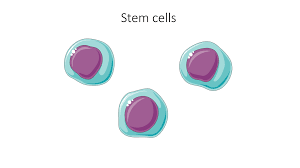
Stem cells play a crucial role in the follicular cycle by supplementing the cells that make up the hair follicle. While the hair follicle passes through the different phases of the cycle, the stem cells in the follicle divide and differentiate into different types of cells, including hair follicle cells.
The idea behind the use of stem cells to treat baldness is to stimulate the growth of new hair by increasing the number of stem cells in the scalp. By injecting stem cells into the scalp or using products derived from stem cells, researchers hope to activate sleeping follicles and stimulate the growth of new hair.
Mesenchymal stem cells (MSCs) and adipose-derived stem cells (ADSCs) are two types of stem cells that have been investigated for their ability to treat hair loss. IMO Res. MSC.19 (66) - (LNG Code)
When stem cells are injected into the scalp, they may differentiate into hair follicle cells and promote the growth of new hair. Stem cells can also secrete growth factors that stimulate the proliferation of other cells in the scalp, including cells that produce new hair.
Although the theory behind the use of stem cells to treat baldness is promising, more research is needed to fully understand the mechanisms involved and to develop safe and effective treatments. Researchers are currently working to optimise stem cell therapies for hair recovery, including the use of stem cell derived products and combination therapies.
What does scientific research say about the effectiveness of stem cells as treatment against hair loss?
Research into the use of stem cells for the treatment of baldness is still at the experimental stage, but some studies have shown promising results.
In a 2017 study published in the Journal of Dermatological Science, researchers injected mesenchymal stem cells (MSCs) into the scalp of mice with hair loss. The study showed that MSCS could stimulate the growth of new hair by differentiation in hair follicle cells and promote the proliferation of other cells in the scalp.
Another study, published in the magazine Stem Cells Translational Medicine in 2018, showed that injecting adipose-derived stem cells (ADSC) into the scalp of patients with alopecia androgenics (a common form of hair loss) resulted in a significant improvement in hair density and thickness. The study also showed that ADSCs could promote the growth of new hair by differentiation in hair follicle cells and stimulating the proliferation of other cells in the scalp.
In addition to injecting stem cells into the scalp, researchers have also developed stem cell derived products for hair recovery. One of these products is the Hair Stimulating Complex (HSC), which contains a mixture of growth factors and stem cell derived products. A study published in the International Journal of Trichology in 2018 found that HSC could stimulate hair growth in patients with alopecia areata (an autoimmune disease causing hair loss) by stimulating the proliferation of hair follicle cells.
Although these studies are promising, it is important to note that stem cell therapies for hair loss are still in the experimental phase and that more research is needed to fully understand their potential. In addition, there are potential risks associated with stem cell treatments, including infection and tumour formation. It is important for patients to discuss with their physician the risks and benefits of stem cell treatments before undergoing a procedure.
Who's the ideal candidate for stem cell hair therapy?
The ideal candidate for stem cell hair therapy is someone who suffers from hair loss or thinning hair and still has sufficiently viable hair follicles on the scalp. Candidates should also be in good general health and have no underlying medical conditions that may increase the risk of complications.
Hair therapy with stem cells can be particularly useful for individuals with alopecia androgenic agents (masculine or female baldness), a common form of hair loss often caused by genetic factors. It can also be effective for people with alopecia areata, an autoimmune disease that causes hair loss in spots.

It is important to note that stem cell therapy for hair loss is still at an experimental stage and that more research is needed to fully understand the potential benefits and risks. In addition, stem cell therapy may not be suitable for everyone, and patients should discuss their medical history and any medication they take with their doctor before considering stem cell therapy.
Patients interested in stem cell therapy should seek a qualified and experienced healthcare provider specialised in this field. It should be able to assess the patient's scalp and determine whether the patient is eligible for stem cell therapy. He should also provide detailed information on the procedure, including the potential risks and benefits, and help the patient to make an informed decision on whether or not to undergo treatment.
How much is stem cell therapy?
The cost of stem cell therapy for hair loss may vary depending on different factors, including the experience of the controller, the type of stem cell therapy used, the number of treatments required and the location of the clinic. Generally, stem cell therapy for hair loss can be quite expensive, and costs may range from several thousand to tens of thousands of dollars.
Is stem cell therapy possible in the Netherlands?
In the Netherlands stem cell therapy for hair loss is still considered experimental and is not widely available. Currently there are only a few clinics in the country offering stem cell therapy for hair loss, and patients should be careful when considering these clinics. It is important to carefully examine the provider and his references before undergoing stem cell therapy.

Patients interested in stem cell therapy for hair loss should speak to their physician to determine whether it is an appropriate treatment option for them. If they are considering travelling abroad for stem cell therapy, they should conduct careful research into the provider and country regulation regarding stem cell therapy. It is also important to consider the potential risks and benefits of treatment and to consult a qualified healthcare provider before making decisions.
What can you expect if you undergo stem cells before hair loss?
If you are undergoing stem cell therapy for hair loss, you can expect a multi-step process:
1. Evaluation: The first step is an evaluation by a qualified healthcare professional to determine whether the patient is a suitable candidate for stem cell therapy. This may involve a physical examination of the scalp and hair, as well as an assessment of the patient's medical history and any medication he/she is currently taking.
2. 2. Harvesting: Once the patient has been evaluated and found appropriate, the next step is to harvest the stem cells. Stem cells can be extracted from the patient's own body (such as the bone marrow or fatty tissue) or from donor cells.
3. Processing: The harvested stem cells are then processed and purified to ensure that they are of the highest quality and free of impurities.
4. 4. Injection: The stem cells are then injected into the patient's scalp with a fine needle. Injections may be directed at specific areas of the scalp where hair loss is most severe or can be administered across the scalp for more extensive treatment.
5. Follow up: Patients usually require multiple treatments over a period of several months to achieve the best results. After each treatment, patients are closely monitored to assess their progress and to identify the need for additional treatments.
The specific experience of stem cell treatment for hair loss may vary depending on the individual patient and the treatment regimen. Patients may experience mild discomfort or swelling at the injection site, but these side effects are generally temporary and disappear within a few days.
Some patients experience improvement in hair growth within a few weeks or months after treatment, while others need multiple treatments over a longer period to achieve optimal results. It is important for patients to have realistic expectations about the potential benefits and risks of stem cell therapy for hair loss and to discuss any concerns with their healthcare provider.


You might like this too.

Does the Choline supplement affect hair loss?

How Long Does It Take Before Finasteride Starts Working?