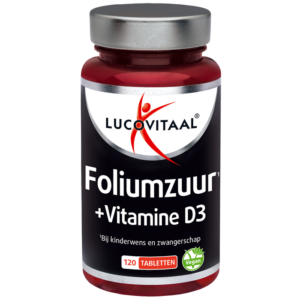
Werkt Foliumzuur werkelijk tegen haaruitval?
Did your hair get thinner? You keep finding more hair on your pillow?
Je bent niet alleen.
Millions of people are desperate to find solutions to hair loss. And among all "miracles," one name increasingly appears: folic acid.
But does it really work? Or is it another empty promise?
Let's let science speak. No BS, pure facts. 👇
FOLIUM SOURE & HAIR OUTLOOK 💊
_
- Geen zichtbare verandering (normaal!)
- Optimize internal processes
- Folic acid builds up in the system
- 90% geeft nu op – jij niet! 💪
- Reduced hair loss begins
- Improving energy levels
- Hair follicles get better nutrition
- Reduce other deficit symptoms
- Healthier scalp visible
- Hair strength improves significantly
- Hair growth normalized
- Compliments on hair gloss
- Works ONLY in folic acid deficiency
- Is NOT a panacea for all hair loss
- Combine with other methods for best results
- Be consistent daily use is crucial
What is Folic acid Actually? (And why would it help?)
Folic acid (vitamin B9) is not a magic formula.
It is simply an essential B-vitamin that your body cannot make itself.
Here's why it's important:
- Crucial for DNA synthesis ✅
- Supports cell growth and division ✅
- Helps to produce red blood cells ✅
Sounds important, right? Is.
Because your hair follicles constantly create new cells, folic acid has a direct link to your hair health.
Think of folic acid as the construction worker who constantly provides new bricks for your hair construction project. Without this guy? Construction is stagnant.
Symptoms of Folic acid deficiency: Recognize the Signals
Your body is talking to you. Are you listening?
A folic acid deficiency screams for attention with these signals:
- Unexplained fatigue (your energy level collapses)
- Pale skin (due to reduced red blood cell production)
- Shortness of breath (even in case of light exercise)
- Poor concentration (your head feels foggy)
- Irritability (little things make you angry)
- Sensitive, bleeding gums (often overlooked)
- Decreased appetite (for no apparent reason)
- Weakness in arms and legs (as if you are constantly tired)
And yes... hair loss is on the list.
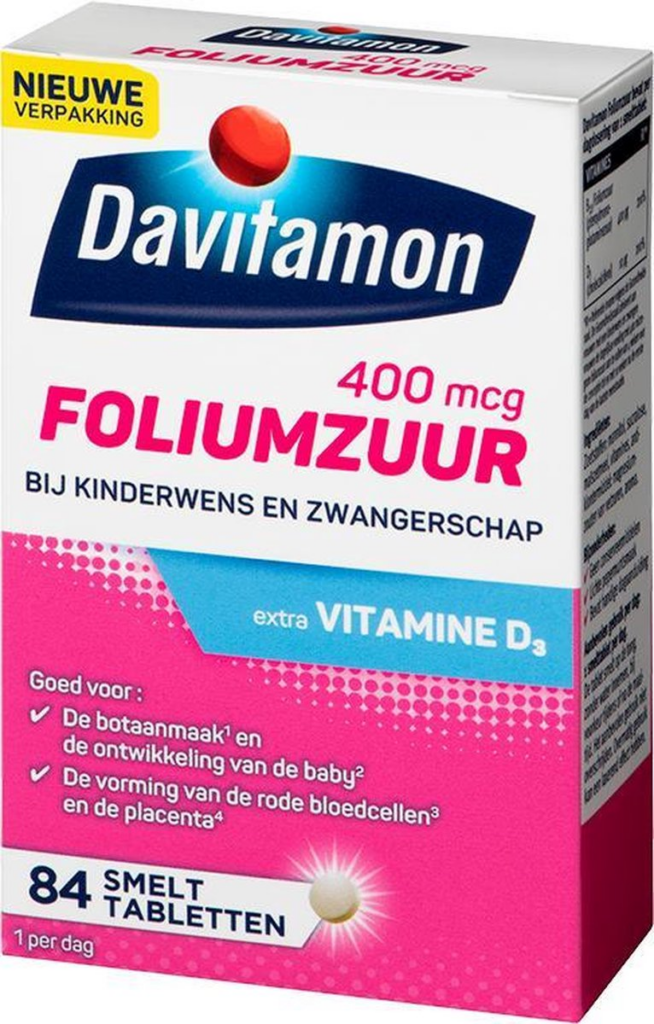
But be honest. How many of these symptoms do you have?
The problem with folic acid deficiency is it's creeping. You won't notice.
Just like a flat tire that drains slowly, you can't see it until you're stuck along the road.
Folic acid & Hair loss: What does science say? 🧪
Enough theory. Let's look at the evidence.
Study 1: Journal of Cosmetic Dermatology 60 women with hair loss participated in a double-blind study. Result? After 6 months: significant improvement in hair growth in the folic acid group.
But wait a minute: "significant" in scientific terms does not always mean "dramatic." The improvement was measurable, but not miraculous.
Study 2: Japanese Research with Mice Mice receiving folic acid showed more active growth of hair follicles. Important point: mice people.
What works for a small rodent with a completely different hair cycle than yours does not automatically mean success for your head.
Study 3: Journal of Dermatology Science 80 women with thinning hair received a supplement with folic acid, biotin, zinc and other nutrients. After 90 days: thicker hair and less hair loss.
Note that crucial detail: folic acid was not only in that supplement cocktail. Was it the folic acid or a synergistic effect? Science doesn't have the answer yet.
Science is hopeful but not decisive. We need bigger, more specific studies.
Many hair loss studies are also short-lived but hair cycles last for months. A real test should take at least 6-12 months.
Folic acid deficiency & Hair loss: The Connection 🔗
Here's what happens when your body screams for folic acid:
- Slow Cellular Processes
- Hair follicles get less nutrients
- Oxygen transport to the scalp reduces
- Hairs become weaker and fall out faster
- The production of keratinocytes (hair cell producers) stagnates
- The hair cycle is shortened .
Simply put: Your hair bags are starving.
But remember this: Folic acid deficiency is probably not the only culprit behind your hair loss.
It's like a car that doesn't start. Could be the battery. Could be the starter engine. Could be the fuel pump.
Hair loss rarely has a single cause.
How Do You Recognize a Folium Deficit Specifically For Your Hair?
When you protest her against a folic acid deficiency, these are the signals:
- Broken hair that splits more easily
- Slower growth than you're used to
- Duff her without natural shine
- Unequal growth on different parts of your scalp
- Hair loss in clusters instead of normal daily hair loss
The crucial difference? Timing.
Normally hair loss replaces itself. In the case of folic acid deficiency, the replacement process stagnates.
How much folic acid do you need? (No Gambling)
The numbers are clear:
- Adults: 400 micrograms daily
- Pregnant women: 600-800 micrograms daily
- Specific health problems: Ask your doctor
Too little? You're risking shortages. Too much? Wasted vitamins (literally flushed down the toilet).
To put it in perspective:
- One cup of cooked spinach: 130 mcg
- An avocado: 120 mcg
- Portion enriched cereal: 100-400 mcg
It is possible to get your daily need through diet alone. But how much spinach do you actually eat?
Honestly?
Top 5 Natural Sources of Folic acid 🥬
Forget pills. Start with real food:
- Dark green leaf vegetables (spinazie, kale) "Powerhouses!
- Pulses (Lentils, chickpeas)
- Citrus fruit Vitamin C boost
- Enriched cereals Easy daily dose
- Lever . Not everyone's favorite, but extremely effective
One serving of spinach? 260 micrograms of folic acid. More than halfway through your daily need!
But who eats spinach every day?
Only 1 in 10 Dutch gets the daily recommended amount of vegetables. Let alone specifically folic acid-rich vegetables.
Therefore many consider supplements.
Folic acid Supplements: Good idea or wasting money? 💰
Let's face it.
Not everyone eats spinach every day. Supplements can help.
But don't make hasty decisions. Consider this:
- Price vs. quality (cheap often means inferior ingredients)
- Dosage (more is not always better)
- Combination products (B complex may be more effective than folic acid only)
- Absorption (some forms are better absorbed than others)
- Purity (some brands contain undesirable fillers)
If you decide to supplement, choose a reliable brand:
- Nature Made
- Now Foods
- Solgar
- Thorne Research
- Jarrow Formulas
But important: First consult with a care professional. No exceptions.
The level of your own folic acid level can only be determined by a blood test. Not with a Google search.
Side effects: The Uneasy Truth 😬
No advantage without potential disadvantages.
Possible side effects of (too much) folic acid:
- Stomach discomfort (nausea, cramps)
- Allergic reactions (rare but serious)
- Blood sugar impaired (Attention in diabetes)
- Medicinal interactions (especially important for epilepsy medication)
- Masking of B12 deficiency (a serious problem)
- Reduced effectiveness of certain cancer treatments
- Possible increased risk of prostate cancer (research not unambiguous)
Most side effects disappear when you lower the dose. But why take risks?
Start low, build slowly.
And remember: water-soluble vitamins such as folic acid are excreted daily. You need a new dose every day.
Can Folic acid Grey Turn Hair? The Sober Truth
Short answer: No.
Long answer: Also no.
Grey hair is due to decreased melanin production, not due to folic acid deficiency.
Folic acid can support healthy hair, but doesn't expect color change. Science simply does not support this claim.
If someone tells you folic acid will reverse your gray hair, they'll sell you a bridge that doesn't exist.
Or worse yet, they're selling you a supplement that won't do what they promise.
Folic acid vs. folate: Is there a difference?
Yeah, and it's important.
Folate is the natural form of food. Folic acid is the synthetic form in supplements and enriched foods.
The difference? Recording and processing in your body.
Folic acid should first be converted to its active form (5-MTHF) before your body can use it.
And here's a problem: up to 40% of people have a genetic variant that makes this conversion more difficult.
These people better choose:
- Natural food sources of folate
- Supplements containing "methylfolate" or "5-MTHF"
Don't you know if you have this genetic variant? Get tested or choose the safest option.
5 Effective Strategies to Use Folic Acid for Hair
Do you want to make maximum use of folic acid for your hair? That's how you do it:
- Nutrition strategy: Focus on folic acid-rich foods with each meal
- Combine with other B vitamins: They work together for better results
- Hydrate sufficiently: Without water vitamins cannot be properly absorbed
- Manage stress: Chronic stress may interfere with vitamin absorption
- Be patient: Results come after 3-6 months, not overnight
Don't expect miracles after one week. Hair cycles last for months.
A practical tip: Create your own "her power smoothie" with spinach, avocado, berries and almonds all rich in folic acid and other hair-friendly nutrients.
Folic acid and Pregnancy: A Special Recital
If you are pregnant or want to get pregnant, folic acid deserves extra attention.
Not only is it essential to the development of your baby, but pregnancy itself can affect your hair cycle.
Many women experience luxurious hair growth during pregnancy, followed by increased hair loss after childbirth.
Sufficient folic acid before, during and after pregnancy may reduce this postpartum hair loss.

The recommended dose during pregnancy: 600-800 mcg per day.
But again, consult your obstetrician or gynecologist.
What works REALly against hair loss? (Proven Methods) 🔍
Let's face it. Folic acid alone won't solve your hair problems.
These proven methods work:
1. Finasteride/Dutasteride
- Blocks DHT (the hormone that shrinks hair follicles)
- Proven effectiveness in numerous studies
- Recipe required (consultation with doctor about side effects)
- Especially effective for male baldness patterns
- Results visible after 3-6 months of consistent use
2. Minoxidil
- Apply directly to scalp (solution or foam)
- Stimulates blood flow to hair follicles
- No prescription required, but results require consistency
- Works for both men and women
- Use 2x daily for optimal results
3. Dermarolling/Microneedling
- Stimulates collagen and improves uptake of topical agents
- Works synergistic with minoxidil
- Technology and hygiene crucial (not just start)
- Studies show up to 4x better results with minoxidil when combined
- Professional treatment is safer than home use
4. Ketoconazole Shampoo
- Anti-fungal with anti-androgenic effects
- Can reduce DHT locally
- Use in addition to other methods
- Allow 3-5 minutes for optimal effect
- Use 2-3x per week (not daily drying)
5. Laser treatments
- Low-level laser therapy (LLLT)
- Stimulates microcirculation and cell renewal
- Available as clinical treatment or home appliances
- Not painful or invasive
- Results visible after 3-6 months of consistent use
The most powerful weapon? A combination approach, tailored to your specific situation.
Who's risking folic acid deficiency?
Not everyone has the same risk of a shortage. These groups are more vulnerable:
- Pregnant women (increased need)
- People with alcoholism (obstacles recording)
- People with bowel diseases (reduced absorption)
- Elderly (reduced intake with age)
- People taking certain medicines (anticonvulsants, methotrexate)
- People with the MTHFR gene mutation (difficulty with folic acid processing)
Do you recognize yourself? Then it is especially important to have your folic acid status checked.
A simple blood test can be conclusive.
A Complete Approach: More than Folic acid only
Hair loss is multifactorial. Your approach must also be:
- Nutrition: All essential vitamins and minerals
- Hormone balance: Check if necessary
- Stress management: Chronic stress is a known trigger
- Right hair care: Avoid heat, pulling and aggressive chemicals
- Head skin health: Healthy hair starts with a healthy scalp
- Blood circulation: Regular movement improves blood flow to the scalp
- Sleep quality: During deep sleep cell repair takes place
- Professional guidance: A dermatologist can identify the underlying cause
No pill or supplement can address all these factors.
What if Folic acid doesn't work? The Next Steps
Have you tried folic acid without any results? Don't give up.
Next steps:
- Blood tests: Let check for other deficits (iron, vitamin D, zinc)
- Hormone check: Thyroid and sex hormones affect hair growth
- Skin biopsy: May reveal underlying conditions
- Professional treatments: Consider PRP injections or hair transplantation
- Acceptance and adaptation: Learn to deal with reduced hair density
Sometimes the bravest choice is to accept what you cannot change, and focus your energy on what you can influence.
Frequently Asked Questions About Folic acid and Haar
Q: How long before folic acid affects her? A: Minimum 3-6 months. Hair cycles are slow . . patience is essential.
Q: Can too much folic acid cause hair loss? A: No direct evidence, but excessive intake can disrupt other nutrient balances.
Q: Is folic acid-rich shampoo effective? A: Minimal evidence. Folic acid works better from the inside than on the scalp.
Q: Does folic acid work for all types of hair loss? A: No. It may help with failure due to shortages, but not genetic or autoimmune hair loss.
Q: Can children use folic acid for hair growth? A: Kids with hair loss should see a doctor. Supplements only under medical supervision.
Conclusion: The Sober Truth About Folic Acid and Hair
Let's finish this:
- Folic acid is essential for healthy hair ✅
- A deficit can contribute to its failure ✅
- Supplements can help with a confirmed deficit ✅
- It's not a miracle cure for all hair problems. ❌
- The best results come from a holistic approach ✅
- Patience and consistency are crucial ✅
- Professional advice goes beyond Internet wisdom ✅
The bottom line? Focus on the big picture. Folic acid is one piece of a complex puzzle.
Start with a healthy, varied diet. Consult a professional. Be patient.
Beautiful, healthy hair doesn't come from a bottle. It comes from consistently making healthy choices, day after day.
And don't forget: Sometimes your hair isn't the problem, but your perception of it. Learn from your hair it lets go what is no longer necessary.
What step are you taking today for healthier hair?


You might like this too.

Can the contraceptive pill cause hair loss?
Topical Dutasteride as treatment for hair loss, as effective as oral?