What is the optimal depth at dermarolls for hair growth?
Microneedling or dermarolls has gained popularity as a possible treatment for hair growth and recovery.
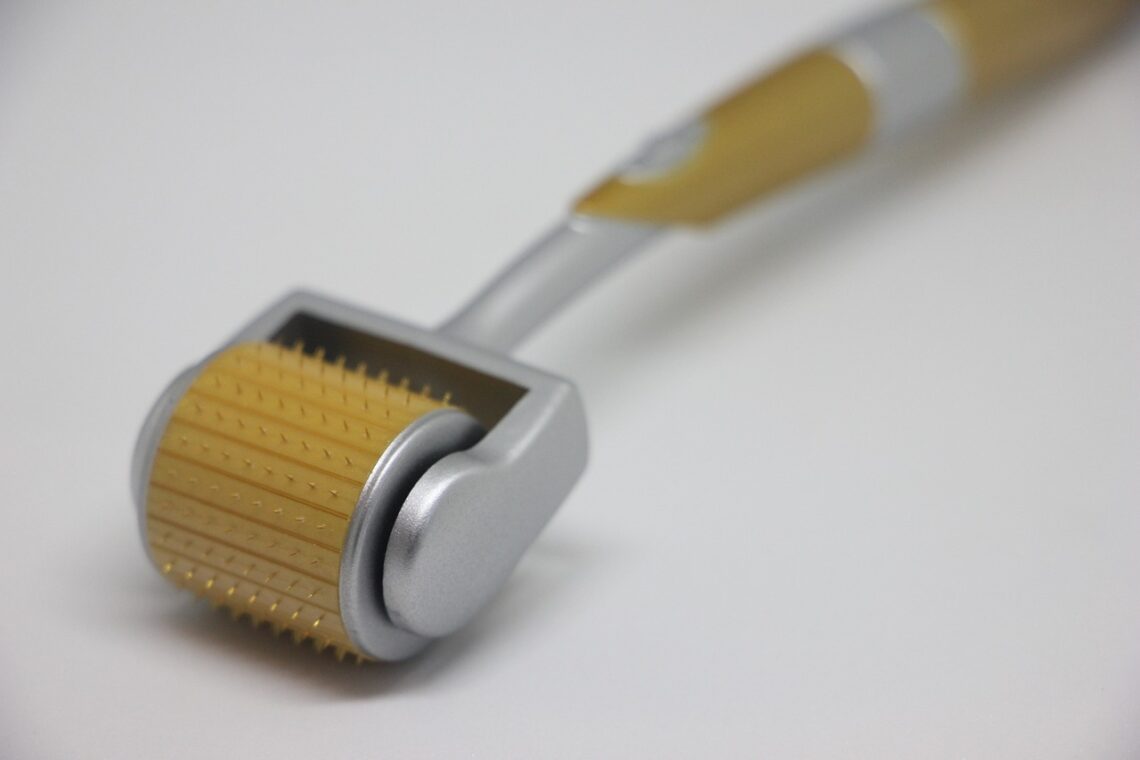
In this procedure, a device with tiny needles is used to create micro-injuries on the scalp, stimulating the body's natural healing response and promoting hair growth.
Discover everything you need to know about dermarolls and hair loss by clicking on the links at the bottom of the blog!
If you are a little familiar with this site you know that Finasteride and minoxidil and microneedling are currently known as the only scientifically proven methods against hair loss.
Discover inspiring stories about remarkable hair transformations and learn more about the successful strategies that people have applied using the 3 treatments above.
What is the Best Microneedle Depth?
The optimal microneedle depth for hair growth usually varies between 0.5 mm to 1.5 mm.
Various studies and experts suggest different depths, and the choice often depends on the specific purpose and scope.
For hair growth, a depth of 1.5 mm is sometimes recommended, especially for addressing deeper layers of the scalp.
Is it better to go deeper with Microneedling?
Going deeper with microneedling can reach deeper layers of the scalp, possibly stimulate more collagen production and promote hair growth.
However, it is essential to balance depth with safety and comfort.
Deeper microneedling may also increase the risk of injury or side effects. Therefore, the decision to go deeper should be based on individual preferences, skin type and specific condition addressed.
Is a 1.5 mm Derma roller safe for her?
Using a 1.5 mm derma roller for hair may be effective for some individuals, especially when deeper layers of the scalp are addressed.
However, it is crucial to put safety first.
Deeper needles can cause more discomfort, and there is an increased risk of side effects including redness and temporary irritation.
It is recommended to start with less deep depths and gradually move to deeper, as the skin gets used to it.
Is a 0.25 mm Derma roller effective for hair growth?
A 0.25 mm derma roller is considered more superficial and is generally safe for home use.
Although it may not penetrate as deeply as longer needles, it can still stimulate blood circulation, improve product intake and increase the level of collagen production encourage.
For some users, especially those new to microneedling, the advice is to start with a 0.25 mm derma roller.
It is effective for maintaining scalp health and may be part of a routine for promoting hair growth.
What happens when you get too deep microneedlet?
Microneedling too deep can lead to various complications and side effects.
Crossing the recommended depth may cause pain, increased risk of bleeding and longer recovery time.
Deeper microneedling may also increase the risk of infection, scars and hyperpigmentation.
It is crucial to follow the guidelines and avoid excessive depth to ensure a safe and effective microneedling experience.
What's the best speed for microneedling?
The optimal speed for microneedling depends on individual preferences and skin sensitivity.
Generally, moderate speed is recommended for effective results without causing excessive discomfort or trauma to the skin.
It is wise to start with a lower speed and gradually increase it based on personal tolerance.
High speeds can lead to increased friction and possibly exacerbate skin irritation, so finding the right balance is essential.
Should I use 12 or 36 needles to microneedle the scalp?
The choice between 12 or 36 needles for microneading the scalp depends on individual needs and preferences.
Both configurations can be effective, and the decision can be influenced by factors such as surface treatment and comfort.
A dermaroller with 12 needles can be more suitable for precise targeting. This while a 36 needle configuration can provide wider coverage with any movement.
It is essential to consider personal comfort, skin sensitivity and specific areas that are treated when choosing the number of needles for microneading the scalp.
What plays a role in the depth of dermarolls for hair growth?
Microneedling creates controlled microdamages in the scalp that stimulate the release of growth factors and promote increased blood circulation to the hair follicles.
This process helps to nourish follicles, stimulates cell proliferation and improves the production of proteins that contribute to hair growth.

However, the depth of microneedling is a critical factor that can affect efficacy and safety. Here is information about the optimal depth for microneedling for hair growth:
1. Anatomy scalp
The scalp consists of several layers, including the epidermis (outer layer) and the dermis (deper layer).
The hair follicles are in the leather skin. When performing microneedling it is important to choose the right depth to achieve the hair follicles effectively.
2. Optimum depth
The optimal depth for microneedling for hair growth is usually between 1.0 mm and 1.5 mm. With this depth, the needles can penetrate the epidermis and reach the upper layers of the skin where the hair follicles are located.
Deeper than 1.5 mm may increase the risk of complications and is generally not recommended.
3. Individual considerations
The optimal depth of microneedling can vary based on individual factors such as scalp thickness and hair loss severity.
It is essential to consult a qualified dermatologist or aesthetic professional who can assess your specific needs. And in addition, the right depth for your microneedling treatment can determine.
4. Professional treatment
Microneedling for hair growth is best performed by trained professionals in a clinical environment.
They have the expertise to determine the optimal depth based on your specific condition and can ensure that the procedure is carried out safely and effectively.

5. Treatment frequency
The frequency of microneedling treatments for hair growth may vary depending on the individual and severity of hair loss.
Usually, a series of treatments with an interval of 4-6 weeks is recommended to achieve optimal results.
Your doctor will guide you in choosing the ideal treatment plan.
6. Combination therapies
Microneedling can be combined with other hair growth agents to improve results.
In this way, the application of topical minoxidil or other hair growth agents immediately after microneedling improve their absorption and effectiveness.
7. Aftercare
Good aftercare after microneedling is crucial for optimal results and to minimise possible side effects.
Your doctor will give you instructions on how to treat your scalp after treatment. Such as avoiding sun exposure, using soft hair care products and following a recommended skin care routine.
It is important to know that microneedling is not suitable for hair growth for everyone.
People with certain medical conditions, active scalp infections or a history of keloids or abnormal scars may need to avoid this treatment or handle it with caution.
Consultation with a qualified doctor is essential to determine whether microneedling is suitable for you. And also to ensure a safe and effective treatment plan.
Remember that the individual response to microneedling may vary and may take some time to see the results.
Consistency, patience and following professional advice are key to achieving optimal hair growth results with microneedling treatments.
What does scientific research say about the optimal depth of microneedling for hair growth?
Research into the optimal depth of microneedling for hair growth is relatively limited and specific studies focusing only on this subject are scarce.
However, there is evidence that supports the effectiveness of microneedling as treatment for hair loss.
Here are some important findings from the existing study:
1. A study published in the Journal of Cutaneous and Aesthetic Surgery in 2013 investigated the effectiveness of microneedling in alopecia androgenics (pattern hair loss).
The researchers used a 1.5 mm needle length dermaroller and saw significant improvements in hair density, hair thickness and patient satisfaction after 12 weeks of treatment.
2. Another study, published in the Journal of Cosmetic Dermatology in 2016, investigated the impact of microneedling on hair growth in patients with alopecia androgenics.
The researchers used dermaroller with needle lengths ranging from 1.0 mm to 2.0 mm. Here they discovered that all participants experienced hair growth.
The best results were observed in those treated with a needle length of 1.5 mm.
3. A review article published in the Journal of Cutaneous and Aesthetic Surgery in 2017 analysed several microneedling studies for hair loss and concluded that needle depths between 1.0 mm and 1.5 mm were effective in stimulating hair growth and improving hair density.
Although these studies suggest that needle depths between 1.0 mm and 1.5 mm can be optimal for hair growth, it is important to note that individual reactions to microneedling may vary.
It is also important to bear in mind that microneedling is not an isolated treatment and can be used in combination with other therapies such as topical medicines or oral supplements for better results.
Your healthcare professional can assist you in choosing the most suitable combination for your unique circumstances.
Always give priority to safety and follow professional guidance when undergoing microneedling or any other treatment against hair loss.
Conclusion
It is important to approach microneedling as part of a comprehensive approach to hair loss. Healthy lifestyle habits, a balanced diet, stress management and addressing underlying health problems can also contribute to the overall health of the hair.
Please note that the information given here is for educational purposes only.
It is always recommended to consult a healthcare professional for personal advice and guidance regarding your specific hair loss.
Microneedling is not a single solution for hair loss and multiple sessions are often recommended to achieve noticeable results.
Hair growth usually takes time and may take several months to see significant improvements. Patience and consistent treatment are the key to optimal results.
Find out everything you need to know about Dermarolls and hair loss by reading one of the following interesting articles:
The Beginner Guide to the 3 Proven Solutions against Hair Loss"
Do you have to wait 24 hours after Dermarolling before you apply Minoxidil?
What is the optimal depth at dermarolls for hair growth?
How do you know you're doing dermarolls wrong?
What is better the dermaroller or dermapen for hair growth?
The biggest benefits of dermarolls for hair growth!


You might like this too.

Garlic For your hair: What they don't tell you 🧄

Does honey help as a natural remedy to baldness or hair loss?