


Wat doet zout water met je haar en wat zijn de voor en nadelen?
Okay, I admit it. I'm one of those people who comes back after a week at the sea and tells everyone how "great" my hair looks. You know, the wild curls, the texture you never get at home, like the sea is some kind of magical stylist.
But once for two weeks I dive every day in the North Sea (yes, I know, I'm crazy), my hair was suddenly dry like a broom. So what is it? Is seawater good for your hair or not?
🧬 HER GROWTH TRACKER PROGRESS
Follow your hair growth journey and get realistic expectations per phase
Week 0
Week 2-4
Week 6-12
Month 3-6
Month 6-12
12+ Months
Start Phase Details
After years of trial and error, spending way too much money on "miracle" sea salt sprays, and reading more hair research than healthy, I can tell you: It's complicated. But in a good way.
What Actually Happened to Your Hair in Seawater
Let's start with what everyone wants to know, but nobody dares to ask: Why does my hair after sea always feel so... different?
The simple answer? Seawater is basically a mineral cocktail with 3.5% salt. Doesn't sound like much, but trust me, that's enough to completely transform your hair. When that salt water hits your hair, a few things happen at once.
First, the moisture pulls out of your hair. Not nice, but true. It's called osmosis and it's the same process that makes your fingers wrinkle in the bath. So your hair gets drier, but... and here it gets interesting... the minerals in the seawater go to work at the same time.
Magnesium, calcium, potassium... it sounds like a vitamin pill, but this stuff is obviously in seawater. And they do something to your hair. Magnesium helps your hair follicles, calcium keeps your hair structure strong, and potassium provides moisture balance. It's like getting her a free spa treatment while it's drying out at the same time. Confused? Absolutely.

The Things We All Sneak Find At Beachable
Your Hair Get Finally Clean (Real Clean)
Do you know that feeling when you used dry shampoo for three days and finally washed your hair? That's how seawater feels, but of course. The salt literally scrubs off all product structure, excess oil and dead skin cells from your scalp.
I used to suffer from a fat hair attack (yes, even if I washed every day), but after a few days of sea, that problem was just... gone. No expensive clarifying shampoo or complicated routine required. Just sea, sea and another sea.
Volume That At last Stays Sit
If, like me, you have fine hair flat on your head in an hour, seawater is your new best friend. That salt makes your hair scales swell up a little bit and get rougher. Sounds scary, doesn't it? It just means that your hairstrings get more grip on each other.
The result? Volume that sits all day without needing tons of mousse or spray. My hair naturally has the texture of silk (sounds nice, is practically a disaster), but after sea I suddenly get that grippy texture that other people pay for.
That massage you weren't expecting
To be honest, I never thought about this until someone said to me: swimming in the sea is actually a scalp massage. All that water movement, the minerals that stimulate your blood circulation... My hairdresser always said to do more scalp massages for better hair growth, but who has time for that? Zee does it automatically.
But Dan... The Reality Check
When You Protest Her
Okay, time for the less fun truth. Too much seawater is really not good for your hair. I learned this the hard way during those two weeks of non-stop swimming that I mentioned earlier. My hair got so dry, it literally cracked when I touched it. Not the sound you want to hear.
The problem is that osmosis thing. Salt water keeps pulling moisture out of your hair as long as it's done. If you don't wash it out, your hair gets drier. And dry hair means fragile hair. And fragile hair means... well, less hair.
The Color Crisis
If you have colored hair, I'm sorry to disappoint you. Seawater and sun together are a team that has your expensive salon color as mission. Not on purpose, but it will. The salt opens your haircuticula (the outer layer), allowing color molecules to escape.
My girlfriend paid 200 euros for perfect asblond hair and then went to Greece for a week. She came back with... let's call it "hot blonde." She wasn't amused.
When Your Head Difficult
Some people get an irritation of too much salt on their scalp. It's not super common, but it happens. Especially if you have sensitive skin or eczema or something. Then all that salt and minerals can get too much of the good.
How You Do Good (From Own Experience)
Before you enter the sea
I always do this: first wet my hair with plain tap water. Sounds basic, it is, but it works. If your hair is already full of water, it can absorb less salt water. Simple math.
Even better. a little leave-in conditioner or coconut oil by your hair before you go swimming. I always use coconut oil because it is waterproof and forms a protective layer. Plus, it smells like vacation, which is a bonus.
_
Understand how DHT affects your hair and what treatments really work
🔬 How DHT Destroys Your Hair
🧬 Interactive Hair Follicle
Healthy Hair Follicle
Click to see the effect of DHT
⚖️ Healthy vs DHT-touched Hair
- Strong hair root
- Fat hair shaft
- Normal growth cycle (2-7 years)
- Good blood circulation
- Optimum nutrient intake
- Decreased hair root
- Thin, brittle hair shaft
- Shortened growth cycle (3-4 months)
- Decreased blood flow
- Poor nutrient intake
📊 Treatment effectiveness
Effectiveness of Different Treatments
⏱️ Treatment timeline
Week 0
Week 2-6
Month 3
Month 6
Maand 12+
🔑 Important Facts
Direct Erna (Seriously, Direct)
Straight to that beach duche. And I mean right away. Don't spend another hour baking in the sun with all that salt in your hair. Rinse, rinse, rinse with fresh water. You don't necessarily have to use shampoo (may even be better to do it at home), but getting all that salt out is priority number one.
Home: The Aftercare
Here I may be going to announce unpopular opinions, but daily washing after a lot of seawater is fine. In fact, it's necessary. Your hair needs that extra hydration. I always use a sulphate-free shampoo (sulphates + seawater damage = no bueno) and an intensive conditioner.
Once a week I do a hair mask. Not so fancy thingy of 50 euros, just a good moisturizing mask of the drugstore. Works like a charm.
Sea salt sprays: The Good, The Bad, The Overpriced
Okay, real talk about sea salt sprays. I've tried so many, I can probably open a small store. Some are great, others are pure marketing bullshit.
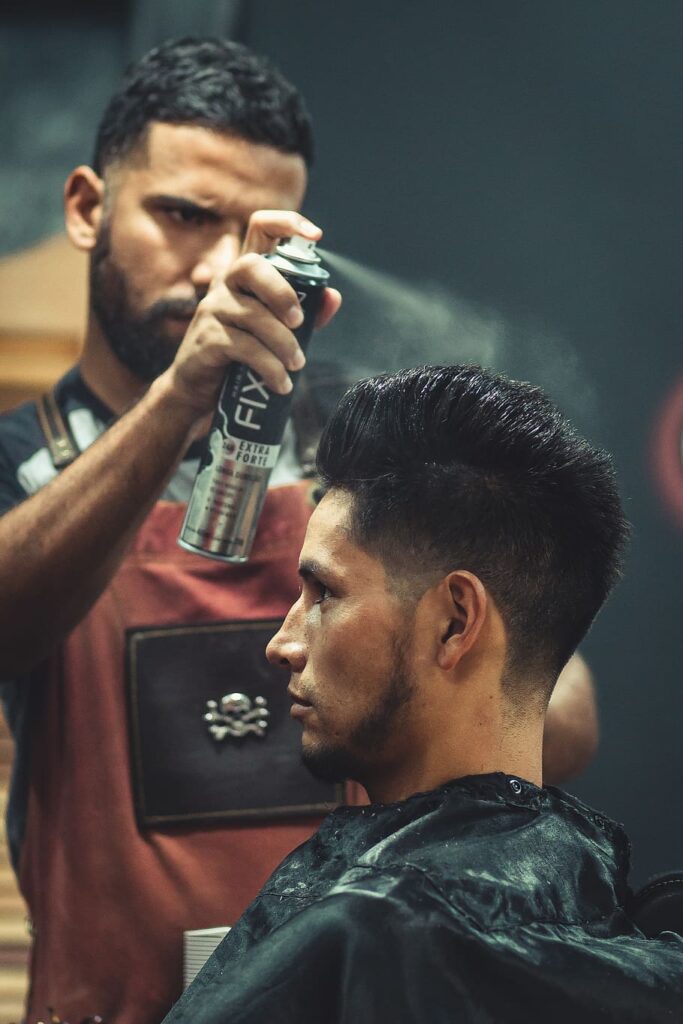
The Good One
The best sea salt sprays contain not only salt and water, but also moisturizing ingredients. I always look for glycerin, aloe vera or natural oils in the ingredients list. They make sure you get the texture without the dehydration.
My personal favorites are the ones who also have UV protection. Two birds, one stone, you know?
The Evil One
Cheap sea salt sprays that only contain salt and water should be skipped. I tried one of the Action (sorry Action, I love you, but not before) and my hair felt like straw afterwards.
Also: sprays with alcohol. No, just no. Alcohol + salt = double dehydration. You don't want to.
The Overpriced
Some brands ask for 30+ euro for what basically salt water is. Yes, it smells good and the packaging is nice, but pay attention to the ingredients. Often there is nothing special in it that justifies the price.
For each hair type A Story
Fine Hair (My People)
If you have fine hair like me, seawater is basically a godsend for volume. But be careful. Fine hair is more sensitive, so less is more. A few times a week seawater or sea salt spray is perfect. Every day gets too much.
Pro tip: never use sea salt spray on dry hair if you have fine hair. Always on light wet hair, otherwise it just becomes sticky and weird.
Curly Hair
My best friend has curls and black by the sea. He says it defines his curls in a way that no gel can match. But he always uses extra conditioner because curly hair is naturally drier.
His trick: leave-in conditioner for sea, intensive mask after sea. Every single time.
Colored Hair
If you have recently colored hair (within 2 weeks), I would really wait with intensive seawater contact. Your color takes time to settle down. And invest in a color-protecting leave-in when you go to sea. Trust me on this one.
Being Seasons and Realistic
Summer: Go Wild
Summer is seawater-season. I adjust my entire haircare routine in the summer. More moisturizing products, less heat styling (why would you like to sea your hair already styled?), and I let my hair grow a little longer because the dots get damage anyway.
Winter: Recovery Mode
After a summer of beach adventures, my hair needs recovery time. I usually go to the hairdresser in September for a thorough haircut, and use winter for intensive restorative treatments.
Honestly, by February, my hair looks better than ever. It's like it takes that damage repair time.
The Things No One Tells You
Timing Matters
Best time for seawater? Early in the morning or later in the day. In the middle of the day with that bright sun there is asking for trouble. The combination of UV + salt is really intense.
Not every sea is the same
This may sound crazy, but different seas have different effects on my hair. The Mediterranean Sea feels milder than the North Sea. The Atlantic gives me the best volume. I don't have a scientific explanation, but I can tell.
Your Hair Wants To
After a few days of seawater exposure, your hair adapts. The first day is always the most dramatic, then it stabilizes a bit. Weird but true.
Realistic Expectations
Let's be honest. No sea salt spray is going to give you the same result as a day at the beach. The combination of sun, wind, movement, and real seawater is just not replicable in a bottle.
But that doesn't mean sea salt sprays are useless. They can give you a hint of that texture, a little volume, a casual look. Just don't expect miracles.
My Personal Bottom Line
After years of experimenting? I'm a team of seawater, but with boundaries. A few times a week in the summer, always with protection and aftercare, and realistic expectations about what it can and cannot do.
My hair is not perfect, it was never, it never will be. But seawater taught me to work with what I have instead of fighting it. Sometimes that beachy, messy look is exactly what you need.
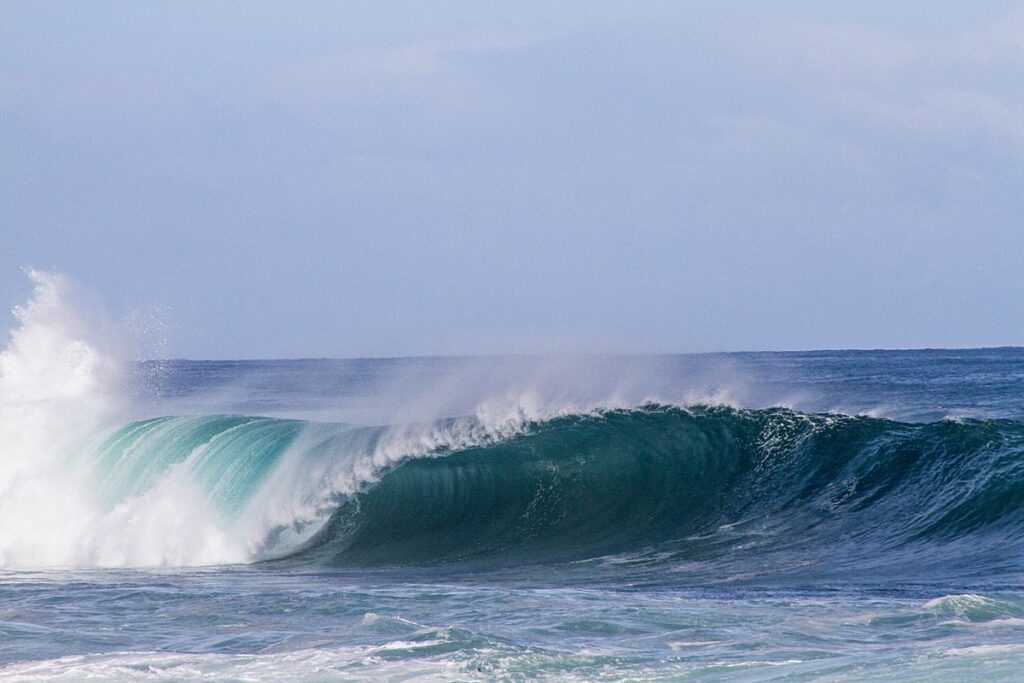
What if you really have too much damage to her? Cut it off and start over. It's just hair. It's growing back. And next summer, you'll know how to handle it better.
Lifestoo shorts for perfect hair, but also too shorts for hair damage that you could have prevented. Find your balance, and enjoy that ocean.


You might like this too.

The Truth about Female Hair Disappearance: Causes, Recognition & Solutions 🔍
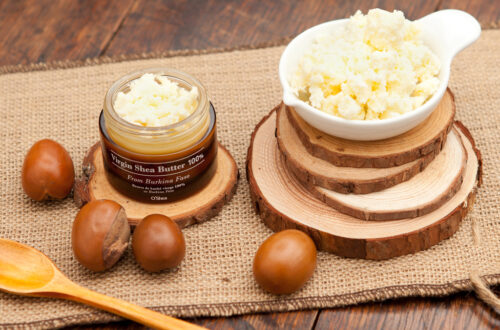
Helpt Sheaboter als natuurlijk middel tegen haaruitval?


