

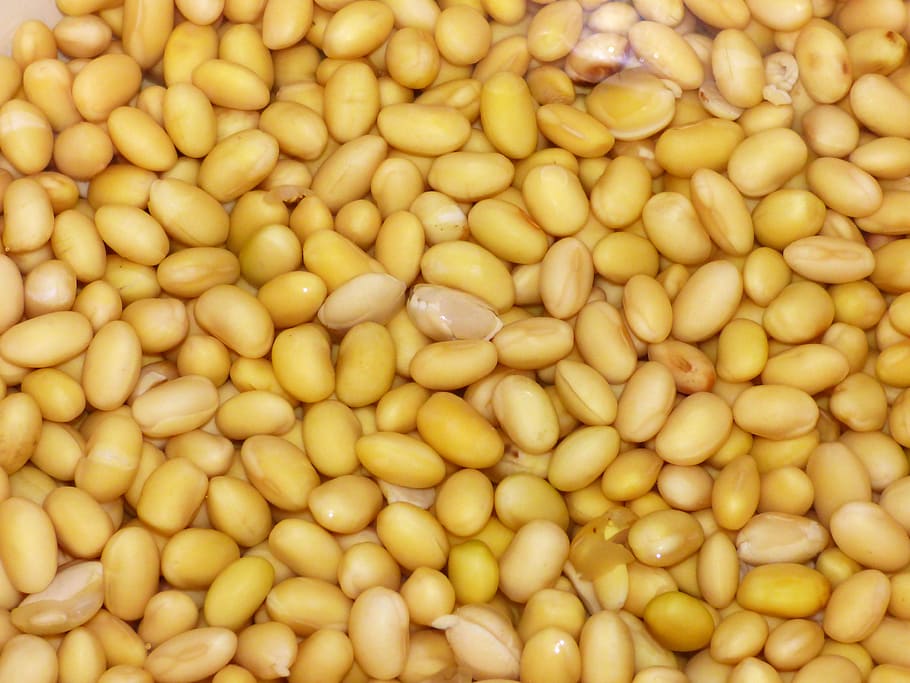
Do soy products contribute to hair loss?
Let me tell you something: I got another e-mail from someone who was panicking last week. because she read on the Internet that soy milk would cause her hair to fall. She drank a cup of soy milk every morning for two years and now wondered if she was causing her own baldness.
This is the perfect example of how confusing the information about soy and hair loss is. One expert says soy is your salvation from baldness, the other warns that it makes your hair fall out like you're undergoing chemotherapy. What's the truth?
I'm diving deep into this controversy today. No vague stories, no fear, but the pure facts based on what science tells us. Plus the answers to the questions people really ask in forums and Facebook groups.
The Soy-Controverse: Why Everyone in the War Is
Soy is probably the most controversial food in the world when it comes to health. One day you read that it can protect you from cancer, the next day it'll completely mess up your hormones. It's no different with hair loss.
The problem? Soy is a complex pod fruit with various active substances that can all have different effects. In addition, the effect depends on:
- What kind of soy you eat (fermented vs unfermented)
- Hoeveel You consume
- Your own hormonal situation
- Your general health
- Your genetics
No wonder everyone's confused.
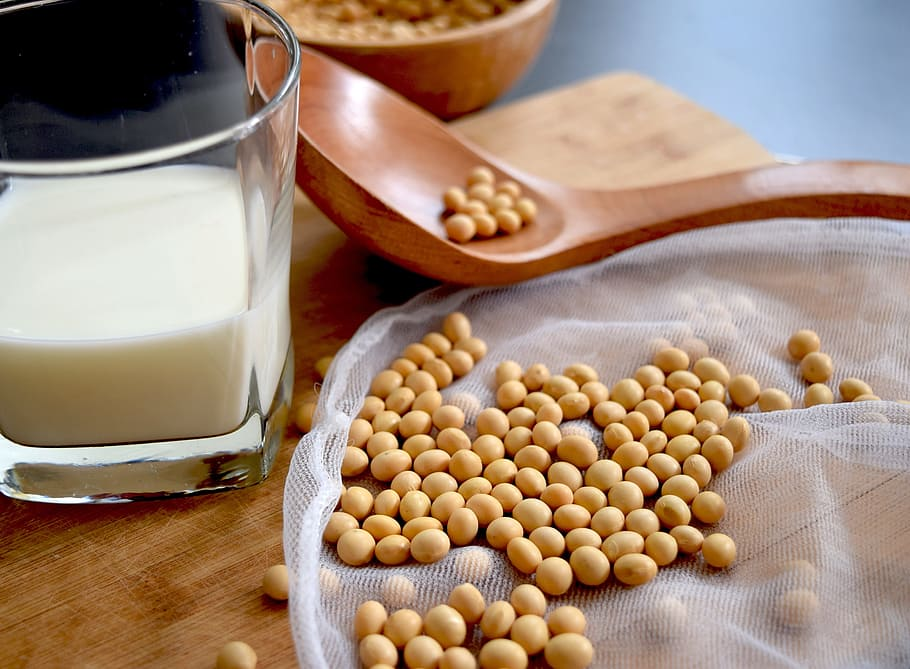
What does Science Really Say About Soy and Hair Loss?
Let me tell you right away: The science is ambiguous. But if you look closely at the tests, you can see a pattern.
Team Soya-Help-Against-Hearout
The phytoestrogens in soya isoflavones are weak and that is a good thing. This means that they can reduce how much DHT binds to the hair follicles, but will not cause hormonal imbalance.
DHT (Dihydrotestosterone) is the main culprit in male baldness. It binds to your hair follicles and makes them thinner and thinner until they finally stop growing.
Equol is a powerful oppressor of the strong male hormone involved with the potential consequences of reducing the risk of prostate cancer, male baldness and even acne.
A study has even been published in the magazine Menopause which showed that women consuming soya isoflavones experienced a significant increase in hair diameter and hair density.
🌱 SOJA & HAIR OUTLOOK
The Complete Scientific Analysis
Most commonly used form. Safe with normal consumption (1-2 glasses/day).
High protein. May reduce DHT binding to follicles.
Fermented = less phytic acid. Best option for hair growth.
High concentration. May disrupt hormonal balance in sensitive subjects.
18-40 years
No Thyroid
Women
Medication
Cancer
Problems
Onder 18
Lactation
"Soy and health update: evaluation of the clinical and epidemiologic literature' .
Clinical studies show no effects of soy protein or isoflavones on reproductive hormones in men"
"Risk assessment for peri- and post-menopausal women taking food supplements containing isolated isoflavones'
"Effects of soy isoflavone supplement on hair growth and thickness in postmenopausal women"
"Reduction of phytic acid and enhancement of bioavailable micronutrients in food grains' .
"Phytate-protein interactions and their effect on mineral bioavailability' .
Team Soy-caused hair loss
On the other hand, we got the critics. They point to a number of worrying issues:
Phytic acid: Soy contains phytic acid, which can block the uptake of zinc and iron. Both minerals are crucial to healthy hair growth. legumes and soy products are good calcium suppliers, but they contain a lot of purine and are therefore unsuitable for a hair loss.
Hormoonverstoring: Although soya isoflavones are weak phytoestrogens, in some people they can indeed disrupt the hormonal balance, especially in people with thyroid problems.
Truth is (as always) In the middle
After studying all the studies, I come to this conclusion: Soy can both help and harm depending on your specific situation.
For many people, a moderate amount of soya will probably be neutral to slightly positive for their hair. For a small group it can be problematic.
The Questions Those People Real Couples (And The Fair Answers)
Let's now address the practical questions that I keep seeing in forums and conversations:
"I drink soy milk every day, does my hair fall out of that?"
Short answer: Probably not, but pay attention to the amount.
Long answer: A glass of soy milk a day will not cause hair loss in most people. But if you drink soy milk daily, eat soy burgers, put tofu in your salad AND swallow soy supplements, then it can be too much.
"My hair loss started when I became a vegan and started eating a lot of soy, coincidence?"
I hear this a lot, and it can have several causes:
- Too sudden change: Your body needs to get used to a completely different diet
- Nutrient deficits: As a new vegan you often make mistakes and get too little iron, B12, zinc or proteins inside
- Too much soy at once: Your body wasn't used to that amount of isoflavones.
My advice: Gradually switch to veganism and make sure your diet is varied. Soy doesn't have to be your main protein source.
"What kind of soy is the best / worst for my hair?"
This is where it gets interesting. Not all soy is the same:
Fermented soya (tempeh, miso, tamari):
- Contains less phytic acid (better for nutrient uptake)
- More probiotics (good for your intestines and indirect for your hair)
- Generally better digestible
Unfermented soya (soy milk, tofu, soya beans):
- More phytic acid (can block nutrient uptake)
- Could be harder to digest.
- Increased risk of inflammation reactions in sensitive people
Soy isolate in shakes and bars:
- Highly concentrated, so greatest risk of problems
- Often together with other artificial ingredients
- Avoid if you are sensitive
"I'm in the transition, soy helps against my hair loss?"
For women in transition, soy can indeed help. I've been using soy milk for two weeks because bone decalcification also occurs in fam. Well, my question is soy against hair loss, too? Because I've been suffering from that for a number of years, and according to me, it's from hormone fluctuations.
During menopause, your oestrogen levels fall, which can lead to hair loss. The weak phytoestrogens in soya can partially compensate for this.
Maar: Work with your doctor or gynecologist. Hair loss during the transition often has multiple causes.
The Dark Side of Soy Who No One Tells You
Let me be honest about a few things the soy industry would rather not hear out loud:
Genetically modified soya
The majority of soya grown in the United States has been genetically modified, creating concerns about the possible health effects of the consumption of GMO fertilizers.
It is still unclear what the long-term effects of genetically modified soya are on our health, including our hair.
Pesticides and Herbicides
Non-organic soya is often heavily treated with pesticides and herbicides such as. These chemicals may:
- Disrupting your gut microbiome
- Cause inflammation
- Indirectly affect your hair growth
Processing and Additions
Many soya products in the supermarket are heavily processed and contain:
- Added sugars
- Preservatives
- Flavour enhancers
- Emulsifiers
These additives can trigger inflammation reactions that can affect your hair growth.
Soy Allergies: The Elephant in the Chamber
Soy is one of the most common food allergens, and some people may experience allergic reactions to soya products.
Soy allergy can lead to:
- Chronic inflammation
- Nutrient malabsorption
- Stress on your body
- Indirect hair loss
Symptoms of soy allergy are not always dramatic. Many people have subtle reactions like:
- Bloating
- Fatigue
- Huidproblemen
- Digestion problems
If you have these symptoms and hair loss, try 30 days without soy.
What to do when you have hair loss: The Practical Plan
Okay, enough theory. If you have hair loss and you wonder if soy has anything to do with it, follow this roadmap:
Step 1: Inventory Your Soy Take
Keep track of how much soy you really consume for a week:
- Soya milk: __ glasses per day
- Tofu: __ portions per week
- Soyaburgers/ sausage: __ pieces per week
- Soy sauce: __ tablespoons per week
- Other soya products: __
If you total over 3-4 portions a day, that's probably too much.
Step 2: Test Your Response
Stop 6 weeks complete with all soy products. Please note:
- Is your hair loss improving?
- Do you feel her fatter?
- Do other complaints (bloating, fatigue) disappear?
Step 3: Introduce Soy Gradually Again
Start with small amounts of fermented soy (tempeh, miso). Watch your response.
Step 4: Optimize Your Total Nutrition
Hair loss rarely has one cause. Get enough of:
Essential nutrients for hair:
- Iron: red meat, spinach, lentils (absorbers with vitamin C)
- Zinc: Oysters, pumpkin seeds, animal proteins
- Biotin: eggs, nuts, seeds
- Omega-3: Fat fish, walnuts, linseed
- Proteins: minimum 1.2g per kg body weight
Indispensable nutrients for a healthy hairdos include proteins, vitamin B, iron, sulfur and zinc and magnesium.
Step 5: Look at Other Causes
Hair loss can be caused by:
- Stress (largest underestimated cause)
- Schildklierproblemen
- Hormonal changes
- Medicines
- Too tight hairstyles
- Chemical treatments
- Food deficiencies
The Soy-Mythes You Can Forgot
Let me just hit the head with a few persistent myths:
Myth: Soy makes men feminine Truth: Studies show that normal soya consumption has no effect on testosterone levels in men.
Myth: "All soy is bad" Truth: Fermented soya has been safely consumed in Asian countries for thousands of years.
Myth: "Soy always causes hair loss" Truth: For most people, moderate soy consumption is neutral to positive for hair growth.
Myth: "You need soy as a vegan" Truth: There are plenty of other plant protein sources: lentils, beans, quinoa, hemp, peas, etc.
My final judgment: Soy and hair loss
After plowing through all the investigations and analyzing hundreds of personal stories, this is my honest conclusion:
For 80% of people: Moderate soy consumption (1-2 portions a day) probably has no negative effect on hair growth and can even work slightly protectively.
For 15% of people: Soy can cause problems, especially in people with:
- Schildklierproblemen
- Soya allergy or sensitivity
- Pre-existing hormonal imbalances
- Excessive soy consumption
For 5% of people: Soy can really help against hair loss, especially women in the transition.
Practical Tips For Soy Use
If you want to keep using soy:
- Choose organic soy to avoid pesticides
- Prefer fermented forms (tempeh, miso)
- Limit yourself to 1-2 portions a day
- Combine with iron and zinc-rich foods
- Do not take soy with iron supplements (wait 2 hours)
- Watch your total diet Soy soy is not a miracle cure
The Soil Line
Hair loss is complex and rarely has a single cause. Soy may be a factor, but it's probably not. If you have hair loss:
- Look first at the great evildoers: stress, nutrition, hormones, genetics
- Test if soy is a problem for you with the elimination protocol above
- Work with a professional if problems persist
And remember, healthy hair starts with a healthy body. No food, whether it's soy or blueberry, is going to magically dissolve your baldness if the rest of your lifestyle is out of order.
Stop worrying about every food you consume. Focus on the big picture: enough protein, healthy fats, lots of vegetables, little stress and good sleep.
That's the real key to healthy hair. The rest is minor.
Do you have any questions about soy and hair loss? Or do you want to share your own experience? Let me know in the comments. I'll answer any serious question.


You might like this too.
How can bad blood flow contribute to hair loss?

The Full Guide on Chemotherapy and Hair loss: What No One Tells You


