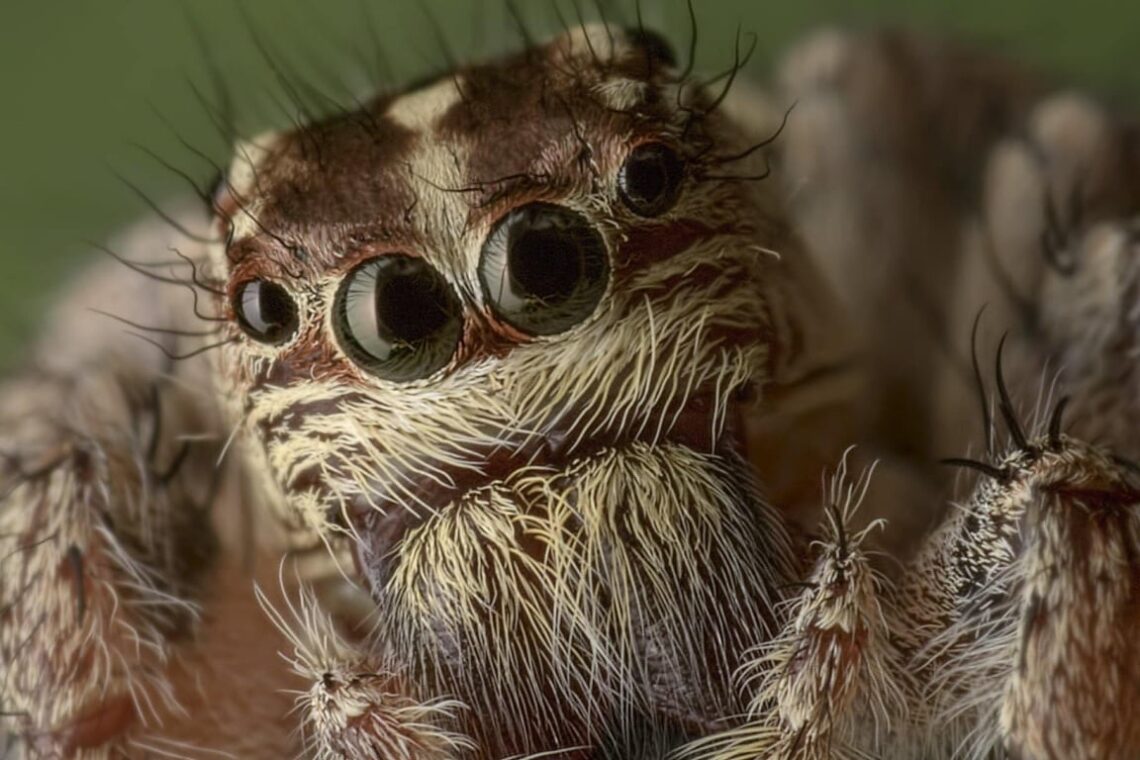
Can Spider Bites Cause Hair Loss?
The fear of spiders, known as arachnophobia, is one of the most common phobias worldwide. This fear is often fed by urban legends and myths, one of which is that spider bites can lead to hair loss.
Although some studies have investigated the possible medical applications of certain spider poison, such as developing painkillers or antitoxins, there is a lack of rigorous research that links spider bites to hair loss in humans.
The idea that spider bites lead to hair loss is a myth and lacks substantial scientific support. Hair loss is a complex phenomenon that is influenced by a variety of factors, and spider bites are not included.
But is there any scientific basis for this claim? In this article we will explore the world of spider bites, their possible effects on human health, and whether there is any truth in the idea that they can cause hair loss.
What is the theory behind whether spider bites can cause hair loss?
The belief that spider bites can cause hair loss has been maintained for generations, often passed on through anecdotal stories.
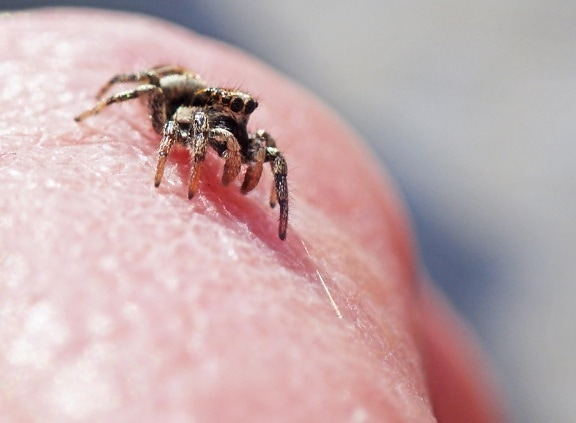
The theory behind this myth is the assumption that spider venom contains substances that can damage hair follicles, leading to hair loss in the affected area. However, reality is much more complex than this simplistic notion.
Understanding Spider Poison
In order to determine whether spider bites can actually cause hair loss, we first need to understand which components spider poison consists of.
Spider poison are complex mixtures that vary widely between different spider species.
Although some spiders possess venom that is powerful enough to eliminate or kill their prey, substantial scientific evidence is lacking for the idea that these venoms directly affect human hair follicles.
Scientific Research and Evidence
Research into spider bites and their effects on humans is limited and often inclusive.
Although some studies have investigated the possible medical applications of certain spider poison, such as developing painkillers or antitoxins, there is a lack of rigorous research that links spider bites to hair loss in humans.
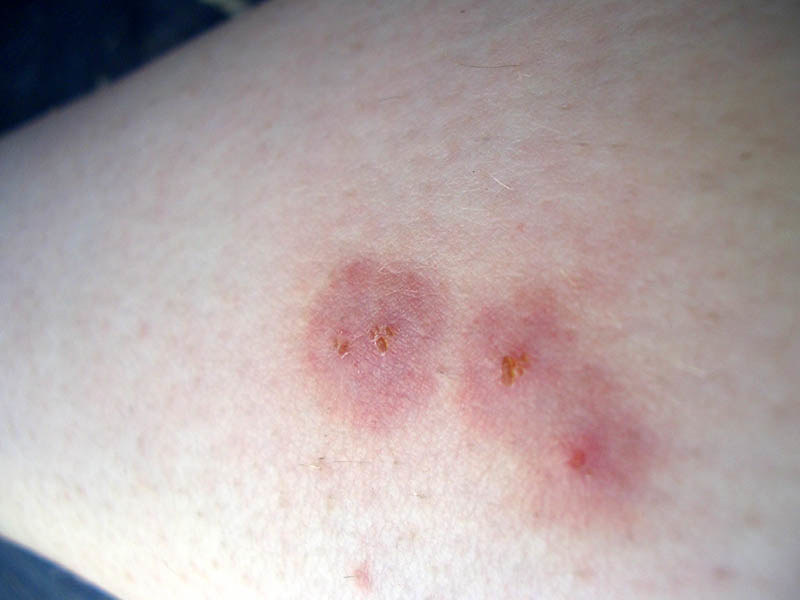
It is important to note that the majority of spiders are harmless to humans.
Only a small percentage of spiders produce venom that can potentially cause some health effects in humans, and severe reactions are extremely rare.
Causes of Hair Loss
Before hair loss is attributed to spider bites, it is crucial to consider the numerous well-established causes of hair loss. These include:
- Genetics: The most common cause of hair loss is hereditary and is known as androgenic alopecia, or male/female baldness.
- Hormonal Changes: Hormonal imbalances, such as those during pregnancy, menopause, or certain medical conditions, may lead to temporary or permanent hair loss.
- Medical disorders: Autoimmune diseases such as alopecia areata, scalp infections, and certain skin disorders can all contribute to hair loss.
- Medical Treatments: Chemotherapy and radiation used to treat cancer often result in hair loss as a side effect.
- Stress and Diet: Emotional stress and poor diet without essential nutrients can also affect the health of the hair.
- Hairstyling Practice: Excessive use of heat, tight hairstyles, and chemical treatments can cause hair damage and breakage.
In this article I go into the causes from hair loss.
Can all spider bites cause hair loss?
No, the majority of spider bites are harmless and do not cause hair loss. Only a few species have poison that can cause local reactions in humans.
Are there documented cases of spider bites causing hair loss?
Although there are anecdotal stories, it lacks well documented, scientifically rigorous cases where spider bites are associated with hair loss in humans.
How can I prevent hair loss?
Maintain a healthy lifestyle, manage stress, avoid excessive heat and hard styling, and consult a medical professional if you are worried about hair loss.
What am I supposed to do if I get bit by a spider?
Most spider bites cause mild reactions similar to insect bites (itching, redness).
Keep the area clean, apply ice for swelling, and seek medical attention if symptoms worsen or if you suspect you've been bitten by a toxic spider.
Spiders in the Netherlands
There is no scientific evidence to support the claim that spiders found in the Netherlands, or anywhere in the world, can cause hair loss due to their bites.
The idea that spider bites lead to hair loss is a myth and lacks substantial scientific support. Hair loss is a complex phenomenon that is influenced by a variety of factors, and spider bites are not included.
It is important to remember that the vast majority of spiders are harmless to humans and have no venom that can cause significant health effects, let alone hair loss.
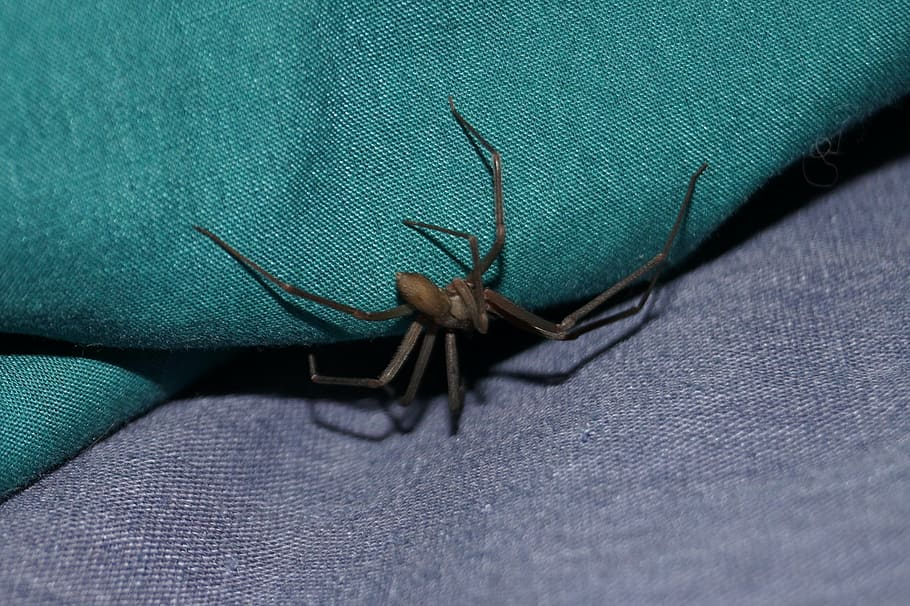
Spiders that are able to cause toxic bites are rare, and even in cases of toxic bites the effects are usually limited to local pain, swelling and irritation.
If you experience hair loss or worry about the health of your hair, it is recommended to contact a medical professional who specializes in dermatology or hair disorders.
They can help to identify the underlying causes of your hair loss and recommend suitable treatments or management strategies based on your individual circumstances.
In summary, the idea that spiders can cause hair loss in the Netherlands or elsewhere is an unfounded myth.
When it comes to health and biology, it is crucial to rely on accurate scientific information and to consult qualified experts for advice.
Common Spider Species in the Netherlands:
- Garden pin (Araneidae): These are large, web-woven spiders often found in gardens and wooded areas. They make complicated circular webs to catch flying insects.
- Domestic spider (Tegenaria spp.): These spiders are often found indoors, especially in dark and undisturbed places in houses. They make conical webs.
- Wolf spider (Lycosidae): These are ground-dwelling spiders known for their hunting behavior. They don't spin complicated webs, they actively hunt their prey.
- Zebra spider (Stalticidae): Zebra spiders are known for their agility and characteristic black and white drawings. They're jumpers sneaking up on their prey and attacking.
- Cross spider (Araneidae): Cross spiders are recognized by their lively markings and they often make large, wheel shaped webs in gardens and vegetation.
- Bullet pin (Theridiidae): These include the known "ballweb" or "house" spiders. They make irregular webs in corners and cracks to catch prey.
- Crab spider (Thomisidae): Scratch spiders have a unique appearance resembling crabs. They don't spin webs, they rob insects on flowers and plants.
Conclusion
In the world of hair loss, spider bites remain a peripheral care rather than a significant cause. Although the fear of spiders is natural, it should not be primary concern to attribute hair loss to their bites.
Instead, understanding the well-defined causes of hair loss and seeking professional advice in significant hair thinning are more constructive approaches.
The myth of spider bites causing hair loss underlines the importance of critical thinking and trusting scientific evidence.
As we continue to explore the mysteries of the natural world, it is essential to distinguish between folklore and substantiated information.
Remember that the vast majority of spiders are harmless and contribute positively to ecosystems by regulating insect populations.
So, although spider bites can cause fear, it's unlikely that they cause hair loss.


You might like this too.

Werkt Foliumzuur werkelijk tegen haaruitval?

Vitamin deficiency & Hair loss: The Untranslated Truth (Complete Action Plan) 🔍