Does Colloidal Silver help against Hair Loss?
Hair loss is a common concern for many people, and in the search for effective solutions some have resorted to alternative therapies, including colloidal silver. Colloidal silver is a suspension of small silver particles in a liquid, and it is praised for its potential health benefits, including promoting hair growth.
The idea that colloidal silver could possibly help with hair growth is based on its alleged antimicrobial properties. Some proponents of colloidal silver believe that it can help with certain head disorders and promote a healthier environment for hair follicles. Here's the hypothesis:
In this blog we will explore the relationship between colloidal silver and hair loss, discuss scientific evidence and deal with frequently asked questions. Towards the end you will have a better understanding of whether colloidal silver can indeed help with hair loss.
Concept of Colloidal Silver
Colloidal silver has a long history of use as an alternative. It gained popularity in the early 20th century as an antibacterial agent, but since then its use has expanded to various health-related applications.
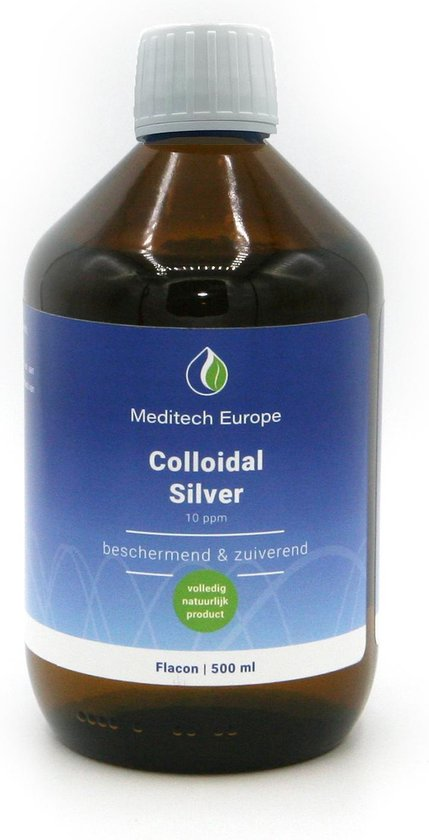
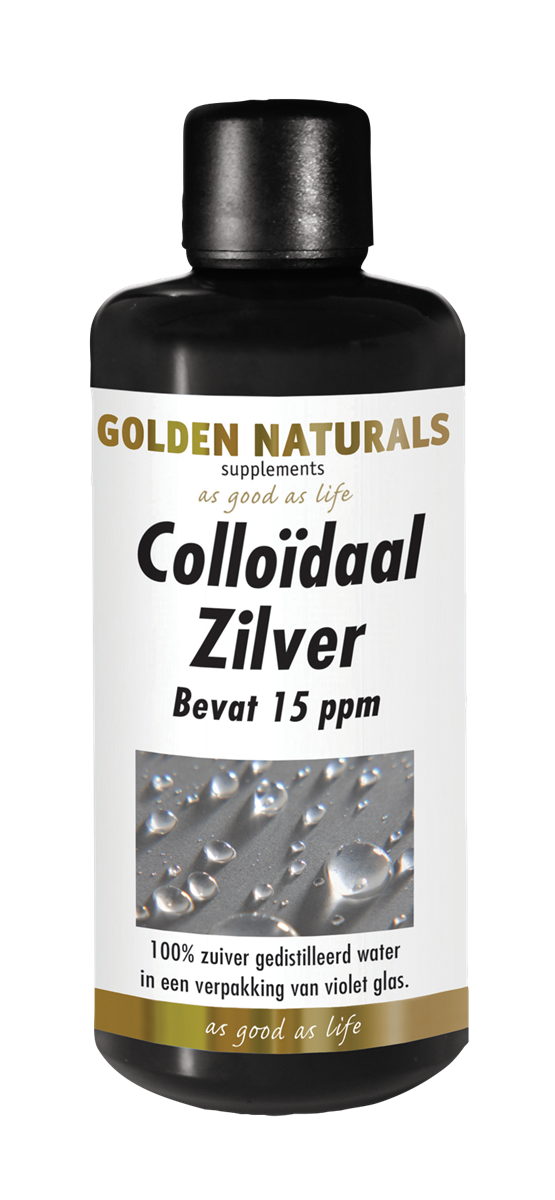
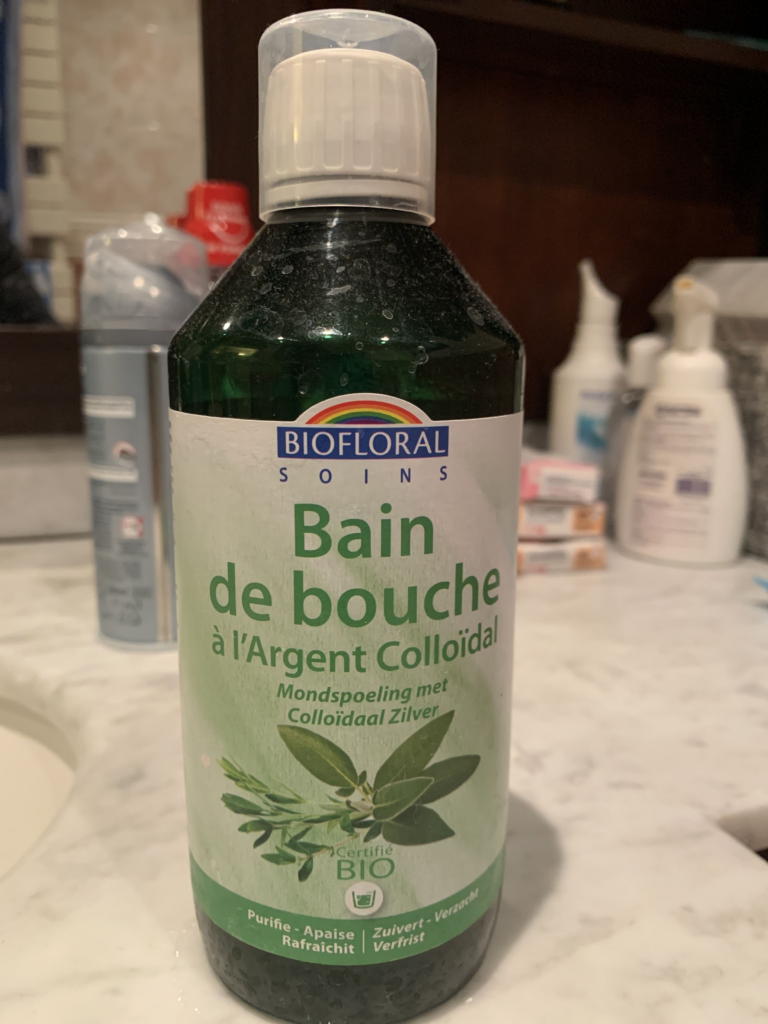
Colloidal silver is available in various forms, including liquid suspensions and topical products, and is often promoted as a natural remedy for numerous ailments.
The Hypothesis: How Colloidal Silver Can Help with Hair Loss
The idea that colloidal silver could possibly help with hair growth is based on its alleged antimicrobial properties. Some proponents of colloidal silver believe that it can help with certain head disorders and promote a healthier environment for hair follicles. Here's the hypothesis:
- Healthy scalp: A healthy scalp is crucial to optimal hair growth. It is believed that colloidal silver has antimicrobial properties that can help treat scalp problems such as dandruff, fungal infections or inflammation. By maintaining a clean and healthy scalp, advocates suggest that hair follicles can function more efficiently.
- Reduction of Inflammation: Chronic inflammation of the scalp may contribute to hair loss. Some proponents of colloidal silver claim that its anti-inflammatory properties can help to reduce inflammation on the scalp, creating a more favourable environment for hair growth.
- Potential Antibacterial Effects: Bacterial infections on the scalp can damage hair follicles and hinder hair growth. It is thought that colloidal silver has antibacterial properties that can fight such infections and allow follicles to thrive.
Scientific Evidence and Hair Loss
It is essential to evaluate whether the hypothesis of the potential benefits of colloidal silver for hair loss is supported by scientific evidence.
However, we can investigate related scientific findings and principles
Antibacterial Properties
Colloidal silver has indeed demonstrated antimicrobial activity against various bacteria, fungi and viruses. This could be relevant if head conditions such as infections or inflammation contribute to hair loss. However, it is important to gently apply colloidal silver to the scalp, as excessive or prolonged use may have adverse effects, including argyria (discolouration of the skin).
Inflammation and hair loss
Chronic inflammation of the scalp may be associated with hair loss disorders such as alopecia areata. Reducing inflammation can have a positive effect on hair growth. Although colloidal silver has anti-inflammatory properties, its application to the scalp should be carefully considered as the concentration and frequency of use may affect the results.
Lack of Clinical Studies
It is important to note that there are no large-scale, well-controlled clinical studies specifically investigating colloidal silver as treatment for hair loss. Without such studies, it is difficult to draw definitive conclusions on its effectiveness.
FAQ
Can I apply colloidal silver directly to my scalp to promote hair growth?
While some individuals use colloidal silver topically on the scalp, it is crucial to be careful. Excessive or improper use of colloidal silver can lead to argyria, a condition characterized by blue-grey discoloration of the skin. Consult a healthcare professional before using colloidal silver in this way.
Are there known risks associated with the use of colloidal silver for hair loss?
Yes, there are risks associated with the use of colloidal silver, including argyria and possible toxicity. Excessive or prolonged use can lead to accumulation of silver in the body, resulting in adverse effects. It is important to follow dosing guidelines and consult a healthcare professional.
Are there safer and more effective alternatives to tackling hair loss?
There are FDA approved hair loss treatments, such as minoxidil and finasteride, which have been extensively clinically tested and have a proven track record. These treatments should be considered before exploring alternative remedies.
Can a healthy diet and lifestyle affect the health of the hair?
Yes, maintaining a balanced diet, sufficient hydration, stress management and good hair care habits can contribute to the overall health of the hair. Nutrient deficiency and chronic stress may contribute to hair loss.
Conclusion
Although colloidal silver has become popular due to the potential health benefits, including promoting hair growth, scientific evidence to support its effectiveness for hair loss is limited.
Although it indeed has antimicrobial and anti-inflammatory properties that can theoretically be beneficial to scalp health, caution should be exercised when considering its use.
Excessive or improper use of colloidal silver may cause undesirable side effects, including argyria. For people seeking effective solutions to hair loss, FDA approved treatments such as minoxidil and finasteride are well-established options with a proven track record.
It is important to consult a healthcare professional before starting treatment for hair loss to ensure safety and effectiveness. Eventually, although colloidal silver may have its merits in certain applications, its role in addressing hair loss remains largely unproven in scientific literature.
For people seeking effective solutions to hair loss, FDA approved treatments such as minoxidil and finasteride are well-established options with a proven track record. It is important to consult a healthcare professional before starting treatment for hair loss to ensure safety and effectiveness. Eventually, although colloidal silver may have its merits in certain applications, its role in addressing hair loss remains largely unproven in scientific literature.


You might like this too.

Can her grow back on scars?

What's the best place in the world for a hair transplant?