


Een ongelijke haarlijn: waarom het gebeurt en moet je je zorgen maken over haaruitval?
Okay, let's face it. If you're reading this, you've probably been spending too much time in front of the mirror lately, studying your hairline like it's a work of art at the Rijksmuseum. Maybe you even secretly made photos with your phone under different lighting conditions . . . . . morning, . . evening, with flash, without flash. And now you're wondering, "Shit, am I going bald?"
Welcome to the club. You're certainly not the only one.
I went through this obsession myself, like millions of others. And after years of research, conversations with experts, and yes, also some mistakes, I share everything I've learned about hairlines. Not the polished marketing talk you see everywhere, but the real stories, the practical tips, and especially: the things no one dares to tell you.
This video explains this issue very well!
Why Everybody Lies About "Normal" Hairlines
Let's start with the biggest lie in the hair industry: that there is such a thing as a "normal" hairline. Bullshit.
I remember going to my hairdresser at 22 and asking: "Is my hairline normal?" He looked at me like I asked if water was wet. "Of course it's normal," he said. But what does that even mean?
After looking at literally thousands of photographs of men (for research, of course), I came to a surprising conclusion: There's no standard. The variation is enormous. Some guys naturally have a straight line like a ruler. Others are born with inlets deeper than the Marian trench. And guess what? Both are perfectly normal.
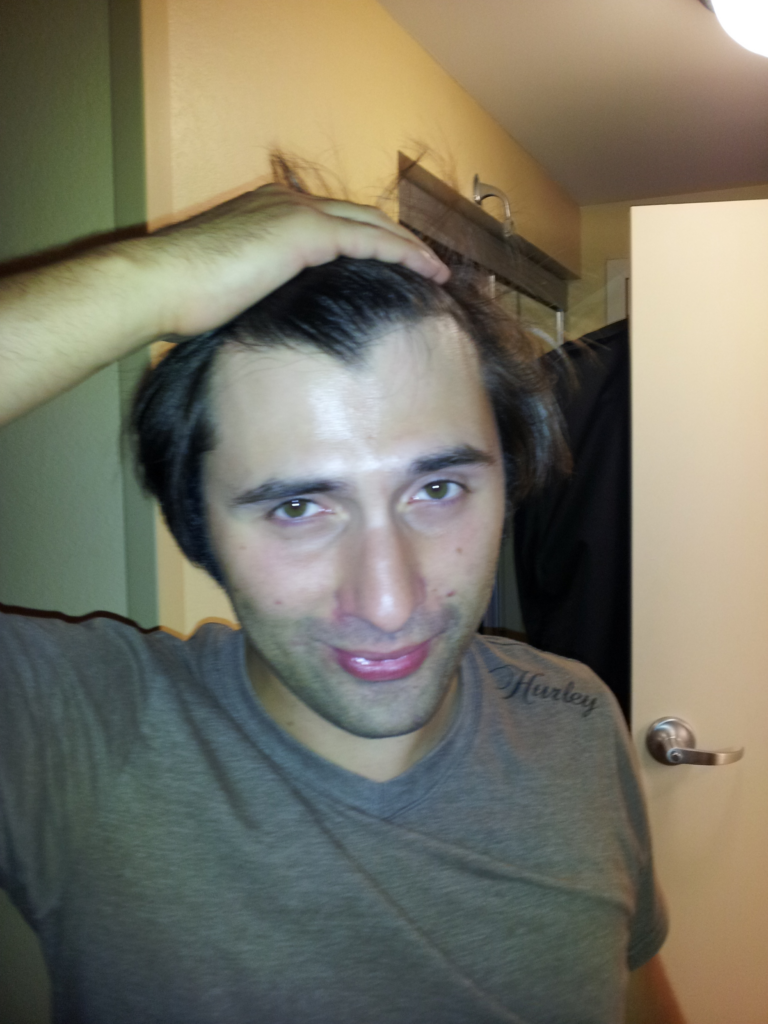
The uncomfortable truth about male hairlines:
Your iPhone camera is lying to you. Seriously. That front camera is distorting everything, especially your forehead. I can't tell you how much panic I've caused myself by selfies. Use a real mirror, with natural light, if you really want to know what you look like.
The mature hairline is a fancy term for: "You're getting older, deal with it." Between the 17th and 29th, almost everyone's hairline pulls back. This isn't baldness. This is biology. Your body simply adds some definition to your face.
Asymmetry is the norm, not the exception. My left side has always been a little higher than my right. For years, I thought something was wrong. Until I realized that this is just my face, just like my left eye is slightly smaller than my right.
What they don't tell you about "straight hair lines":
Okay, we need to talk about those perfect hair lines you see on Instagram. Those guys who look like their hairline was drawn with a geotriangle.
Here's the secret: they're not real.
Most of these "tight" hairlines are the result of:
- Perfect lighting and camera angles
- Strategic editing (yes, people photoshop their hairline)
- Lots of gel and styling
- Or in some cases: a very good (and expensive) hair transplant
I know a guy who €8000 spent on a hair transplant to get that perfect straight line. It does look great, but he has to go back every 6 months for touch-ups because the rest of his hair grows differently than the transplanted pieces.
The Female Hairline: The taboo that nobody discusses
Let's get this straight: women lose her too. But where men can at least openly complain about their bald spots, women often have to endure this in silence.
My sister only told me after years that she had had problems with her hairline since she was 25. "I never dared to talk about it," she said. "People think only men go bald."
The real causes of hairline problems in women (which you may forget to mention doctor):
Hair bands are the silent killer of female hair. Especially those little black rubber bands you buy at the Action. Those things always pull the same spots off your hairline. After years of daily use you can literally see bare spots where the rubber band was.
I call it Instagram hairline syndrome: Women wearing hairstyles so tightly pulled back that their hairline is literally gonna pull off. That slicked-back look so popular? That's her suicide.
Hormones are a bitch. I'm sorry about the directness, but it's true. Pregnancy, birth control pills, menopause, anything can affect your hairline. And the worst? Doctors don't take it seriously. "It'll grow back," they say. But sometimes it doesn't.
The hidden cause no one calls: Lack of sleep and stress. I know women who literally pluck her around their hairline during their studies or a stressful job. The stress hormones eat your hair from the inside.
The postpartum hairline catastrophe: Nobody likes to talk about this, but after the birth many women lose so much hair that their hairline looks like a lawnmower went over. This could take months, and nobody's really preparing you.
Forum Questions Who Everyone Has (But Shame to Count)
After years of luring on different hair forums (yes, I admit it), I made a list of the questions that come back constantly. Here are the honest answers:
"Help! I see white dots on my scalp where my hair was... am I bald?"
Take it easy, cowboy. These white dots are probably just sebum (natural skin oil) or old skin cells. If you can scratch your nail, it's not permanent baldness. Permanent baldness looks smoother and shiny.
"My hairline looks different on photos than in the mirror "what's true?"
The mirror, 100%. Cameras, especially phones, distort your face. Lighting also plays an enormous role. I have photos of myself where my hairline looks terrible, and others where it seems perfect. Trust the mirror in good light.
"Is it normal for your scalp to see through your hair?"
Yes! Especially in people with fine hair or light skin color. This doesn't mean you're going bald. I've seen my scalp through my hair all my life, and my hairline has barely changed in 15 years.
"How many hairs a day is normal?"
Between 50-100 hairs a day. But here's the kicker: If you don't wash your hair for a few days, you're gonna see more outage when you finally use shampoo. This doesn't mean you lose more hair. You just see the build-up.
"Why is my hairline different in the morning from my evening?"
Because you literally shape her by how you sleep, what you do, and how you style it. In the morning it is pressed flat, in the evening it has the volume and movement. Plus, fatigue and swelling can also affect how your scalp looks.
"Can stress really cause hair loss, or is that a myth?"
It's real, and it's worse than most people think. I know someone who got literally bald spots from stress during his divorce. The good news: stress-related hair loss is usually temporary. The bad news: It could be months before you see it, months before it grows back.
The Financial Truth: What Treatments Really Cost
🧬 HARLINE TREATMENT MASTER GUIDE
💊 Treatment Effectiveness vs. Cost Comparison
Benefits:
- Highest success rate (83% stop loss)
- Oral meddication
- FDA approved since 1997
- Also effective for crown area
Cons:
- Possible libido adverse reactions (2-5%)
- Use forever = for life
- Not for women (pregnancy)
- 3-6 months for results
Benefits:
- Safe for men and women
- No systemic adverse reactions
- OTC available (pharmacy)
- Increases blood flow to follicles
Cons:
- Apply 2x daily (discipline)
- Can irritate scalp
- Initial shedding first months
- Especially effective for Crown, less hairline
Benefits:
- Permanent result (own hair)
- Natural appearance as well done
- One-time investment principle
- Boost confidence significantly
Cons:
Benefits:
- Completely natural process
- Stimulates own growth factors
- Minimal side effects
- Combines well with other
Cons:
- Results very variable
- Multiple sessions required
- Time consumption (monthly)
- Scientific evidence limited
Benefits:
- Zero side effects
- Cheap and accessible
- Improves general health
- No medical supervision
Cons:
- Very low success rate
- Waste time at real loss
- Misdirection marketing claims
- Only preventive, not curative
Benefits:
- Immediate visual result
- Works at each degree loss
- Low maintenance procedure
- No medical side effects
Cons:
- No real hair (cosmetic)
- Fades over time
- Limited style options
- Hard to reverse
. Age Based Treatment Timeline
• Monitor changes
• Lifestyle optimization
• Consider minoxidil as early signs
• NO finasteride yet
• Consider Finasteride Safe
• Combination minoxidil + finasteride
• Monitor results 6-12 months
• Best response age group
• All meds on the table
• Consider PRP if budget allows
• Plan hair transplant as needed
• Focus on stabilisation
• Hair transplantation prime time
• Continuous medication for donor
• Realistic expectations important
• Long-term strategy planning
• Focus on what works
• SMP excellent option
• Embrace mature look option
• Cost-benefit analysis key
💰 Hidden Costs No One Tells You
💊 Finasteride Hidden Costs
✂️ Hair Transplant Extra Costs
🔄 PRP/Micronedling Reality
📊 Opportunity Cost Analysis
🚫 Mythen vs. 📋 Reality
MYTHEN
"Finasteride makes you impotent"
Reality: 2-5% experience libido issues, usually reversible. Media is overreacting.
"Hair transplantation always looks fake"
Reality: Bad clinics are, good clinics are invisible. You only see the failed cases.
"Natural remedies are equally effective"
Reality: Saw palmetto, biotin, etc. have minimal evidence. Marketing > science.
"DHT blockers are dangerous"
Reality: Millions of men use it safely. Risk derivatives are overrated.
"When you stop everything grows back"
Reality: You fall back to baseline in 6-12 months. No rebound effect.
REALITY
Most men tolerate finasteride perfectly
95-98% have no side effects. It's one of the safest drugs.
Modern hair transplants are incredible
FUE techniques + experienced surgeons = natural results that no one recognizes.
Minoxidil works, but is mainly maintenance
65% see improvement, but especially in Crown area. Not magic, but effective.
Timing is everything with hair loss
Early intervention = better result. Waiting makes everything harder and more expensive.
Combination therapy gives best results
Finasteride + minoxidil + microneedling > any single treatment.
📊 Important Statistics
🌳 Treatment Decision tree
Start conservative
2. Ketoconazole shampoo
3. Monitor 6 months
4. Consider finasteride as progression
More aggressive approach
2. Microneedling weekly
3. Advanced plan graft
4. Consider PRP if budget allows
Budget
• Kirkland minoxidil
• Self microneedling
• Nizoral shampoo
Modern investment
• Professional PRP
• Dermatologist consultations
• Quality Supplements
Premium approach
• Hair transplantation planning
• Regular monitoring
• Latest technology access
💡 Key Takeaways
The best treatment is the one that you consistently maintain.
Start early, be realistic about results, and focus on evidence-based treatments. Most people overestimate side effects and underestimate costs.
Remember: You're more than your hairline. Treat it as optimization, not as obsession.
No one talks about money when it comes to hairlines, but let's face it, this isn't cheap.
Minoxidil (Rogaine): €20-40 a month, for the rest of your life. Yes, forever. You quit, you lose everything you've won in 3-6 months.
Finasteride (Propecia): €30-60 a month, even forever. Plus possible side effects that nobody likes to talk about (libido problems, depression in some people).
Hair transplantation: €3000-15000, depending on what you need. And often after 10-15 years, you need a second session because the rest of your hair keeps falling out.
PRP treatments: €200-400 per session, and you need more. Results are... volatile.
Scalp micropigmentation: €1500-4000, keep 3-5 years before you need touch-ups.
Here's the bald truth: Most people who start hair loss treatments eventually spend thousands of euros over the years. Plan this budget, because it never ends.
The Psychological Side: Why Your Hairline Shouldn't Determine Your Life
Okay, time for a reality check. I've had friends who became so obsessed with their hairline that they:
- Appointments canceled because it was "bad her day"
- Avoiding swimming
- Always wearing hats
- Let their dating lives be guided by their hairline
Here's what I learned: See the people around you It's much less on than you think.
I once asked my girlfriend if she had noticed that my hairline had changed over the years. She looked at me and said, "Honestly? No. I'm not paying attention to that." And she's the one who looks at my face the most!
The 5-meter line: If someone 5 meters away can't see your hairline problems, they're probably not real problems. Most hairline "issues" are only visible from very close, under bright light, or on photos.
The reality of social media: The guys with perfect hairlines on Instagram? Look at their fathers and grandfathers. Genetics doesn't lie. And remember, they have a team of photographers, lighting experts, and editors.
Unconventional Tips That Real Work
After years of experimenting, here are a few things I've learned that nobody tells you:
Scalp massage with a dermaroller: Not those expensive treatments at clinics. Just one. €15 dermaroller of 0.5mm, once a week. It stimulates blood circulation and can really help. But don't expect miracles.
The pillow trick: Sleep on a silk pillowcase. It reduces friction and breaks less hair. Especially important for women with sensitive hairlines.
Cold shower head final: That last 30 seconds of your shower, cold water over your head. It closes the haircuticles and stimulates the scalp. Feels terrible, works well.
The hidden power of biotin: Not those expensive supplements, but just biotin-rich foods. Eggs, nuts, sweet potatoes. I noticed difference after 3 months of consistently eating 2 eggs a day.
Styling secrets no one shares:
- Never use a towel to dry your hair. Dep it dry or use a microfiber cloth.
- Never blow your hair completely dry. Let the last 20% dry in the air.
- Gel is your enemy. It pulls your hairline and can hide follicles.
The Uneasy Talks: Family, Partners, and Work
Let's talk about the elephant in the room: How do you discuss hairline problems with the people around you?
With your partner: Honesty works best. My friend noticed I was obsessed with my hair before I told her. The conversation was awkward, but it helped enormously. Now she reminds me if I'm staring too much in the mirror.
With family: Harder. Especially if hair loss is genetic in your family. My father went bald at 30, and every time we saw each other, he stared at my hairline. It just made it worse.
At work: This is sensitive. I know people who missed promotions because they thought their hair loss made them look "parent." Unfortunately, in some sectors this is still a thing.
Dating: Be honest in your dating profile photos. Do not use photos from 5 years ago if your hairline has changed significantly. It'll come out on the first date anyway.
Red Flags: When you really gotta fuck off To An Expert
There are certain situations where you should swallow your pride and seek professional help:
Sudden hair loss: If you lose significant hair within 3 months, something else is going on. This may indicate autoimmune disorders, thyroid problems, or severe stress.
Itching and pain: Her loss shouldn't be painful. If your scalp is itching, sore, or red, you may have an infection or skin condition.
Round bald spots: This usually indicates alopecia areata, an autoimmune disease. This requires medical treatment.
Hair that comes out with the root: Healthy hair breaks down. Unhealthy hair comes out with root and all. If you see whole hair with a white ball on it, something's wrong.
Changes in texture: If your hair suddenly gets frizzier, thinner, or grover, this may indicate hormonal changes or nutritional shortages.
The Industry Lies: What You Must Know About "Wonder Resources"
The hair industry is full of snake oil sellers. Here are the biggest red flags:
"30-day results': Bullshit. Hair cycles last for months. Any product that promises quick results lies.
"Of course and without side effects': Anything strong enough to stop hair loss is strong enough to have side effects.
"Tested by dermat Often this means that one dermatologist has looked at it and said "it probably won't hurt."
Expensive shampoos: A good shampoo can keep your scalp healthy, but it won't stop hair loss. Save your money.
Laser helmets: These work... a little. But they cost €3000+ and the results are minimal for most people.
Practical Daily Routine For Optimal Hairline
After years of experimenting, here's my daily routine that really works:
In the morning:
- Cold flush of 30 seconds
- No shampoo every day (3x per week max)
- Never comb straight back when wet
- Sunscreen on your scalp when you're outside (this everyone forgets)
In the evening:
- Scalp massage during brushing (2 minutes)
- Never sleep with wet hair
- Silk pillowcase (sounds gay, works really)
Weekly:
- Dermaroller session (0.5mm, 10 minutes)
- Deep skin conditioning
- Making photos for progression (hate it, but it works)
Monthly:
- Getting hair cut by someone who knows how to lose hair
- Update of supplements
- Fair assessment in the mirror
The Future: What's really coming
Forget those sci-fi stories about growing her in a lab. Here's what really becomes available:
JAK inhibitors: These medicines are already used for other conditions and show promising results for hair loss. Possibly available within 5 years.
Improved PRP: The current PRP is hit or miss. New versions with added growth factors are coming up.
Micro-hair transplantation: Smaller procedures, less invasive, but more often. Instead of one major operation, multiple small sessions.
Smart topicals: Creams that only deliver ingredients when the scalp needs them. Less side effects, better results.
But honestly? For most people, the current treatments are good enough. The problem isn't technology. It's expectations.
The Costful Mistakes I Made (So You Don't Have To Make)
Error #1: Start aggressive treatments early. I started with finasteride when I was 19 for a hairline that was probably just "ripping." Wasted years and money.
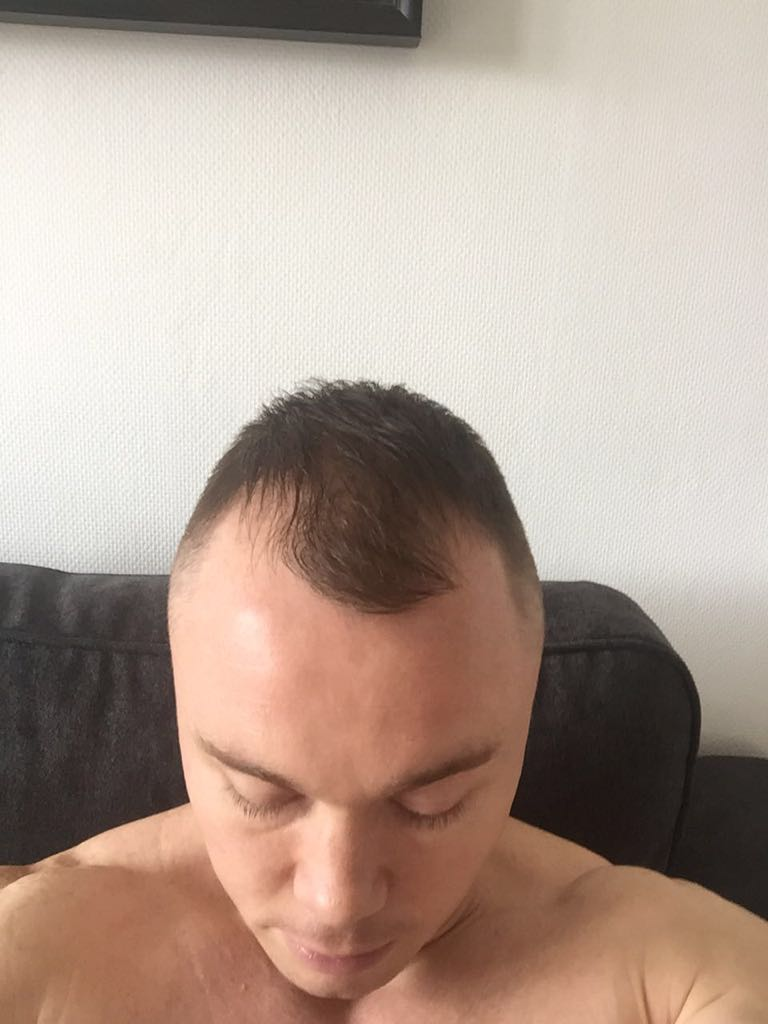
Error #2: Try too much at once. Minoxidil, finasteride, scalp massages, supplements, special shampoos all at once. I had no idea what worked and what didn't.
Error #3: Expectations too high. I thought treatments would bring back my 16-year-old hairline. It won't.
Error # 4: Obsessive photography. Taking pictures of your hairline every day is a highway to madness. Do it monthly, max.
Error #5: Try cheap alternatives. That one. €5 "minoxidil" by Alibaba? Spoiler alert: it does not work.
Error #6: Don't be honest with myself. For years denying that my hairline changed, while it was clearly visible on photos.
The Fair Conclusion: Acceptance vs. Action
Here's the hard truth no one wants to tell you: For some people treatments work great. Not for others. And that's okay.
I know guys who have spent thousands of euros and are still unhappy with their hair. I also know guys who have gone all bald and look fantastic.
The secret isn't finding the perfect hairline. It's finding the perfect balance between what you can change and what you have to accept.
When you're 20 and your hairline starts to change, try conservative treatments. Minoxidil, good scalp care, healthy lifestyle. See what happens.
If you're 30+ and you're clearly losing significant hair, seriously consider options like finasteride or hair transplant. But do your research and have realistic expectations.
What if you're 40+ and you've already lost a lot of hair? Maybe it's time to consider just dealing with it. A good barber can do miracles, and honestly? Many women find a little grey sleep and a mature hairline more attractive than a 40-year-old man who desperately tries to look like 20.
The ultimate truth: Your hairline doesn't determine your value as a person. It does not affect your intelligence, your humour, your ability to love or to be loved. It's just her.
But if it makes you happy to do something about it, then do it. And if it makes you happy to accept it as it is, so do it.
The only thing that's not okay is letting your life be ruined by something that ultimately is just a cosmetic issue.
Now I'm gonna stop writing about her and actually live. And so should you.
P.S. Stop Googling "Am I balding" at 2:00 in the morning. That doesn't help anyone.


You might like this too.
The truth about hard water and the shocking effects on your hair!

The Truth About Onion Juice For Your Hair: Does it really work? 🧅


