

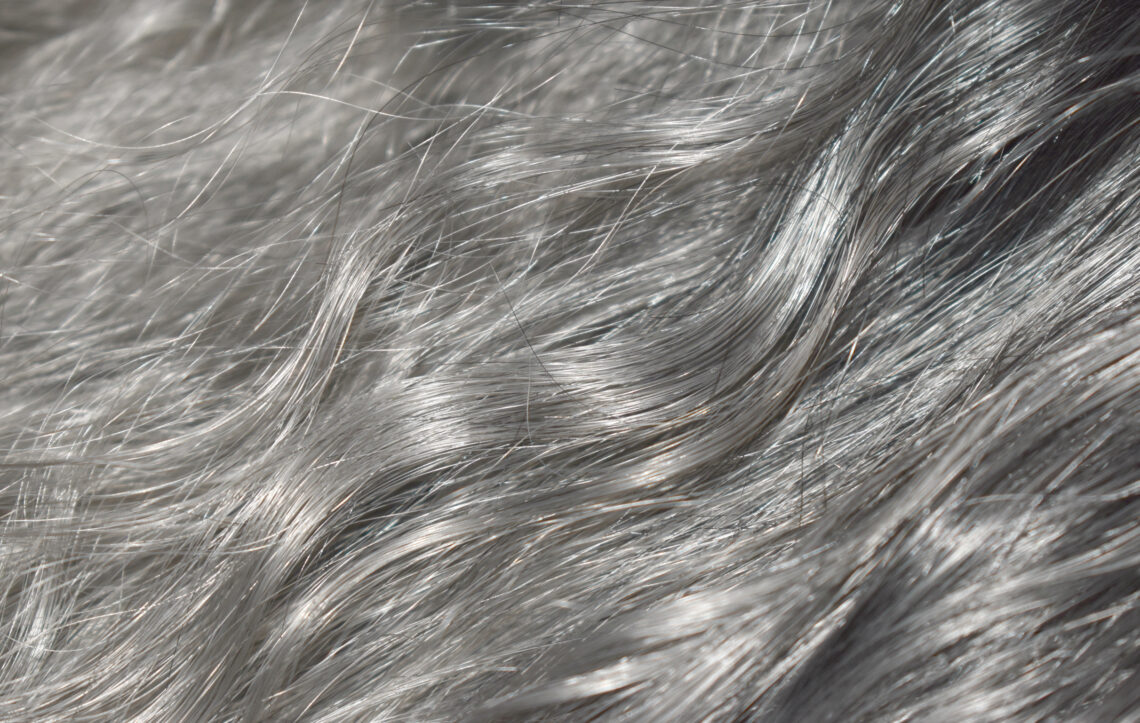
The Complete Guide to Grey Hair: From Voorkommen to Omarmen
See those first silver threads appear in your ordinary hair color?
Then you probably recognize that feeling of panic, stress and complete denial that something really changes your appearance. You're absolutely not alone in this experience, gray hair touches us all sooner or later in our lives. But here comes the good news you've been waiting for: You have much more control over this process than you probably think.
This video gives good insight on this subject.
Why is her actually becoming gray?
The hard truth that many people prefer not to hear is that chronic stress is often the main culprit behind premature greying of hair.
When your body is under constant pressure, your nervous system starts pumping excessive amounts of noradrenaline through your entire system. This hormone activates the stem cells in your hair follicles in a way that is far too intensive, causing these crucial cells to leave their natural position and migrate to other areas in your scalp.
The real problem arises because these slim stem cells are not replaced by new ones, which means that when new hair grows, there are simply no stem cells available to make the pigment cells that give your hair its original, natural color.
A normal, healthy hair follicle functions under conditions of low oxidative stress and has a highly active DNA repair system that works constantly to repair damage. In addition, such a healthy follicle contains high levels of natural antioxidants and the enzyme catalase, which breaks down hydrogen peroxide before it can cause damage.
⚡ _
Your lifestyle significantly increases your chances of premature gray hair. But don't panic action helps! 💪
Without changes, you'll probably see significant grey hair within 2-5 years.
You're in the middle zone. With smart adjustments you can reduce the risk considerably! 📈
Congratulations! Your lifestyle supports healthy hair follicles. Keep it up! 🌟
You have the base in order. With small optimizations you can do this!
In grey hair you see exactly the opposite pattern: there is high oxidative stress, a weak functioning DNA repair system, low levels of protective antioxidants and a shortage of the crucial catalasia enzyme.
This difference in balance between healthy and gray hair follicles is something you can actually influence by the right approach and lifestyle changes.
Grey Hair Becoming Again Dark: Myth of Reality?
Here comes a surprising plot twist that many people don't expect: Sometimes gray hair can indeed return to its original, dark color.
The key to this apparent miracle lies in completely eliminating the extreme stress caused by the gray hair initially. Scientific research shows that when chronic, extreme stress suddenly falls out of someone's life, the hair follicles can actually recover and the natural pigment production can restart.
This phenomenon has been observed especially in people who have endured an extremely stressful period, think of a severe separation, the loss of a loved one, a burn-out, or other life-changing events, and then by targeted interventions, therapy, or drastic lifestyle changes have calmed down.
However, and this is an important nuance, this recovery mechanism essentially works in hairs that have become relatively recent grey, usually within a period of several months to a year. Hairs that have been gray for years have probably undergone permanent changes in their follicle structure and are very likely not returning to their original colour.
The realistic expectation is that complete reversal from gray to dark hair remains rare, but significantly slowing down the grey process and preventing further greying is much more realistic and feasible for most people.
Gray Hair Road Without Paint: The Natural Route
For people who do not want to use chemical dyes and artificial hair dye products, there are fortunately several proven natural strategies available.
Stress Management as a Foundation
Effective management of stress forms the absolute basis of any natural approach to gray hair, because stress as previously explained is the primary trigger for the gray process.
Concrete actions that you can undertake daily are daily meditation sessions of at least ten minutes, regular exercise that increases your heart rate and releases endorphins, prioritizing seven to nine hours of quality sleep per night, and learning specific breathing exercises that activate your parasympathic nervous system.
🧬
The Complete Science. Simplely explained. 💡
- 10 min meditation/day
- 8+ hours sleep
- Respiratory exercises
- Sport 3x/week minimum
- Blueberries daily
- Dark chocolate 70%+
- Green tea
- Walnuts & spinach
- B-Complex + PABA
- Glutathione
- Spermidine
- Katalase boosters
Fact: Bullshit. 1 follicle = 1 hair 🤷
Fact: Biologically impossible. Takes months 📅
Fact: 25% have gray hair before 25 😮
Start today. See results in 3-6 months.
The reason why this approach is so effective lies in the fact that less stress directly results in less noradrenaline production, resulting in healthier, more protected hair follicles that are better able to maintain their natural pigment production.
Nutrition as Powerful Medicine
Using food as a cure for grey hair means prioritizing antioxidant-rich foods that help your body fight against the oxidative stress that causes gray hair.
Bluecurrants contain powerful anthocyanins that improve blood circulation to your scalp, while pure dark chocolate with at least seventy percent cocoa resveratrol and flavonoids provides that counteract cell damage. Green tea offers catechins that inhibit inflammation processes, walnuts deliver omega-3 fatty acids that strengthen the hair structure, and dark green leaf vegetables such as spinach contain folic acid and iron that are essential to healthy hair growth.
Specific foods that may increase the level of catalasia in your body are broccoli, cucumber, kiwi and apples, as they enhance the natural ability of your body to break down harmful hydrogen peroxide before it can damage your hair follicles.
The Right Supplements for Optimal Results
Scientific research has shown that certain supplements may have significant effects on the occurrence and delay of gray hair.
A B-Complex vitamin containing PABA (para-aminobenzoic acid) actively supports the process of hair repigmentation while ensuring overall healthier hair structure and growth. Several studies indicate that PABA can specifically help to restore natural pigmentation in hair follicles.
Spermidine is a fascinating supplement that activates the process of autophagia, this is the natural mechanism by which your cells clean up old, damaged parts and replace them with new, healthy structures. This supplement has proven anti-aging properties and can help to eliminate the cellular damage that contributes to gray hair.
S-Acetyl Glutathione is the most bio-available form of glutathione, one of the most powerful antioxidants your body produces itself. Research consistently shows that people with gray hair have significantly lower glutathione levels, thus supplementing this crucial substance constitutes a logical and effective intervention.

Lifestyle Optimization for Long-Term Results
Avoiding certain lifestyle factors is just as important as adding positive habits to your daily routine.
Smoking significantly accelerates the grey process due to increased production of free radicals and reduced oxygen supply to your hair follicles. Excessive exposure to sun UV radiation can damage the delicate structures in your hair, while aggressive hair treatments such as chemical permanents, bleaches, or too hot styling tools can disrupt your hair's natural protection mechanisms.
On the other hand, regular sleep patterns, adequate hydration, gentle hair care and consistently applied stress reduction techniques can significantly enhance your natural ability to withstand gray hair.
Vitamin B12 Against Grey Hair: Hype or Scientific Hope?
The relationship between vitamin B12 and gray hair is more nuanced than many people think and requires a fair, scientifically substantiated explanation.
A deficiency of vitamin B12 can indeed cause premature gray hair, as this essential vitamin is crucial to the health of your nervous system, the production of red blood cells, and various metabolic processes that directly affect your hair follicles. However, the question that concerns many people is whether B12 supplement existing gray hair can actually reverse its original color.
Vitamin B12 does indeed support the overall health of your nervous system, helps to efficiently produce blood cells that transport oxygen and nutrients to your hair follicles, and can prevent further greying when there was a deficiency.
However, B12 cannot reverse existing gray hair to its original color, it does not perform medical miracles, and it cannot overrule or neutralize genetic factors that contribute to gray hair.
The conclusion is that B12 can be very preventively effective, especially in people with proven deficiency, but it is not curative for pre-existing gray hair.
The best natural sources of vitamin B12 are dietary yeast (especially for vegetarians and vegans), fatty fish such as salmon and mackerel, crustaceans, eggs from free-range chickens, organic dairy products, and high-quality B12 supplements for people eating vegetable food.
Early Grey, earlier Death?
This is the terrifying question that concerns many people with early gray hair, but they rarely dare to put it out loud to their doctor or in conversations with friends.
Scientific research indeed suggests certain links between premature gray hair and specific health risk derivatives, but it is crucial to put this information in the right context to avoid unnecessary panic.
Studies may have found increased risk
However, and this cannot be emphasized enough, correlation absolutely does not mean the same as causality ostensibly gray hair is usually a symptom of underlying factors such as chronic stress or unhealthy lifestyle choices, not the direct cause of health problems.
The real story is that chronic stress often causes both gray hair and various health problems, that oxidative stress can indeed affect multiple organ systems at the same time, and that the quality of your lifestyle plays a key role in both your hair colour and your overall health.
The logical solution is therefore to address the underlying causes of . . . . . . . . . . . . . . . . .
Average Age Grey Hair Woman
The timeline on which women develop gray hair varies considerably from ethnic background and is influenced by different biological and environmental factors.
White women begin to develop the first gray hairs on average in their mid-thirties, while women of Asian origin usually only see the first signs of greying in their late thirties. African-American women generally have the most happiness and usually only develop significant gray hairs in their mid-forteen years.
An interesting biological phenomenon is that women generally turn grey later than men, probably due to hormonal differences, specifically the protective effects of oestrogen on hair follicles.
These differences between ethnic groups can be attributed to genetic factors that affect melanin production, different hair structures that retain pigment in unique ways, and variations in lifestyle and environmental factors that may differ between cultures.
However, it is essential to remember that these are averages and that your personal experience may deviate completely from these statistical standards.
Factors that can significantly influence this timeline are your family history (which is about eighty percent predictive of when you will turn grey), your chronic stress level, your dietary pattern and any deficiency, smoking habits that affect blood circulation, and certain medications that can disrupt natural pigment production.
Gray Hair Accelerate: When You Want the Process Consciously Omarmen
Here comes an interesting plot twist that not many people expect: Some individuals actually want to get gray faster because they embrace the distinguished, mature look that comes with silver hair.
The reasons why people consciously opt for faster graying are often the desire to get a distinctive, mature look that radiates authority and wisdom, the desire for an authentic, natural appearance without the constant worries about hair dye, and simply no longer feel the time-consuming and costly hassle of coloring their hair roots.
Natural ways to support this process are to completely stop coloring your hair so that the natural gray process can become visible, using specific silver-enhanced shampoos that emphasize gray tones and neutralize yellow pull, and consciously accept and stylize the transition period with professional advice.
However, it is crucial to stress that artificially accelerating gray hair by consciously damaging your hair follicles is absolutely not advisable, as this can cause permanent damage to your scalp and hair structure.
Which hair doesn't turn grey?
This topic pertains to the fascinating genetic lottery in which some lucky individuals seem to fully emerge from the gray dance throughout their lives.
The reasons why certain people are extremely late or not at all gray are mainly in their superior genetic heritage, with their melanocyte stem cells remaining active and functional for much longer than average. These people often have naturally lower basal stress levels, a genetically determined better production of body's own antioxidants, and more efficient DNA repair mechanisms that prevent cellular damage.
Certain hair types generally retain their original color, including thick, coarse hair that contains more pigment cells per hair strand, naturally dark hair that has more melanin reserves, and hair that is consistently well cared for with natural, protective products.
The honest truth, however, is that this is primarily a matter of genetic lottery . . . . you can significantly slow down the grey process due to the right lifestyle choices, but completely preventing for the rest of your life is not biologically realistic for most people.
What is A Normal Age to Become Grey?
In the medical and cosmetic world professionals often use the "50-50-50 rule" as a general guideline: At the age of 50, about 50% of the population has developed 50% gray hair.
The normal age ranges for developing gray hair are as follows: In your twenties, gray hair is rare but still within normal variation, especially in people in stressful occupations or with genetic predisposition. In your thirties, gray hair becomes quite common, especially among professionals dealing with chronic work stress. In your 40s, developing gray hair is perfectly normal and expected, while people of 50 years and older almost always show some degree of greyness.
Too early to gray is defined as significant graying for your twentieth year of life, normally early to gray in your 20s to 30s, average in your 40s to 50s, and late to gray means significant changes after your 60s.
Is it possible to become gray?
Although this seems to be an unusual question, it deserves a serious and scientifically substantiated answer because it pertains to the fundamental biology of hair aging.
Yes, almost everyone will eventually develop gray hair unless other biological factors are more likely to play a role in their life story.
The natural process follows a predictable pattern: The stem cells in your hair follicles gradually become exhausted by normal aging, oxidative stress, and genetic programming. Then the melanin production stops because functional pigment cells are no longer present. New hairs then grow without natural pigment, resulting in a gradual transition from your original hair color to grey and eventually white.
The speed with which this process takes place varies enormously per individual and is determined by your genetic heritage (which is by far the biggest factor), your lifestyle choices such as nutrition and stress management, your chronic stress level and how effective you deal with it, your overall health and any underlying conditions, and various environmental factors such as air pollution and UV exposure.
Can Grey Disappear her again?
This is the question worth millions of euros that almost everyone is concerned with and deserves a fair, realistic answer.
The short answer is that it is sometimes possible, but that it remains rare and occurs only under very specific conditions.
The comprehensive response requires discussion of specific scenarios where recovery is theoretically possible: when extreme, chronic stress is completely removed from one's life, when severe nutritional deficiencies such as B12, folic acid, or iron are corrected, when certain medication effects that cause greying are removed, and when hormonal imbalance is restored by medical intervention.
Realistic expectations, however, are crucial to avoid disappointment: Recently greyed hair (within a few months) has about ten to twenty percent chance of partial recovery under optimal conditions. Long-existing gray hair that has been around for years has less than five percent chance of meaningful recovery. Complete reversal from all grey to original color remains extremely rare and is only reported anecdotally.
A much more realistic and feasible goal is to stop or significantly slow down the grey process instead of reversing already present gray hair.
What does it say when you get gray early?
Early gray hair often acts as an important message from your body that can signal various underlying factors.
Possible signals that can send your body through early gray hair are a chronic stress overload that exhausts your system, specific nutritional deficiencies that affect your hair follicles, a strong genetic predisposition passed on from your parents, hormonal imbalance that disrupts various body functions, and an overload of oxidative stress that overwhelms your natural defence mechanisms.

However, it is important to stress that early gray hair doesn't necessarily have to be bad news to many people find early gray hair actually very distinguished and attractive, it can radiate character and life experience in a positive way, and it can be a very attractive feature that distinguishes you from others.
Constructive actions that you can take when getting gray early are a fair evaluation of your chronic stress levels and implementing effective stress reduction strategies, optimizing your diet with focus on antioxidants and essential nutrients, considering targeted supplementation after consulting a health care provider, and ultimately making a conscious choice to embrace or manage your gray hair in a way that suits your personal style and self-image.
Grey Hair with Highlights: The Modern Elegant Approach
For people who want the best of both worlds to accept their natural gray process while retaining some control over their appearance . . . highlights offer a sophisticated and practical solution.
The reason why highlights work so well in grey hair is that they create a gentle, gradual transition between your natural hair color and the grey sections, resulting in a natural-looking end result that does not seem artificial or exaggerated. Moreover, this approach requires much less maintenance than the full coloring of your hair, and it works harmoniously with your natural ageing process instead of fighting it.
Popular professional techniques that work excellent in gray hair are baby lights, which are subtle, very natural looking highlights that imitate sunshine in your hair. Balayage is a hand-painted technique that creates a beautiful grade effect without hard lines. Foilyage combines the precision of traditional foil highlights with the natural appearance of balayage.
Colours that work particularly well in grey hair are different ashy blonde tones that complement the silver tones, cool brown tones that add warmth without clashing, platinum accents that shine the gray hair, and even strategically placed silver highlights that accentuate and celebrate your natural gray hair.
The Psychology of Grey Haar
The development of gray hair goes far beyond just a change in your physical appearance.It touches fundamental aspects of identity, self-image, and how you see yourself in relation to society.
The emotional impact of gray hair can be significant and often involves confrontation with the natural aging process and what that means to your self-perception, shifts in how to define and present your identity to the world, challenges to your self-confidence if you are not ready for this change, and the social pressure that still exists to look young and energetic.
Healthy mindset shifts you can make are the transition from denial to acceptance of your natural ageing process, shifting camouflage tactics to actually improving and highlighting your natural beauty, and the transformation of shame over gray hair to pride in your life experience and wisdom.
A crucial pro tip you should always remember: your hair does not define you as a person You define how to handle your hair and what it means to you.
Practical Daily Tips for Optimal Results
For people who want to work actively to minimize gray hair by natural methods, here are concrete, executable daily routines.
An effective morning routine starts with an antioxidant-rich smoothie that contains blue berries, spinach, and walnuts, followed by a ten-minute meditation session that reduces stress for the day, and a soft scalp massage that stimulates blood circulation to your hair follicles.
Your evening routine should consist of a stress reduction activity such as yoga, reading, or a hot bath, prioritizing seven to nine hours of quality sleep because recovery mainly takes place overnight, and a nurturing scalp routine with natural oils such as rosemary or peppermint.
Weekly habits that can enhance your results are a deep-conditioning hair treatment with natural ingredients, a fair evaluation of your stress levels and any adjustments in your approach, and checking that your supplements are still optimally tailored to your needs.
Monthly check-ins should consist of an objective assessment of your hair condition, a thorough assessment of your lifestyle and any improvement points, and if desired a professional consultation with a trichologist or qualified hair specialist.
The Future of Grey Hair Treatment
The scientific community is working hard on innovative treatments that can become available to people who want to tackle their gray hair in the coming years.
Emerging research focuses on stem cell therapy that can restore the natural regeneration of hair follicles, gene therapy capabilities that can influence the genetic factors behind gray hair, advanced topical treatments that penetrate deeper into the hair follicle than current products, and personalized medicine approaches that align treatments to individual genetic profiles.
Current innovations that are already available or coming soon include improved supplements with better bioavailability, a deeper scientific understanding of the exact mechanisms behind gray hair, natural treatment protocols based on the latest research, and more effective combination therapies.

A realistic timeline for real breakthrough treatments is likely to be in the next five to ten years, although incremental improvements in existing treatments take place continuously.
Conclusion: Your Choice, Your Story
Here's the fundamental truth that matters: Gray hair doesn't mark the end of your story or your attraction .It simply opens a new chapter in your life that can be as meaningful and beautiful as all previous chapters.
You have several realistic options to choose from: You can choose to actively combat it by natural methods, supplements, and lifestyle changes, you can manage it through professional styling techniques such as highlights and strategic color treatments, or you can fully embrace it and rock that silver fox look with pride and style.
The most important takeaways to remember are that effective stress management is absolutely crucial to maintaining your natural hair color, that good nutrition and targeted supplements can actually help slow down the process, that genetics plays a big role but not everything, that complete reversal from gray to original color remains rare, that prevention is much more effective than trying to curate, and that your personal choice is always the right choice as long as it suits your values and lifestyle.
The bottom line is that whether you opt for natural intervention, professional treatment, or simply embrace your silver lure, the most important thing is that it is your conscious, considered decision that is based on what you want and what suits you.
Grey hair is not a defeat or a sign of failure.It can become your distinctive signature that makes you unique and distinguishable from everyone else.
The question you need to ask yourself is: What best suits your lifestyle, your values, and your own image of who you are and who you want to be?
Because in the end it's not about the specific color of your hair or following external expectations of how you should look like.
It's all about how you feel when you look in the mirror in the morning and see the person looking back at you.
And that feeling of self-acceptance, self-confidence, and authenticity, you have it entirely in your own hands, regardless of the color of your hair.
Remember: This information is purely educational. For personal situations and medical questions, always ask a qualified healthcare professional or specialist.


4 reactions
Pingback:
Pingback:
Pingback:
Pingback: