

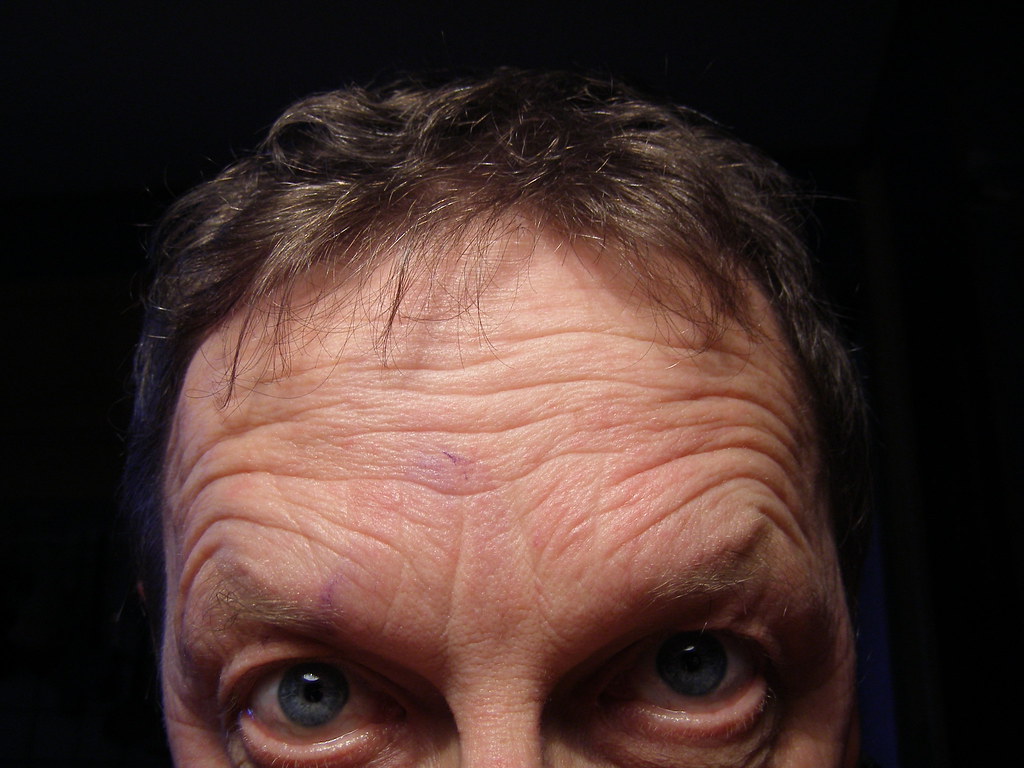
Forehead Shrink For Calming People: The Complete Guide!
Let's be honest.
Baldness can destroy your confidence. Look in the mirror every morning and see how your hairline keeps pulling back? Painful.
But there's hope.
Decrease forehead gains ground as a tactical solution for balding people. But does it really work? Let's dig deeper into what you need to know before you choose this route. 👇
In the video below you see an example of forehead reduction
Forehead Shrink: The Base
Forehead reduction is a surgical procedure with a clear purpose: Bring up your hairline.
This is crucial to understand:
- The does not stimulate new hair growth
- The repositions existing hair
- It creates a optical illusion Of more volume
Traditionally it was purely aesthetic, but more and more balding people see it as a way out.
Why? Because direct results offers. Don't wait months like on medication.
The attraction makes sense:
- Hair loss disturbs your facial harmony
- A smaller forehead restores visual balance
- Balance = more attractive face
The procedure itself is gradual:
- Surgeon makes incision along hairline
- Remove excess forehead skin
- Hairline pulled forward
- Incision is carefully closed
Result? A smaller forehead and a more balanced face.
Big Forehead Woman: Why The Pain Point Is Greater
For women, a high forehead is often more problematic than for men.
Why? Social expectations.
An aesthetically ideal female hairline has its middle point about 6 to 6.5 cm above the point between the eyebrows. Higher? Then it can cause uncertainty.
For women with hair loss this is particularly painful:
- Thinner hair makes the forehead visually larger
- Female baldness is less socially accepted
- Styling options may feel more limited
Many women hide their foreheads for years with ponies or voluminous hairstyles. Forehead reduction offers a more permanent solution.
Pro tip: Dark hair against light skin accentuates a large forehead. Consider lighter hair tones if you go for non-surgical options.
Hairline Decrease Without Operation: Options For the Careful
Not everyone's ready for surgery. Fortunately, there are alternative routes:
1. Strategic Hair Styling
- Ponys and side separation hide height
- Volumeous styles create illusion of lower forehead
- Manipulate color contrast perception
2. Temporary Toppers
- Haircuts and extensions (direct result)
- Hairfibers (Toppik, Caboki) fill thin spots
- Microblading (semi-permanent tattoo for hairline)
3. Stimulating Treatments
- Minoxidil (5%) specific on hairline
- LED light therapy stimulates existing follicles
- Microneedling increases product uptake
4. Nutrition hormone balance
- Biotin supplements strengthen existing hair
- Supplementing zinc and iron shortages
- DHT-blocking products inhibit further thinning
Patience is key here. These methods do not offer instant satisfaction such as surgery.
Realistic expectation: You will see small, gradual improvements that can become significant together.
Hairline Decrease Woman: Specific considerations
For women, hairline reduction is often more effective than for men.
The female scalp typically shows more flexibility, giving the surgeon more room for movement. Depending on this flexibility, the hairline can be reduced between 0.5 and 3 cm.
Interesting detail: dark skin generally has more flexibility than light skin. This translates to potentially better results.
You want to know what's possible for your particular situation? Try this self-test:
- Place three fingers (wise, middle and ring finger) just behind your hairline
- Move them up and down as you push your skull
- Observe how much freedom of movement you feel
The mobility you experience plus about 0.5 cm gives a rough indication of the expected result.
For women with androgenic alopecia (female pattern hair loss), timing is crucial. Ideally:
- Wait for your hair loss pattern to stabilize
- Combine with anti-hair loss treatments
- Plan the procedure when your general health is optimal
Female primary reduction has a success factor of approximately 85-90% with careful patient selection.
Hairline Decrease Costs: Financial Reality
Let's talk about money. Because this is not a small investment.
Costs vary considerably depending on:
- Geographical location (large cities = higher prices)
- Surgeon expertise (more experience = premium price)
- Complexity of your case (extended procedure = higher costs)
- Type of anaesthesia (local vs. overall)
- Clinic facilities (hospital vs. private clinic)
Average price range in the Netherlands and Belgium: €3,000 p.a. €8,000.
But don't forget the hidden costs:
- Prior consultations (€100-250 per session)
- Postoperative medication (€50-150)
- Lost working days (variable)
- Follow-up appointments (€50-150 per visit)
- Possible correction procedures (up to 25% of original costs)
Insurance almost never covers these procedures, as they are considered cosmetic. Unless a medical necessity can be demonstrated.
Indirect Costs
- Working leave: 1-2 weeks income loss
- Travel expenses: For arrangements and procedure
- Home Help: Possible need in first days
- Custom Power Supply: Specific needs during recovery
Hidden Costs
- Care products: Special cleaning agents, SPF
- Painkilling: Over-the-counter medication
- Custom head cover: Protection during recovery
- New hair styling products: For optimal results
ROI Considerations
- Career benefits: Studies show that more attractive people often earn more
- Social impact: Improved self-confidence can lead to better relationships
- Psychological profit: Reduction of daily stress and self-awareness
- Saved time: Less time needed to camouflage hair styling
For balding people this is often a matter of perspective. Is it an expense or an investment in yourself?
Budget tip: Ask for payment plans. Many clinics offer monthly payment options without interest.
Forehead Reduction Price: What are you paying for?
The price tags vary, but what do you get for your money?
Hairline Decrease Cost Calculator
A complete forehead reduction typically includes:
- Pre-operative screening (blood tests, health check)
- Surgical facility (Operational chamber, equipment)
- Medical team (surgeon, anesthesiologist, nurses)
- Operation materials (tires, bandages)
- Post-operative care (first 24-48 hours)
- Basic Follow-up Agreements (usually 2-3 visits)
Premium clinics may offer additional services:
- Luxury recovery facilities
- Transportation to/from the clinic
- 24/7 access to care team via phone
- Comprehensive aftercare products
- Digital Follow-up Options
At first sight, this seems expensive. But many see it as an investment in their mental well-being and professional future.
Reality Note: The cheapest option is rarely the best. Prioritize experience and results above price.
Large Forehead Shrink: The Transformation Process
The journey to a smaller forehead is more than just the operation itself.
Before the Procedure
- Consultatie: Surgeon assesses your facial relations and hairline
- Planning: Digital simulations show potential results
- Preparation: Stop smoking, avoid blood thinners
- Mental preparation: Set realistic expectations
During the procedure
- Anesthesia: Local with sedation or completely under anaesthetic
- Incision: Strategically placed for minimum visibility
- Skin mobilisation: Head is detached and moved
- Closure: Careful adhesion for minimal scars
Immediately after the intervention
- Observation: 3-4 hours at the clinic
- Possible overnight stay: In more complex cases
- Guidance required: Regardless of the way home
First Recovery Period (Week 1-2)
- Expected: Swelling, bruising, discomfort
- Food: Start with easily digestible food
- Rest: Minimum physical activity
- Health care: According to strict instructions
Medium Term (Week 3-8)
- Swelling is decreasing: Face is starting to look more normal
- Scar Blur: From red to lighter
- Activity: Gradual return to normal routines
- No sport: Up to 6-8 weeks after surgery
Long term (3-18 months)
- Sensitivity: Headache may have temporarily reduced sensation
- Scar Refinement: Getting less visible
- Hair styling: New options open
- Final result: Fully visible after 12-18 months
For balding people, this trajectory is often more emotional. The promise of a reset for your appearance carries psychological weight.
Forehead Shrink Man: Special considerations
For men, forehead reduction is more complex than for women.
Most surgeons recommend restraint, with good reasons:
Biological Factors
- Progressive hair loss: Male baldness typically continues
- Stronger frontal muscles: Can put more tension on incisions
- Thicker skin: May lead to more prominent scars
Aesthetic Challenges
- Natural male hairline: Has specific patterns that are difficult to recreate
- Future hairline change: May reveal scars that were first hidden
- Unnatural result: Risk of "pop-like" or female appearance
Alternative Options for Men
- FUE/FUT hair transplantation: More natural for male patterns
- Scalp Micropigmentation: Creates illusion of shaved head
- Medical treatments: Finasteride + Minoxidil combination
- High quality haircuts: Modern, undetectable options
However, there are exceptions. Men who can be good candidates:
- Stable hair loss pattern (Norwood Class 3 or lower)
- Realistic expectations
- Preparedness to use life-long anti-hair loss treatments
- Specific facial shape benefiting from custom hairline
Case study: Marc, 42, experienced head reduction after years of stable hair loss. Key to its success: conservative displacement (only 1 cm) and simultaneous hair transplantation for natural density.
Possible Complications And Aftercare: Be prepared
Any surgical intervention shall involve risk derivatives. Be prepared:
Potential Complications
- General hair dilution: Reported by 1% of patients
- Visible scars: Especially in case of excessive tension on incisions
- Asymmetry: Challenge for faces with natural asymmetry
- Infections: Increased risk due to proximity to it
- Nervous system injury: May lead to temporary or permanent numbness
- Haematoma: Blood build-up under the skin
- Necrosis: Thirteen (rare but severe)
Essential Aftercare
- Antibiotics: Usually azithromycin for first 3 days
- Main position: Sleep increased reduces swelling
- Wound care: Strict hygiene according to protocol
- Food: Hydration and nutrients for optimal healing
- Activity restrictions: No sports or heavy lifting (6-8 weeks)
- Sun protection: Crucial for scar quality (minimum 12 months)
Red Flags: When Direct Contact Record
- Fever above 38°C
- Increasing redness or heat around incision
- Uncommon swelling or pain
- Fluid or pus from the wound
- Open scar
- Extreme headache or dizziness
For balding patients special attention is needed for the remaining hair follicles. Treat them carefully to prevent further hair loss.
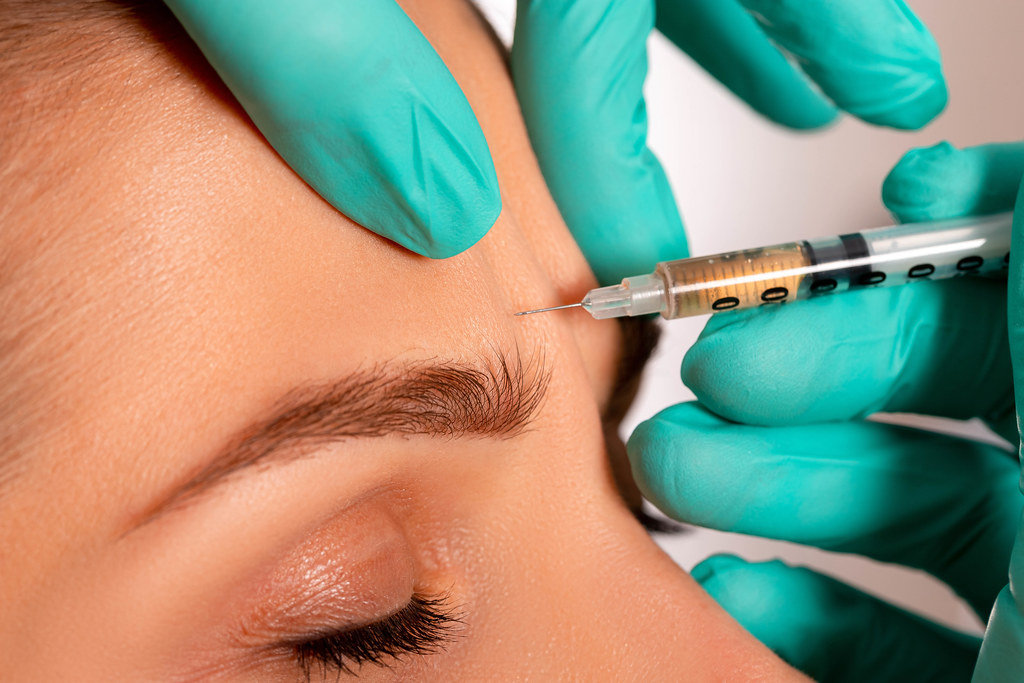
Hairline Decrease For Calming People: Is it the right choice?
Now let's answer the key question: is shrinking forehead a good option if you're balding?
It depends on several factors:
When it's meaningful
- Stable hair loss pattern: No active progression
- Good hair quality around hairline: Sufficient darkness/density
- Realistic expectations: Understand it doesn't cure loss of hair
- Good candidate according to surgeon: Headache flexibility, scar healing
- Prepare for a combination approach: Surgery + medication + hair care
When it's less meaningful
- Actively advancing hair loss: Results will deteriorate
- Very thin hairline: Won't hide scar properly
- Unrealistic expectations: Expected full "healing" of baldness
- Limited budget space: Cannot invest in long-term care
- Medical contraindications: Certain skin disorders, diabetes, smoking
The Hybrid Approach (often Optimal)
For many, a combined strategy is the most effective:
- Stabilise hair loss first: Medicine, nutritional adjustments
- Then consider surgery: Forehead reduction for facial balance
- Refine with hair transplantation: Natural density
- Maintenance Results: Lifelong preventive care

This creates synergy: Each element strengthens the other.
Forehead Shrink For Calming People: Success stories
Let's look at real experiences:
Thomas (38)
Situation: Norwood class 3, retracted temporal angles Procedure: 1.5 cm hairline reduction + FUE transplantation Result: "After years of uncertainty, I can finally look back in the mirror without immediately seeing my hairline. It literally changed how I see myself."
Annemiek (42)
Situation: Female pattern diffuse hair loss Procedure: Conservative hairline reduction (0.8 cm) Result: "The subtle difference has a huge impact. People say I look rested without realizing what has changed."
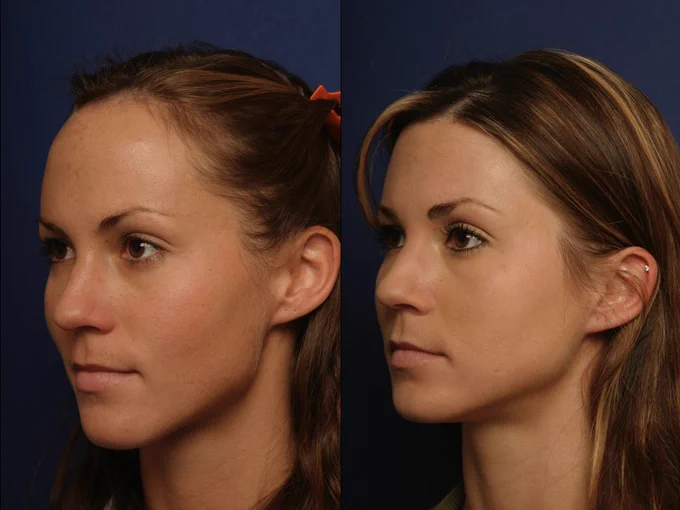
Robert (45)
Situation: Pronounced forehead after years of stable hair loss Procedure: 2 cm hairline reduction with temporal adjustments Result: "The proportions of my face have changed completely. My wife says I look 10 years younger."
These stories show a common theme: It's not about the hair itself, it's about facial balance and self-perception.
Conclusion: Make Your Informed Choice
Shrinking can be an effective solution for balding people, but it's not a miracle cure.
Let's summarize the key points:
What It Does
- Improves Face Balance and Proportions
- Creates instant visible difference
- Reduces visibility of withdrawn hairline
- May significantly improve confidence
- Provides permanent improvement of facial frame
What It Doesn't Do
- Does not stop underlying hair loss process
- Doesn't create new hair growth
- Do not resolve diffuse dunning
- Guarantees no perfect results
- Doesn't work for everyone
The best candidates understand both sides of the coin.
Your Action Plan
- Consult specialist: Be evaluated by experienced surgeon
- Stabilise hair loss: Start non-surgical treatments
- Research Options: Compare head reduction with alternatives
- Set realistic targets: Focus on improvement, not perfection
- Plan financial: Prepare for the full investment
- Ensuring a long-term strategy: Surgery is just one component
Remember: What works for others might not work for you. Your hair loss journey is as unique as yourself.
Last Thought
Tackling hair loss goes beyond aesthetics. It affects your identity, self-confidence and how you are seen by others.
Whether you choose forehead reduction or another path, the right choice is the one that helps you to feel at ease in your own skin.
Take your time. Research thoroughly. Choose wisely.
Because eventually it's not about your hair, it's about how you see yourself.


You might like this too.

Is the Keto diet good or bad for hair loss?

COVID-19 Vaccines and Hair loss: The Complete Guide Your Doctor Not Gives 💉


