

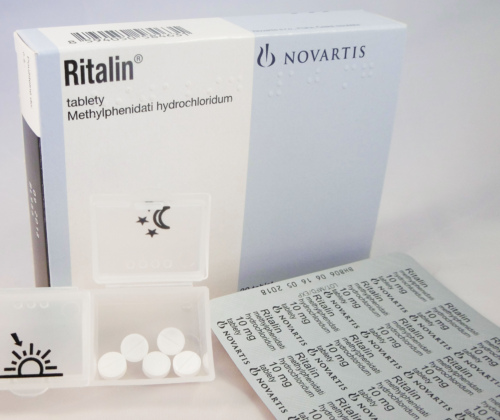
Ritalin & Hair loss: The Uneasy Truth 🔍
Are you worried about your hairline since you started methylphenidate? You're not alone.
In my inbox, questions about ADHD medication and hair loss flow regularly. Today we dive into scientific research and practical experiences.
No sugar. Just facts.
This video clearly explains where to take me when you use ritalin.
Can Methylphenidate Care for Hair loss?
Let's drop the door straight into the house:
There is insufficient scientific evidence that Ritalin causes hair loss directly.
But...
That doesn't mean your experience isn't real.
Some users indeed report hair loss after starting methylphenidate. The question is, what really causes it?
Ritalin & HER RISK CHECK
60 seconds. Your personal risk. Concrete action plan. 🧠💊
Alert! Your risk of Ritalin-related hair loss has been increased.
Direct action required. Follow these steps to protect your hair:
- Make a direct appointment with your psychiatrist and dermatologist
- Start with daily food diary (use app)
- Start with protein shake before medication-taking
- Reduce styling with heat (dryer, straightener)
- Consider extended-release formulation of Ritalin
Watch this! Your risk is on average but increasing. Prevention is crucial.
Now acting prevents problems later:
- Plan nutrient-rich meals, even without hunger
- Improve your sleep hygiene (no bed screens)
- Use mild shampoo without sulphates
- Avoid tight hairstyles that pull your hair
- Massage your scalp daily (30 seconds)
Good news! Your risk of Ritalin-related hair loss is low. Simple steps keep it that way.
Stay in control with these simple habits:
- Stay well hydrated (2L water per day)
- Eat varied with sufficient protein
- Do not wash her more than 2-3x a week
- Avoid heat styling where possible
- Ensure adequate sleep (7-8 hours)
The Biological Connection
Ritalin affects your central nervous system. It increases dopamine and noradrenaline levels in your brain.
But your hair follicles? They follow their own rhythm.
What many people don't know: hair growth has several phases.
- Growth phase (2-7 years) ✅
- Transition phase (10 days) 🔄
- Rest phase (3 months) 😴
- Failure phase 🍂
Any disruption in this process could lead to more hair loss.
The Dopamine Her Link
Interesting fact: dopamine also plays a role in hair growth!
Research from 2018 shows that dopamine receptors occur in hair follicles. When you manipulate these receptors, this can affect the hair growth cycle.
Ritalin increases dopamine in the brain, but what does it do to dopamine in your scalp?
That is still a scientific question mark. 🤔
Which ADHD medications causes hair loss?
Not only is Ritalin under the microscope. Other ADHD medication is also linked to potential hair problems:
- Amphetamines (Adderall, Dexedrine) Like Ritalin, they work on dopamine, but by a different mechanism.
- Atomoxetine (Strattera) Not stimulant, but also here: anecdotal reports of hair loss.
- Guanfacine (Intuniv) Less frequently reported, but occurs in patient feedback.
- Dexmethylphenidate (Focalin) Stronger variant of methylphenidate, same reports.
- Lisdexamethasone (Vyvanse/Elvanse) Long-acting stimulants, similar reports.
Important: Each medicine involves rare, unauthorized side effects.
Ritalin & her: THE HARD HAIR
The scientific truth behind your hairline 💊→💇
💊 The Base
Methylphenidate (Ritalin) = ADHD medication that increases dopamine and noradrenaline in the brain.
⚡ The Effect
Improves focus, reduces impulsiveness and regulates hyperactivity in 70-80% of users.
⏱️ Operation
Peak: 1-2 hours after ingestion. Duration: 3-4 hours (normal) or 8-12 hours (extended release).
Direct Link? This is what Science says:
DIRECT IMPACT? 🚫
- Little scientific evidence for direct damage to hair follicles
- Ritalin acts primarily on the central nervous system, not on hair growth mechanisms
- No chemical structure known for hair toxicity
INDIRECT CAUSES? ✅
- Decreased appetite → nutritional deficits
- Sleep impaired → cell regeneration decreased
- Increased stress → increased cortisol
- Changed blood supply → Fewer nutrients for hair
Critical Nutrients For Hair:
-
✓
Nutrition approach: Protein shake before medication. Iron, zinc and B vitamins supplements after consultation doctor.
-
✓
Sleep optimisation: Fixed sleep times. Medication not after 2 PM. Blue-light filter at night.
-
✓
Medication timing: Consider extended-release formulas. Medical weekends (if possible).
-
✓
Skin care: Mild sulphate-free shampoo. Weekly scalp massage (2 min). Minoxidil 5% at first sign.
-
✓
Monitoring: Monthly photos of hairline/crop. Blood test for food shortages every 6 months.
Stimulants vs. Non-Stimulants
A pattern that stands out:
Stimulating medicines (methylphenidate, amphetamines) appear to be more often associated with hair reports than non-stimulant alternatives.
Why? Possible because of:
- Stronger impact on appetite
- More influence on sleep quality
- More intense effects on the sympathetic nervous system
This explains why some patients see improvement after switching to non-stimulant options.
The Hidden Anger Doers: Indirect Causes
This is where it gets interesting.
ADHD medication can indirectly trigger hair loss:
1. Decreased appetite = Food shortages
Ritalin suppresses your hunger. Less food = less building blocks for healthy hair.
Your hair needs the following:
- Iron ⚙️
- Zinc 🔧
- Vitamin D ☀️
- B vitamins 🌱
- Proteins 💪
- Omega-3 fatty acids 🐟
- Vitamin E 🥑
- Biotin 🥚
Without these nutrients? You protest her by falling out.
Disturbing Statistics:
- 68% of Ritalin users report significant appetite loss
- 42% take up less than 75% of their daily calorie needs
- 31% develops shortages of at least one essential nutrient
These aren't small numbers! 📊
2. Stress Factor
ADHD medication can increase stress. Heart rate increased. More cortisol.
And what does cortisol do to your hair? It can disrupt the growth cycle and cause telogen effluvium hindered fancy term for "your hair falls out in bushes."
The Cortisol-Cyclus:
Ritalin → Increased alertness → Increased cortisol production → Inflammation reactions → Hair follicle damage → Failure
This explains why some users experience more hair loss during periods of intense workload or exam stress.
3. Sleep deprivation
Ritalin + sleep problems = known combination.
Did you know your hair follicles work hardest at night? Without good sleep, no optimal hair growth.
Sleep & Hair: The Scientific Link
During deep sleep phases:
- Increased blood supply to scalp
- Peak in growth hormone production
- Cell regeneration in hair follicles
- DNA recovery in hair cells
Do you regularly miss your REM sleep? You'll miss the golden hours for hair growth.
4. Oxidative Stress
Stimulating drugs increase your metabolism.
Higher metabolism = more free radicals = more oxidative stress.
Oxidative stress affects hair follicles and can lead to:
- Early ageing
- Wake hair shafts
- Delayed growth phase
- Early outage phase
Antioxidants will be your new best friend! .
5. Inflammation processes
New research suggests that chronic, low-grade inflammation plays a role in hair loss.
Methylphenidate may increase inflammation markers, especially with long-term use.
This explains why some people only notice hair changes after months or years of Ritalin use.
Which medications could cause hair loss?
Ritalin's not alone. These drug groups are known for hair loss as side effects:
- Blood thinners (warfarin, heparin)
- Cholesterol inhibitors (statins)
- Antidepressants (especially SSRIs)
- Acne medication (iso likewise)
- Blood pressure decreases (beta-blockers)
- Inflammation inhibitors (non-steroidal anti-inflammatory agents)
- Chemotherapy (almost all resources)
- Hormone therapy (finasteride, anti-androgens)
- Schildkliermedicatie (over or under dose)
- Anticonvulsants (valproic acid, carbamazepine)
Are you on multiple medications? Then it gets harder to identify the culprit.
Medication Interactions: The Hidden Enemy
Combinations can be more dangerous than solo players.
Examples include:
- Ritalin + SSRIs = increased risk of serotonin syndrome + double impact on appetite
- Ritalin + beta blockers = opposite effects on heart rate + increased stress for the body
- Ritalin + thyroid medication = increased stimulation + metabolic overload
Polypharmacology = complex image for your hair.
What Are Side Effects Of Ritalin?
Let's face it, no medicine is perfect.
Ritalin helps millions of people worldwide with focus and concentration. But it has a price tag:
Common side effects:
- Decreased appetite (50-80% of users)
- Sleep problems (20-30%)
- Headache (15-20%)
- Stomach discomfort (10-15%)
- Heart rate increased and blood pressure increased (5-15%).
Less Common Undesirable Effects:
- Duizeligheid
- Irritability
- Fear
- Droge mond
- Weight decrease
- Nausea
- Sweating
- Abdominal pain
- Stiff muscles
Rare Undesirable effects:
- Voting changes
- Tics
- Hallucinations
- Growth retardation (in children)
- Cardiac arrhythmias
- Blood pressure peaks
- Psychosis (in sensitive subjects)
- And possibly... hair loss?
Long-term effects:
The truth? We still don't know everything about long-term Ritalin use.
Some studies suggest that years of use may lead to:
- Changes in dopamine receptors
- Cardiovascular adjustments
- Subtle changes in hormone balance
- Chronic ignition markers
All of these factors can affect hair health.
Ritalin Bad for your hair?
The million-euro question. Let me put it this way:
Ritalin is probably not your biggest enemy. But it can indirectly contribute to circumstances that promote hair loss.
What does Scientific Research say?
A study in the Journal of the American Academy of Dermatology found no significant association between methylphenidate and hair loss.
Research in the Journal of Child and Adolescent Psychopharmacology did not even mention hair loss as a side effect.
But you know what's interesting? The official package leaflet is silent about hair loss, while patients fora are full of it.
The Grey Zone of Side Effects
Here's what many doctors don't discuss: not all side effects get the official list.
Rare reactions are often referred to as "non-related' or "anecdotal' .
Underreporting: Hidden Problem
How many patients actually tell their doctor about hair loss?
Much less than you think.
Why not?
- They're ashamed
- They think it's surface to call it
- They prioritize mental health over cosmetic concerns
- They don't connect to their medications.
Result? The statistics are incomplete.
The Placebo-Nocebo Effect
Interesting psychological twist:
If you believe Ritalin causes hair loss, you can:
- Hyperalert to normal hair loss (100 hairs per day is normal!)
- Experience stress over potential hair loss
- This stress can cause... more hair loss!
The power of your mind is amazing. 🧠
The Biochemical Plate: Deeper Diving
For the scientific curious:
Let's see how Ritalin may affect your hair cycle:
- Vasoconstriction: Stimulants narrowing blood vessels = decreased blood flow to follicles
- Increased Oxidation: Faster metabolism = more free radicals = damage to hair follicles
- HPA-As Disruption: Increased stress hormones = disturbed growth cycle
- Nutrient competition: Increased brain activity = more nutrients to brain = less to hair
- Zinc & Copper Balance: Methylphenidate may disrupt zinc/copper ratio = impact on hair growth
These are hypotheses, not proven facts. But they offer interesting research directions.
What can you do when you experience hair loss?
Do you notice more hair in your brush? Time for action:
1. Document Your Hair Loss
- Take pictures of your scalp
- Keep track of when it started
- Note changes in dosage
- Create a "hair loss diary"
- Collect fallen hair to see the pattern
2. Nutrition Check
Have your blood tested for:
- Ferritin (iron reserve)
- Vitamin D
- Zinc
- Vitamin B12
- Thyroid function (TH, T3, T4)
- Testosterone/DHT (males)
- Estrogen/progesterone (women)
- Inflammation markers
- Cortisol
3. Discuss Alternatives
Not every ADHD drug has the same side effects. Options are:
- Dose adjustment
- Timed release formulas
- Other class medication
- Drug-free days
- Combination treatments
- Non-pharmacological interventions
4. Support Your Hair
- Use mild shampoos
- Avoid heat styling
- Consider supplements (after consultation)
- Try topical treatments like minoxidil
- Scalp massage (proven effective!)
- Microneedling (under professional supervision)
- PRP treatments (for whom it can pay)
5. Strategic Timing
- Take medication with food
- Plan nutrient-rich meals for medication dips
- Create "food windows" when appetite is present
- Front-load nutrients in the morning
6. Expert Consultation
Consult:
- Trichologist (hair specialist)
- Dermatologist with ADHD experience
- Functional medicine
- Integration psychiatrist
- Nutritionist
The Balance Find: ADHD-Management vs. Hair Health
It's not an or-or situation.
Treating ADHD and keeping your hair is possible. But it requires a holistic approach:
For your brain:
- Effective medication
- Behavioral therapy
- Structure and routines
- Mindfulness techniques
- Coaching
- Neurofeedback
- Beweging
- Omega-3 supplements
For your hair:
- Optimum nutrition
- Stress management
- Good sleep hygiene
- Professional hair care
- Anti-inflammatory lifestyle
- Antioxidant-rich diet
- Skin care
- Hormone balance
The Microbiome Connection: New Science
Disruption in your intestinal flora can affect your entire body, including your hair!
Stimulants change your bowel function and can disrupt your microbiome.
Fascinating facts:
- 70% of your immune system is in your gut
- Your microbiome produces neurotransmitters that affect your brain and your hair follicles
- Inflammation often starts in the gut and is reflected on your scalp
Probiotics and prebiotics: your new allies.
The Daily Rhythm: Timing is Everything
When you take Ritalin can make a difference!
Optimal Timing:
- Take medication with a protein rich breakfast
- Plan nutrient-proof snacks 4 hours after ingestion
- Drink 2-3 litres of water during the day
- Read "drug-free" days (if approved by doctor)
- Take hair support supplements evening
This can make the difference between keeping or losing your hairdos!
Personal Experiences: What Do Other Users Say?
"After three months of Ritalin, I noticed thinner spots in my divorce. My doctor didn't believe me at first, but when we checked my diet, I was barely eating because of decreased appetite." Sophie, 28
"I switched from standard Ritalin to an extended-release version and the hair problem disappeared. Perhaps because the peaks and valleys in my system became less extreme." Marco, 35
"For me it was not the Ritalin but the stress of my untreated ADHD that caused my hair to fall out. Since I've been treated, it's growing better." Linda, 42
"My secret weapon? A protein shake every morning before medication. This makes me eat less, but I still get my nutrients. My hair is fully restored."
"I've been using Ritalin for 15 years and never had hair problems. The difference? I always take breaks on weekends and on holidays. My body gets recovery time." Annemarie, 39
"The combination of Ritalin and chronic sleep deprivation was disastrous to my hair. When I was prioritizing my sleep, the tide turned. Now I have a full forest again." Thomas, 44
Myths vs. Facts: The Hard Truth
Myth #1: "If hair loss is not included in the package leaflet, it may not be a side effect."
Fact: Package leaflets only contain adverse reactions reported in clinical trials. Rare reactions or side effects that occur after years are often absent.
Myth #2: "Her loss from medication is always permanent."
Fact: In many cases medication-induced hair loss is temporary and reversible after dose adjustment or discontinuation.
Myth #3: "ADHD medication causes male pattern baldness."
Fact: Stimulants don't change DHT levels directly. They may worsen existing conditions, but they do not cause typical male pattern baldness.
Myth #4: "Women need not worry about hair loss by Ritalin."
Fact: Women are vulnerable to medication-induced hair loss due to hormonal fluctuations and iron reserves.
Myth #5: "Once you experience hair loss from Ritalin, you have to stop the medication."
Fact: Often adjustments in dosage, timing or supportive measures are sufficient to resolve the problem.
Natural Support: Complementary Strategies
Besides medical interventions, consider these natural approaches:
1. Adaptogenic Herbs
- Ashwagandha (stress reduction)
- Rhodiola (energy balance)
- Holy Basil
- Ginseng (circulation)
2. Essential Oils
- Rosemary (stimulates blood supply)
- Peppermint (cooling effect)
- Lavender (soothing)
- Tea Tree (scalp health)
3. Traditional Remedies
- Aloe vera (hair follicle nutrition)
- Green tea (antioxidants)
- Ginger
- Amla (vitamin C)
4. Lifestyle Hacks
- Regular yoga/meditation
- Cold water shower finish
- Intermittent fasting
- Suntime without head cover (vitamin D)
When do you have to worry?
Not all hair loss is equal. Red flags:
🚩 Sudden, large amounts of hair loss 🚩 Skin and subcutaneous tissue disorders 🚩 Painful or inflamed scalp 🚩 Hair loss accompanied by other symptoms (fatigue, joint pain) 🚩 Hair loss not responding to interventions
These signals deserve immediate medical attention!
ADHD, Hair loss & Mental Health: The Emotional Impact
Let's face it, hair loss can be psychologically debilitating.
Combined with ADHD challenges? Double heavy.
The Emotional Rollercoaster:
- Reduced confidence
- Increased social anxiety
- Identity crisis ("Who am I without my hair?")
- Constant self-consciousness
- Sense of loss of control
If you struggle with this, seek psychological support. You're not alone.
Future perspective: What brings science?
Hopeful developments on the horizon:
🔬 New ADHD medications with fewer side effects 🔬 Personalised pharmacodynamics to predict medication response 🔬 Advanced hair growth therapies (JAK inhibitors, voice cell therapy) 🔬 Better diagnostic tools for non-androgenic hair loss 🔬 AI-controlled monitoring systems for early detection of adverse reactions
The future looks better for your brain and your hair!
Questions & Answers: FAQ
Q: How long before Ritalin causes hair loss (if it does)? A: Usually after 3-6 months of continuous use, but this varies greatly per person.
Q: If I quit Ritalin, will my hair grow back? A: In most cases medication-related hair loss is reversible within 3-6 months of adjustment or discontinuation.
Q: Are there ADHD treatments that promote hair health? A: Indirectly, therapies such as mindfulness, neurofeedback and omega-3 supplements can support both ADHD and hair health.
Q: Can I continue to use Ritalin if I experience hair loss? A: Often, with the right supportive strategies. Always discuss this with your treating doctor.
Q: Will my insurance cover treatments for medication-related hair loss? A: This varies from insurer to insurer. Document everything carefully and ask your doctor for a comprehensive explanation.
Conclusion: The Nuance Understanding
Let's get the facts straight:
✅ There is no direct scientific evidence that causes Ritalin hair loss.
✅ Indirect factors such as decreased appetite, stress and sleep problems may contribute to hair loss
✅ Individual reactions vary tremendously in genetics plays a major role
✅ The benefits of ADHD treatment often outweigh possible side effects
✅ With the right approach you can tackle both problems
✅ A holistic approach offers the best results
✅ Early intervention prevents larger problems
✅ Communication with your care team is essential
The most important advice? Listen to your body. Work with professionals. And remember that both your mental health and your appearance deserve attention.
You didn't have to choose between your brain and your hair. With the right strategies you can support both.
Do you experience hair problems since you started with Ritalin? Share your experiences below or consult a dermatologist who works with your psychiatrist.
Your ADHD journey and your hairline deserve the best care. 💪
Last Thought
You know what the real secret is?
Balance. Self-care. Patience.
Most body systems recover when they get the right support.
Your hair? That's no exception.
Treat yourself with the same compassion as treating a good friend. Both your ADHD and your hair deserve careful attention.
Eventually it's not just about how you look, but how you feel and function in this world.
Find that sweet spot where both flourish.
You can do this. 🌱
Disclaimer: This Article is intended for information purposes only and is not a substitute for professional medical advice. Always consult a healthcare professional before making changes to your medication or treatment plan.


You might like this too.
The Truth About Head & Shoulders and Hair loss: You gotta know this.

From Norwood 7 to Norwood 3: An Inspiring Hair Transformation


