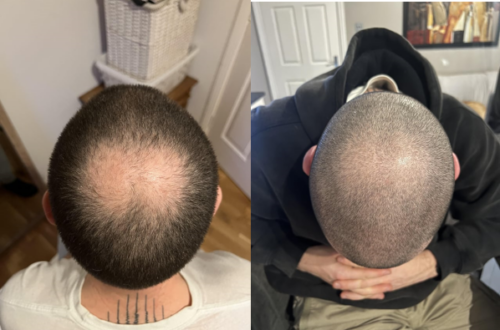
L-Methionine and hair loss is there a connection?
When it comes to combating hair loss, we often look for natural solutions that support the health of the hair from within. A supplement that has attracted attention here is L-Methionine.
Known for its essential role in protein synthesis and various metabolic processes, it is thought that L-Methionine offers potential benefits for hair growth and preventing hair loss.
Although scientific research on the specific effects of L-Methionine on hair loss is limited, the role in protein synthesis, antioxidant activity and sulphur metabolism suggests potential benefits to hair health.
As with any supplement, it is important to approach L-Methionine with realistic expectations.
In this blog we dive into the world of L-Methionine and explore the scientific research into its impact on hair loss. From the role in keratin production to the antioxidant properties, we will reveal the secrets behind L-Methionine and the possible effects on your precious lures.
The Role of L-Methionine in Hair Health
L-Methionine is an essential amino acid that serves as a building block for proteins in the body, including the protein keratin, which is an important part of the hair.
It is involved in various processes related to hair growth and maintenance, such as collagen synthesis and the production of antioxidants such as glutathione.
In addition, L-Methionine plays a crucial role in the formation of sulphurous compounds, which are necessary for healthy hair cructure and strength.
Scientific Research on L-Methionine and Hair loss
Although scientific research specifically focuses on the impact of L-Methionine on hair loss is limited, studies have investigated its role in supporting overall hair health.

A study published in the Journal of Cosmetic Dermatology found that a combination of L-Methionine and other nutrients improved hair thickness and reduced hair loss in women with thinning hair.
Another study in the Journal of Clinical and Aesthetic Dermatology indicated that L-Methionine supplementation can improve hair growth in people with hair loss.
Possible operating mechanisms
The effects of L-Methionine on hair health can be attributed to several factors.
Firstly, sulphur, which is essential for the formation of keratin, supplies the structural protein of the hair.
Secondly, L-Methionine serves as a precursor to the synthesis of glutathione, a powerful antioxidant that protects hair follicles from oxidative stress.
Finally, L-Methionine contributes to the production of collagen, a key component of the hair follicles, thus supporting their structure and function.
There are two types of methionine...
L-methionine, the naturally occurring form commonly used in supplements, and D-methionine. Both species have the same chemical composition, but their molecules are each other's reflections.
When combined with D-methionine, it is referred to as DL-methionine.
Although scientific evidence that supports the different applications of methionine is limited, here are some areas where potential benefits are relatively better supported:
- Protein synthesis: Methionine plays a crucial role in protein synthesis and helps to produce proteins needed for different body functions. It contributes to the formation of collagen, which supports the health of connective tissues such as skin, bones and joints.
- Antioxidant Activity: Methionine serves as a precursor to glutathione, a powerful antioxidant that protects cells from oxidative damage caused by free radicals. Glutathion is involved in numerous physiological processes and plays a vital role in maintaining overall health.
- Hepatic function: Methionine is involved in liver metabolism and is essential for the production of important compounds such as S-adenosylmethionine (SAMe). SAMe plays a role in various biochemical reactions in the body and is supposed to support liver health. It is important to note that the above applications are based on limited scientific evidence and that more research is needed to establish their effectiveness.
As with any supplement, it is advisable to consider prior to
methionine supplement to consult with a healthcare professional. They can provide personal advice based on your individual health needs and help to determine the correct dosage and duration of use.
L-Methionine in your hair care routine
If you are considering using L-Methionine to support your hair's health, it is important to consult a healthcare professional or dermatologist to determine the correct dosage and suitability for your specific needs. L-Methionine supplements are available, but you can also include L-Methionine-rich foods in your diet.
What foods do methionine contain?
Methionine is found in various foods, both of animal origin and plant. Here are some examples of foods that are good sources of methionine:

Food of animal origin
• Skinny meat like chicken, turkey, beef and pork.
• Fish and seafood, including salmon, tuna, cod, shrimp and scallops.
• Eggs, especially the protein.
Dairy products
• Milk, cheese, yoghurt and other dairy products contain methionine.
• Greek yogurt and cottage cheese are good options.
Pulses and beans:
• Soya beans, lentils, chickpeas, black beans and kidney beans are all excellent sources of methionine.
• Tofu and other soya products are also rich in methionine.
Nuts and seeds
• Almonds, walnuts, sesame seeds, sunflower seeds and pumpkin seeds contain methionine.
• Nuts such as almond paste or peanut butter are also good sources.
Whole grain
• Quinoa, brown rice, oatmeal and whole wheat products such as bread and pasta contain methionine.
Leaf vegetables
• Mandarins, broccoli, Brussels sprouts, asparagus and cauliflower contain methionine.
• Avocado, peas and corn are additional plant sources.
Conclusion
Although scientific research on the specific effects of L-Methionine on hair loss is limited, the role in protein synthesis, antioxidant activity and sulphur metabolism suggests potential benefits to hair health. As with any supplement, it is important to approach L-Methionine with realistic expectations and to seek advice from a healthcare provider for personal advice. Maintaining overall health, following a balanced diet and handling good hair care habits are essential to promote optimal hair growth and minimize hair loss.


You might like this too.

The best tips to prevent frizzy hair and help hair oils?
What's the best time to take Finasteride?