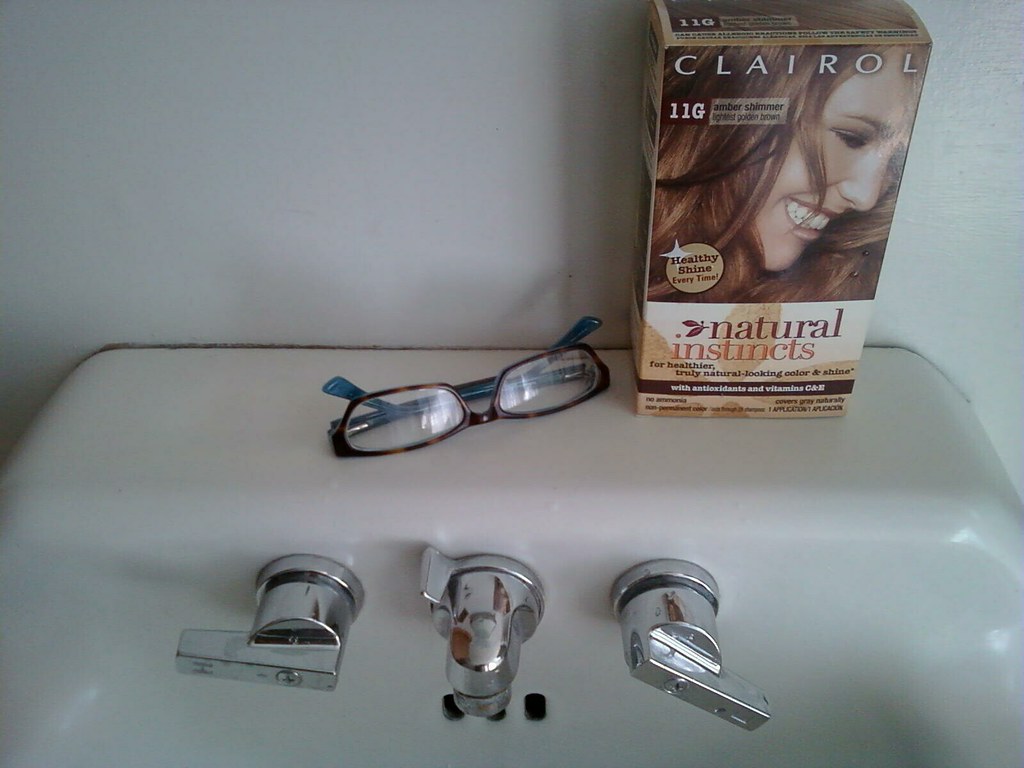
Is semi-permanent hair dye harmful to your hair?
Semi-permanent hair dye is a popular method for those who want to experiment with hair dye but do not want to commit to a permanent change. These hair colors are usually praised as "soft" and "not harmful," but is that really true? In this blog post we investigate the potential damage that semi-permanent hair dye can cause and what you need to know before you decide to use it.
What exactly is semi-permanent hair dye?
Semi-permanent hair dye is a type of hair dye designed to last several weeks or months depending on how often you wash your hair. It contains smaller color molecules than permanent hair dye, so it does not penetrate so deep into the hair shaft. This means that it gradually fades with each shampoo and can be washed out completely after a few weeks. Semi-permanent hair dye is usually used to make the natural hair color darker, brighter or prettier.

Is semi-permanent hair dye harmful?
Although semi-permanent hair dye is marketed as a soft and non-harmful option, it can still damage your hair and scalp. Here are some potential risks:
1. Allergic reactions Semi-permanent hair dye contains chemicals that may cause allergic reactions. These reactions may range from mild itching to severe blistering and swelling. To prevent allergic reactions, it is recommended to do a patch test before coloring your hair.
2. Dry and damaged hair Semi-permanent hair dye can cause dryness and damage to your hair. The chemicals in the dye can remove your hair from its natural oils, making it dry and fragile. This can cause split ends, fracture and hair loss.
3. Head irritation Semi-permanent hair dye can cause irritation of your scalp. The chemicals in the dye can cause redness, itching and burning. This could lead to inflammation, which could damage your hair follicles and lead to hair loss.
4. Health risks Some of the chemicals in semi-permanent hair dye have been associated with health risks such as cancer and reproductive problems. These risk derivatives are small, but it is important to be aware of them.
What does scientific research say about semi-permanent hair dye and its effect on her?
The scientific research into the safety of semi-permanent hair dye is mixed. While some studies suggest that certain ingredients in hair dye may be harmful, others indicate that the risk of harm is low.
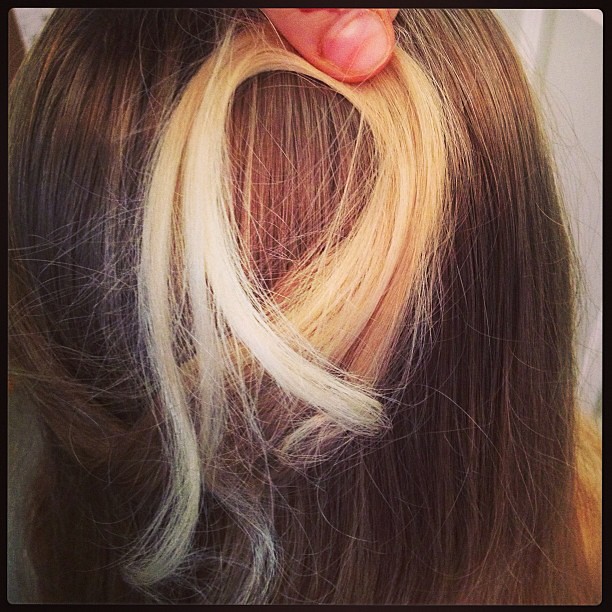
For example, a study published in the International Journal of Cancer showed that people who regularly used permanent hair dye had a slightly higher risk of developing bladder cancer than those who did not use hair dye. However, the study found no increased risk of cancer in semi-permanent hair dye.
Another study, published in the magazine Contact Dermatitis, showed that people with sensitive skin may allergic to the ingredients of hair dye, which can cause itching, redness and even blistering. However, the study noted that the risk of an allergic reaction is relatively low and affects only a small percentage of people using hair dye.
It is important to note that the long-term effects of hair dye use are still not fully known, and more research is needed to determine whether hair dye is related to certain health conditions.
In general, the use of semi-permanent hair dye may involve risk dressings, but the evidence indicates that the risk of injury is relatively low. As with any beauty product, it is important to read the label carefully and to follow the instructions to minimise any risk derivatives.
Tips for minimising the damage of semi-permanent hair dye
1. Choose a high quality product When choosing a semi-permanent hair dye, look for products that are free from harmful chemicals, such as ammonia, peroxide and PPD.
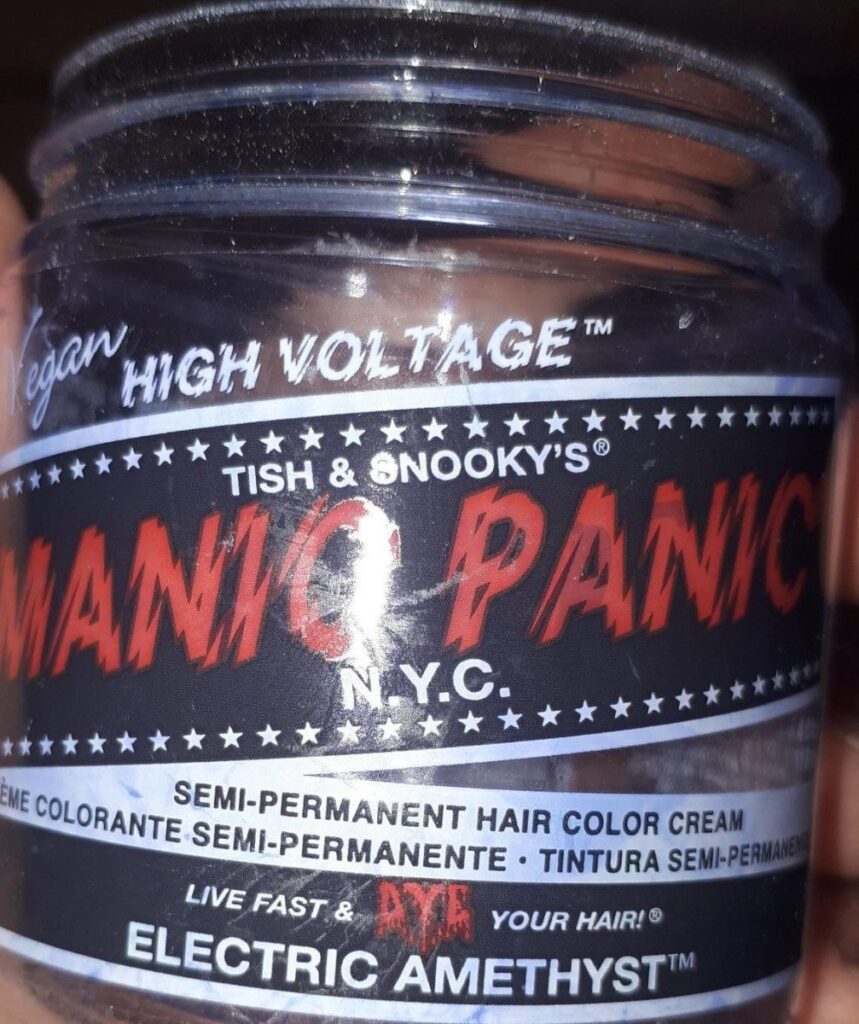
2. Do a patch test Before you color your hair, do a patch test to check for allergic reactions. Apply a small amount of the dye to your skin and wait 24 hours to see if irritation occurs.
3. Always follow the instructions carefully follow the instructions on the hair dye package. If you leave the dye too long, it could cause damage to your hair and scalp.
4. Take care of your hair After coloring your hair, use a soft shampoo and conditioner to restore moisture and prevent further damage. Also avoid using heated styling tools and aggressive hair products.
Other facts about Semi-permanent hair dye
In addition to the information mentioned above, it is important to know that some people are more sensitive to the negative effects of semipermanent hair dye than others. People with pre-existing allergies, skin disorders, or sensitivities may be more susceptible to experiencing negative reactions such as scalp irritation, hair fracture, or hair loss.
It is also worth noting that semi-permanent hair dye products are not regulated by the FDA, which means that there is no guarantee of their safety or effectiveness. Some products may contain aggressive chemicals such as ammonia, peroxide or sulphates, which may damage the hair and scalp over time.
If you choose to use semi-permanent hair dye products, it is important to follow the instructions carefully and perform a patch test before applying the product to your entire head. Moreover, it may be useful to look for natural or biological hair colours, which are usually softer to the hair and scalp.
Ultimately, the decision to use semi-permanent hair dye products is a personal one, and it is important to weigh the potential risk derivatives and benefits before making a decision. If you are concerned about the safety of semi-permanent hair dye, you should speak to a dermatologist or hair care professional for further guidance.
Conclusion
Semi-permanent hair dye may be a nice way to experiment with your hair color, but it's important to be aware of the potential risks. Although it may not be as harmful as permanent hair dye, it may still harm your hair and scalp if not used correctly. If you decide to use a semi-permanent hair dye, choose a high quality product, do a patch test, follow the instructions, and take care of your hair.


You might like this too.

Can Nutrafol products replace other Hair loss Treatments?

The Ultimate Hair Boost Guide: Scientific Proven Methods For 2x Faster Hair Growth