How many hairs do you lose on average if you go bald?
Hair loss is a general problem for many people. It can be caused by various factors including genetics, hormonal changes and medical conditions. Understanding what is considered normal hair loss and when hair loss can be a sign of a greater problem is important for maintaining the health and appearance of your hair.
The average person loses between 50-100 hairs per day. However, if you notice that you are losing more than this, or if you notice that your hair is getting thinner or spotty, there may be hair loss.
In this article, I deal very generally with the most important questions like: What is male baldness? Possible causes and treatment options and much more!
When is your hair loss normal and when do you become bald?
Don't be alarmed if you find more hair in your brush than usual, that's perfectly normal! In fact, the average person loses 50-100 hairs per day. So don't be surprised if every time you go through your hair with your fingers you see a little hair fall.
It's all part of the natural hair growth cycle. So don't worry and keep rocking with your beautiful hair!

The normal range of hair loss per day is therefore about 50-100 hair. This is considered part of the normal hair growth cycle, and it's nothing to worry about. The hair growth cycle is divided into three phases: the anagenic phase (growth phase), the catagenic phase (transition phase) and the telogue phase (rust phase). On average, about 90% of the hair on your head is in the anagenic phase, while the remaining 10% is in the tealous phase. During the tealous phase, hair falls out naturally, and it is considered normal to lose 50-100 hairs per day. In this article I go deeper into the different hair growth phases.
However, if you notice that you are losing more than that, or if you notice that your hair is becoming thinner or spotty, this may be a sign of hair loss and it is best to consult a doctor. This can determine the cause of your hair loss and recommend an appropriate treatment plan.
One of the most common causes of hair loss is a condition called Androgene Alopecia, also known as male or female baldness. This form of hair loss is caused by a combination of genetic and hormonal factors. Men are more likely to develop this condition, but women can also suffer from it.
What is Androgenic Alopecia?
The most common cause of hair loss is a condition called Androgenic Alopecia, also known as male or female baldness. This form of hair loss is caused by a combination of genetic and hormonal factors. Men are more likely to develop this condition, but women can also suffer from it.

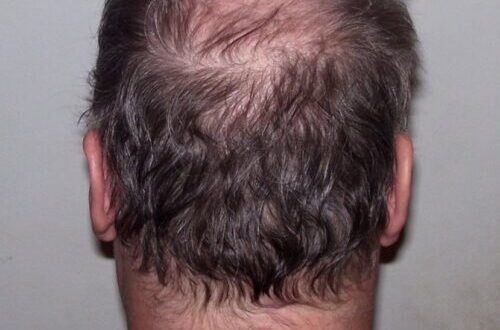
Androgenic alopecia usually presents itself as a receding hairline in men and as thinning hair on the crown of the head in women. The condition is caused by a sensitivity to the hormone dihydrotestosterone (DHT), causing the hair follicles to shrink and eventually to stop producing new hair.
This type of hair loss usually occurs via a certain pattern. I have explained that pattern that is perfectly represented by the norwood scale here.
Other possible causes of hair loss are::
I have devoted an entire article to the rarer verses of hair loss, which rarely occur. Below, however, you see hair loss possibilities that are usually temporary instead of permanent.
Stress: Physical or emotional stress can cause hair loss, although it is usually temporary.
Hormonal changes: Pregnancy, menopause and other hormonal changes can cause hair loss.
. Medicines: Certain medicines, such as blood thinners, contraceptive pills and antidepressants, can cause hair loss as a side effect.
Food shortages: A lack of certain nutrients, such as iron or protein, can cause hair loss.
Medical disorders: Certain medical conditions, such as thyroid disorders and autoimmune disorders, can cause hair loss.
Treatment options for alopecia androgenica
The most important thing in dealing with male baldness is that you get there early. In this article I go into more detail. I always propose to buy a haircatcher to see How many hairs you lose in a shower.
Ketoconazole shampoo, these shampoos have an effect on the DHT that has built up in your scalp, which in my opinion is the best treatment to begin with.
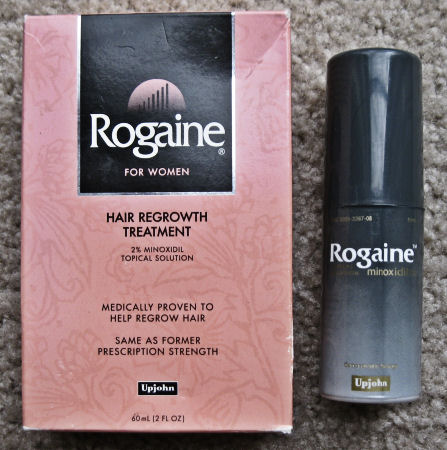
• Minoxidil or Rogaine: This is a topical solution applied to the scalp twice a day. It would increase the blood flow to the hair follicles, which could stimulate hair growth.
_ This is a pill taken orally once a day. It blocks the production of DHT, which can help slow down or stop hair loss.
Dutasteride: This has the same effect as Finasteride
Hair transplantation: A hair transplant is a surgical procedure in which hair follicles are taken from part of the scalp and transplanted to a bald or thinning part.
Other treatments include laser therapy, micropigmentation of the scalp and nutritional supplements.
I've investigated various natural oils and agents in their effectiveness against hair loss.

Are you curious if products you may already have at home work against hair loss click on one of the links below.
Does pumpkin pit oil help as a natural remedy to hair loss?
Does Saw palmetto help with hair loss?
Does Sesame oil work as a natural alternative to hair loss?
Does rosemary oil work as a cure for hair loss?
Does peppermint oil help to prevent hair loss?
Does castor oil work as a remedy against hair loss?
Does Ginger help as a natural alternative to hair loss?
Does zinc help to prevent hair loss?
Why copper peptides can help with hair loss?
Does Coconut Oil help to prevent hair loss?
Collagen against hair loss? What's the point?
Magnesium for hair growth . . .
What lifestyle changes can help with hair loss?
There are several lifestyle changes that can help to improve your hair health and possibly slow down or even reverse hair loss. Some of them are:
. Eating a healthy and balanced diet: A diet rich in nutrients, such as iron, proteins and vitamins A and C, can help to promote hair growth and overall hair health.
Foods that contain many of these nutrients are lean meat, fish, eggs, leafy vegetables and fruit. I have written an article about the best foods against hair loss you are interested in here read more here.
. Reduce stress: Stress can cause hair loss, so it's important to find ways to control stress in your life. This can include exercise, yoga, meditation and other relaxation techniques.
. Avoiding certain hairstyles: Hairstyles that put a lot of tension on the hair, such as tight ponytails, braids and cornrows, can cause hair loss.
It is best to avoid these hairstyles or to only wear them occasionally. I wrote an article about wearing hats and musts and the effect on hair loss you are interested in here read more here.
Stop smoking: Smoking is associated with hair loss and can also dry out the hair and scalp. Stop smoking can improve the general health of your hair and scalp. I wrote an article about smoking and the effect on hair loss you are interested in here read more here.

Avoid excessive use of hair styling products: Products like hair dye, relaxers and styling tools can damage the hair and cause hair loss. If you use these products with moderation, you may reduce the risk of hair loss.
. Reduce with heat styling: Hittestyling such as steep tongs and hair dryers can damage the hair, leading to hair loss. Try to limit the use of heat styling devices and use heat protectors.
. Sufficient sleep: Sleep plays an important role in maintaining general health and the health of the hair is no exception, lack of sleep can cause hair loss. Try to get at least 7-8 hours of sleep a night.
It is important to note that although these lifestyle changes may help to improve the health of your hair, they may not be effective in reversing hair loss caused by certain medical conditions or genetic factors.
Conclusion
It is important to keep in mind that hair loss may be a symptom of other underlying health problems and it is always best to consult a doctor to understand the main cause of hair loss and to receive appropriate treatment.
In short, losing 50-100 hairs per day is considered normal and is part of the hair growth cycle. However, if you notice excessive hair loss or thinning hair, it is important to consult a doctor to determine the cause and to find an appropriate treatment plan.
Androgenic alopecia is one of the most common causes of hair loss, but there are also other possible causes such as stress, hormonal changes, medications and medical conditions. With the right treatment and lifestyle changes it is possible to improve the health of your hair and regain confidence in your appearance.
It is also important to know that hair loss can be a sensitive and emotional issue for many people. It can affect self-esteem and self-esteem and it can be difficult to deal with it. However, it is important to remember that hair loss is a common problem and that there are many effective treatment options.
Besides medical treatment there are also changes in lifestyle that can help improve the health of your hair. A healthy diet rich in nutrients, such as iron and proteins, can stimulate hair growth. Regular exercise and stress management techniques can also help to improve the general health of your hair.


You might like this too.

Isn't washing your hair really good to prevent hair loss?
Why do most men go bald and women don't?