

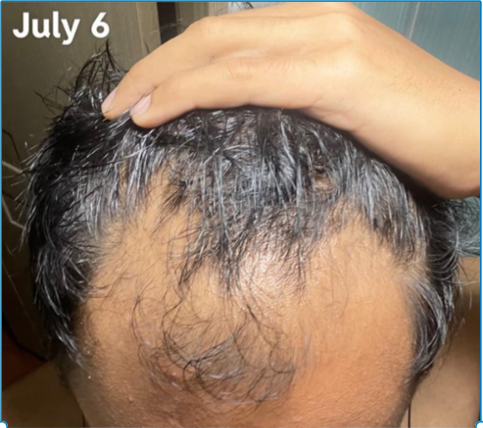
Een Ongeëvenaarde Haartransformatie door Finasteride, Minoxidil en Microneedling
Hair loss can be a challenging journey, which affects not only the appearance, but also self-confidence. Research has shown that women generally prefer men with full hair to men who are bald.
With this in mind, our goal is to motivate, inspire and inform and boost the confidence of men.
While hair transplantation operations offer a solution there is a less explored path, where you do not have to be under the knife. Filled with determination, science-based methods and renewed hope.
In the hair transformation series we present you to individuals who have chosen an alternative approach to combat hair loss.
They use the power by combining proven methods such as minoxidil, , finasteride, dutasteride, ketoconazole shampoo and microneedling and refute the idea that hair loss is an irreversible journey. These are stories of conservation and potential recovery.
By sharing these experiences and insights, we aim to enable you to explore the possibilities on your way to healthier, fuller and more resilient hair. The battle against hair loss is far from over, and this series is your source of inspiration.
Out of respect for the privacy of the owners of the photos, we have chosen to keep them anonymous and have received permission to use them along with their own story.
For many people hair loss can be a disturbing and challenging experience. While several factors, including genetics, play a role in hair loss, there are numerous approaches to address this and achieve significant hair transformations.
In this blog we will look into this hair transformation to gather insights from his experiences, while also providing information about the treatments he uses.
The Start of the Journey
Like many who have to do with hair loss, he began this journey with determination. Their journey began when they noticed hair loss at the end of 2021, which accelerated earlier this year. This realization motivated them to seek treatments that could help them get their hair back.
Treatment Options
Finasteride (Propecia): He decided to include oral finasteride in their treatment regimen. This medication is known to block the hormone dihydrotestosterone (DHT), which is associated with hair loss. They chose a unique 1 mg dose approach every other day (3 mg per week) instead of the more usual daily dose.
Remarkably, he did not experience significant side effects, making this approach a feasible option for others who are concerned about possible side effects.
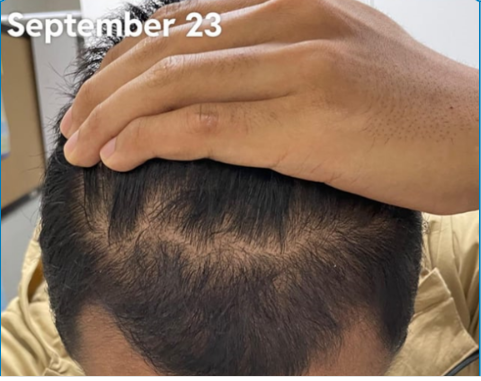
Minoxidil: To supplement their treatment, he has integrated topical minoxidil, a well-known freely available drug that promotes hair growth by improving blood flow to hair follicles. He applied it daily, along with finasteride.
Microneedling: A less known but effective treatment, microneedling includes using a dermaroller or dermastamp with fine needles to stimulate the scalp. He chose a needle length of 1.5 mm and performed microneedling once every one to two weeks. This technique can improve the absorption of minoxidil and promote hair growth.
Lifestyle and Physical Activity
The user did not rely exclusively on medicines and treatments. They maintained an active lifestyle, including weight training two to three times a week, cycling for 5-6 hours a week and weekly 40-50 kilometers running. In addition, they supplemented their diet with protein shakes, multivitamins and joint support.
Progress in Hair Transformation
The journey to haa refund was characterised by several significant developments:
Starting hair loss: He noted an initial period of hair loss during the first two to three weeks of treatment. Hair loss can be alarming, but often indicates the transition from old, weak hair to new, stronger hair.
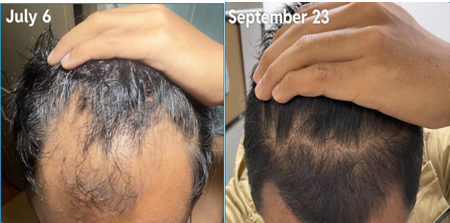
Regrowth and decreased hair loss: After approximately one month of treatment, he began to observe a decrease in hair loss and regrowth around the 2.5-month mark.
Physical Activity: Their active lifestyle, including weight training and endurance sports, did not appear to have any adverse effects on the effectiveness of hair restoration treatments.
Minimum Adverse Reactions: Perhaps one of the most encouraging aspects of this journey is that the user experienced minimal to no side effects of the treatments, both mentally and sexually.
Boost in Self-confidence: Although he may not look like the typical East Asian person, this journey has undoubtedly increased his self-confidence, showing that hair recovery treatments can be successful for individuals of different ethnic backgrounds.
What else could this person add for better results?
The answer is Ketoconazole.
Ketoconazole is an antifungal medicine that has been shown to have some anti-androgenic properties, which can help with hair loss. It is often used as an additional treatment. If you choose to add ketoconazole shampoo, here is a proposed approach:
You can use it a few times a week to replace your regular shampoo. It is essential to follow the instructions on the shampoofles and not to use it too much, as ketoconazole can irritate the scalp if it is used too much.
In general, your current treatment routine seems well balanced. However, it is important to monitor your progress, to be patient and to be aware of any side effects of these treatments.
If you are ever concerned or experience side effects, consult a dermatologist or healthcare provider. Also consider discussing your treatment regimen with a medical professional to get personalized advice based on your specific hair loss pattern and medical history. They can offer more tailored guidance to optimize your treatment.
Remember that results from these treatments may take time and may not work for everyone. Consistency is essential, so keep your routine going and I hope you keep improving her!
Conclusion
This hair transformation is proof of the strength of perseverance and a versatile approach to hair recovery. Their combination of finasteride, minoxidil and microneedling, coupled with an active lifestyle, has produced positive results in a short period of time.
It is important to note that everyone's response to hair loss treatments may vary, and what works for one may not work for the other. Moreover, consulting a medical professional before starting a hair recovery regimen is crucial to ensure that the chosen treatments are suitable for individual needs and medical history.
If you are dealing with hair loss and considering a transformation journey, the story of this user can serve as a source of inspiration. Ultimately, the key to exploring different options is to consult with a medical expert and remain committed to your chosen regime. With perseverance and a little patience you can also walk your own path to hair recovery.


You might like this too.

Does taking too much protein powder cause hair loss?

Discover the Links between Sunscreen and Hair loss: Everything you need to know!


