

The Truth about Female Hair Disappearance: Causes, Recognition & Solutions 🔍
Have you seen more hair in your brush lately than your sweetheart is? You're not alone.
Female hair loss is a sneaking problem affecting millions of women. But here's the thing: Most people don't talk about it.
Let's change that today.
In this blog we dive into everything you need to know from early signals to proven solutions. No medical jargon. No false promises. Only practical information that can change your life.
Ready? Let's get started.
This video explains the causes and solutions for hair loss in women.
Causes of hair loss Women: More Than You Think
Female hair loss is more complex than men's. What's that in?
The cause of hair loss in women is not fully understood and is influenced by various factors, including genetics and hormonal levels.
Let's look at the most important culprits:
Genetische Factoren
Do you think hereditary hair loss affects only men? Think again.
Female baldness is believed to be caused by a combination of genetic and hormonal factors. The female version of the androgen receptor gene has been associated with an increased risk of developing female baldness.
The difference? In men, you see that characteristic pattern from the hairline. In women it is more subtle:
Unlike men, who typically lose hair in a predictable pattern, women usually experience hair loss over a larger area on the top of their head, but still retain their hairline.
Hair loss Women Hormones: The Silent Influencers
HARVELIES MYTH BUSERS
Discover the truth behind the 5 most persistent myths about hair loss 🔍
Look at both sides of your family to determine your own risk. If hair loss occurs with your father and mother's family, consider proactive treatments more quickly.
Feel free to wear your favorite hat without worries! Just make sure it doesn't pull on your hair all the time. Change your head cover for optimal scalp health.
Keep exercising! The health benefits outweigh possible minimal effects on your hair loss. Avoid anabolic supplements only if you are already genetically susceptible to baldness.
Focus on scalp health instead of cutting frequency. Regular cutting is good for hair quality, but will not make hair thinner.
Consider treatments as long-term investment. Choose options that match your consistency and budget. Single procedures can fit better if you do not want a daily routine.
- Finasteride (1mg) Remt DHT, effective in 85% of men
- Minoxidil 5% hampered hair growth in 60-80% of users
- Ketoconazole shampoo Anti-inflammatory effect, synergistic with other treatments
- Low-level laser therapy FDA-approved treatment, effective in early stages
- Hair transplantation Permanent solution with 90-95% success rate
Your hormones are like the conductors of your body. When they're out of balance? Your hair hurts.
Changes in androgen levels, especially as women age and menopause approaches, can also contribute to hair loss.
But that's not all.
Hormonal changes, such as during pregnancy or after delivery, may affect hair growth and lead to temporary hair loss.
Hair loss Women's disease: When Your Body Against You
Sometimes hair loss is a symptom of an underlying problem. Do you recognize these?
Medical conditions, such as polycystic ovarian syndrome (PCOS) or thyroid disorders, can also cause hair loss in women.
Let's go into more detail about PCOS, a frequently underdiagnosed condition:
Polycystic ovarian syndrome (PCOS) is a hormonal disorder that affects many women and can lead to hair loss. Women with PCOS often have too many androgens, male hormones that are also present in women, which can cause all kinds of symptoms such as irregular menstrual periods, insulin resistance and acne.
HAAR VERLIES CONFIDENCE BOOSTER
Discover your personal strategy for maximum self-confidence in 60 seconds 💪
You're a warrior who doesn't avoid direct confrontation with hair loss. Your preference for honesty and acceptance is your greatest strength.
As a confident Warrior, you can embrace your hair loss as a symbol of strength. Make it part of your identity and look:
- Go for the complete buzz cut or bald . This immediately radiates self-confidence and shows you got nothing to hide
- Invest in a qualitative climax . For consistent, perfect results
- Take care of your beard A well-kept beard creates balance
- Wear striking accessories . Think of a statement watch or necklace
- Choose contrasting clothing styles . For example, a tight suit with tough boots
You see her loss as an opportunity to renew you. You are creative in finding solutions and have a flexible approach to your image.
As a Stylish Transformer, you can use hair loss as a catalyst for personal growth and style development:
- Experiment with different looks . Try multiple hairstyles with the hair you have
- Upgrade your wardrobe style . Invest in clothes that distract attention from your hair
- Master . Learn what colors light up your face
- Accessorize strategic . Use glasses, watches or chains as Focal Points
- Develop a signature style . Get known for a specific style element
You strive for acceptance and inner peace. You are pragmatic and prefer simplicity to complexity in your approach to hair loss.
As a Kalme Minimalist you can find inner peace by loosening yourself from cultural expectations around her:
- Minimize your hair routine . Less products, less stress
- Capsule wardrobe . Develop a simple but stylish wardrobe
- Comfort above all . Choose garments that feel good, not just good
- Reduce mirror moment . Carefully limit your time in front of the mirror
- Digital detox . Reduce exposure to unrealistic images on social media
The nasty thing about PCOS and hair loss:
Androgens can also disrupt the normal hair growth cycle, making the hair thinner and out. Women with PCOS may experience hair loss on the scalp, as well as an increase in facial and body hair.
Other medical conditions that may cause hair loss include:
- Autoimmune disorders such as alopecia areata
- Iron deficiency and anaemia
- Thyroid disorders (both hypothyroidism and hyperthyroidism)
- Lupus
- Chronic stress leading to teal effluvium
Sudden Hair loss Women: When You Should Be Alarm
Wake up with picking hair on your pillow? Or do you suddenly see bald spots? This is sudden hair loss and deserves immediate attention.
Possible causes of sudden hair loss are:
Extreme Physical Stress
Surgery, severe illness or high fever can interfere with your hair growth cycle. Your hair goes into the rest phase and falls out massively after 2-3 months. This is called teologists effluvium.
Emotional Trauma
A divorce, a loss of a loved one or a burnout can literally make your hair fall out. Your body responds to stress by redistributing resources and your hair is not at the top of the priority list.
Medication
Certain medicines including blood thinners, beta blockers, antidepressants and chemotherapy may cause hair loss. Always check the side effects and discuss alternatives with your doctor.
Food shortages
Crash diets or stomach reduction? Watch this. A sudden deficiency of proteins, iron, zinc or vitamins can lead to hair loss within weeks to months.
Hair loss Women Forehead: A Specific Problem
Is there a retreating hairline or inlets? You're not the only one.
Although women usually experience diffuse hair loss across the scalp, traction alopecia (due to too tight hairstyles) or frontal fibrosing alopecia can specifically affect the hairline.
Inlets Back Let Growing
Good news: during timely treatment, coves can often be filled again. Try this approach:
- Stop with tight hairstyles . Avoid ponytails, braids and extensions pulling your hairline
- Topical treatment . Minoxidil 2% is clinically proven effective for the hairline
- Food supplements . Biotin, collagen and omega-3 may enhance the hair follicles
- Microneedling . This treatment stimulates collagen and blood circulation around the hairline
Best Medium Against Hair loss Women: What Does Really Work?
Let's be honest. There is no magic solution. But there are proven methods that can really help:

Medical Treatments
De behandeling van de onderliggende hormonale onbalans bij PCOS kan helpen om de symptomen, waaronder haaruitval, te verminderen. Dit kan veranderingen in levensstijl inhouden, zoals afvallen, meer lichaamsbeweging en een beter dieet, maar ook medicatie om de hormonen te reguleren.
In some cases, women with PCOS can also benefit from hair loss treatments such as 2% minoxidil or low-level laser therapy, which can stimulate hair growth and prevent further hair loss.
Besides minoxidil, these treatments may be effective:
- Anti-androgenic medication . Like spironolactone, which blocks testosterone
- PRP Therapy . Injections with platelet rich plasma stimulate hair growth
- Hair transplantation . For permanent results in advanced hair loss
Natural Solutions
For those who prefer a natural approach:
- Essential oils . Rosemary, lavender and tea tree oil stimulate blood circulation in the scalp
- Caffeine . Locally applied extended hair growth phase
- Massage techniques . Stimulate blood circulation and nutrient intake
Lifestyle Changes
Don't underestimate this! Often the most effective long-term solution:
- Stress management . Meditation, yoga or mindfulness may decrease cortisol
- Food . Protein-rich diet with vitamins (A, C, D, E), minerals (iron, zinc) and omega-3
- Hydratatie . Drinking sufficient water keeps your hair hydrated from the root
What To Do With Thinner Becoming Hair With Women?
Thinner hair is often the first sign of female baldness. Do you recognize these signals?
- Your ponytail feels thinner
- You see more scalp through your hair
- Your hair is easier to break
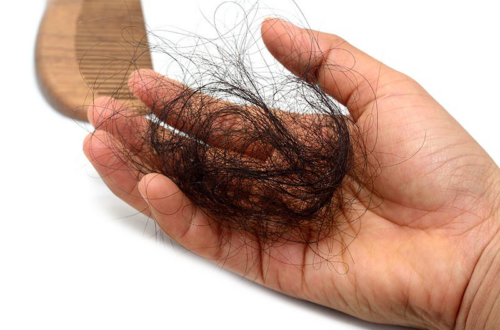
- You will find more hair in your brush or shower well
Take immediate action with these steps:
- Consult at a dermatologist . Have blood tests for hormones, thyroid, iron and vitamin D
- Choose the right hair products . Sulphate-free shampoo, hydrant products without alcohol
- Custom hair styling . Shorter hairstyles, layers, and texture create the illusion of fuller hair
- Protect your hair . Reduce heat styling, UV exposure and chemical treatments
What Age Does The Most Hair Loss In Women?
Hair loss can affect women at any age, but certain stages of life involve higher risks:
Estrogen has a protective effect on the hair, and its levels fall as a woman gets older and reaches menopause, which can contribute to hair loss.
The peak moments for female hair loss are:
- Postpartum period 6 months after delivery due to hormone fluctuations
- Perimenopause/menopausal . Usually between 45-55 years due to decreasing oestrogen levels
- After 60 years . Combining hormonal changes, medication use and decreased hair growth
How do you notice your baldness becoming a woman?
Female baldness often creeps in. Note these signals:
- Extended midline separation . One of the first subtle signs
- Diffuse dilution . Especially visible on the crown and top
- Reduced pony thickness . Your pony gets thinner and lighter
- Volume loss . You need more styling products for the same effect
- Changed hair texture . Your hair gets finer and more fragile
Be alert to photos of yourself from a few years ago often the change on them is more visible than in the mirror.
How many percent of the women is bald?
The exact percentage varies by age group and definition of baldness, but:
- About 40% of women experience visible hair loss before their 40th
- At the age of 50, more than 50% of women have some form of androgenic alopecia
- In women over 65, this rate rises to 75%.
These figures show: you are absolutely not alone. Female hair loss is not rare, but too often concealed.
The Psychological Impact of Hair Loss In Women
Let us consider something that is not discussed sufficiently: the emotional toll of hair loss.
For many women, she is closely linked to identity, self-confidence and sense of femininity. Hair loss may lead to:
- Reduced confidence
- Social isolation
- Depression
- Impaired body image
Acknowledge these feelings. They're valid. But also know: there are solutions and communities of women who go through the same.
Conclusion: A Personal Approach
It is important for women to seek medical advice with hair loss, because early treatment can be more effective.
Female hair loss is complex, personal and often emotionally charged. But know this:
- You're not alone.
- There are effective treatments
- Early intervention gives the best results
Start today with minor changes, whether it's a doctor's appointment, a new shampoo, or just talking about your concerns with a trusted person.
Your hair loss is unique. But you don't have to walk him alone.
Share your experiences in the comments. Do you have a question? Let me know, I'll respond personally.
Disclaimer: This article is for information purposes only and does not replace medical advice. Always consult a care professional for personal advice on hair loss.






3 reactions
Pingback:
Pingback:
Pingback: